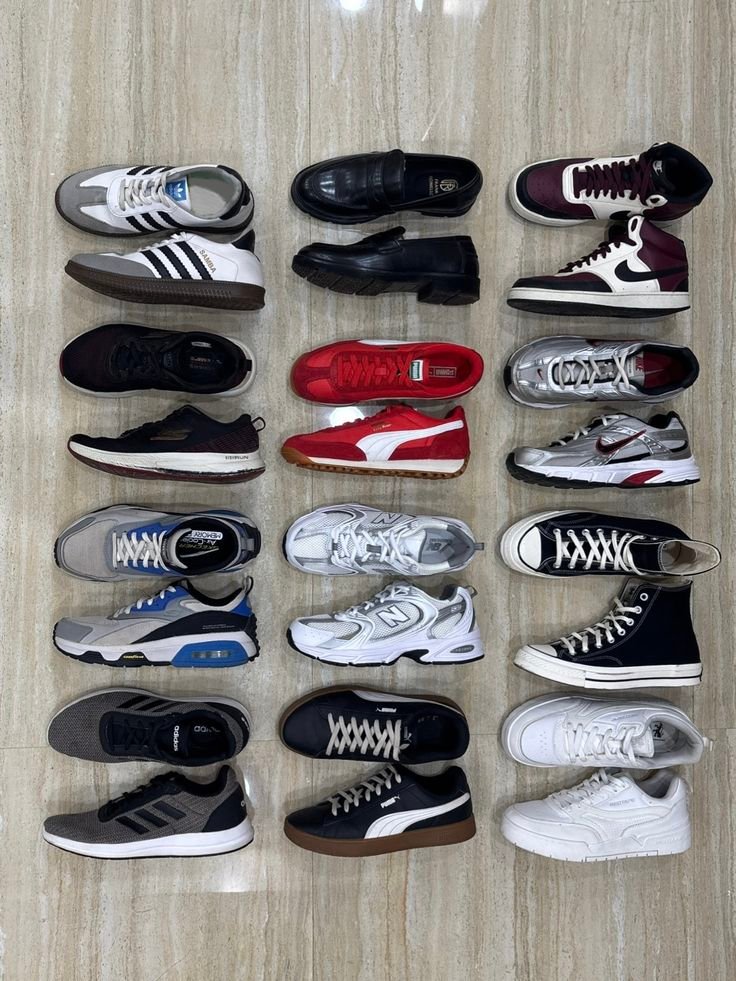
Is It Safe to Buy Secondhand Shoes Online? Guide
Is It Safe to Buy Secondhand Shoes Online? Guide
Secondhand shoes are the final frontier of thrifting — plenty of people happily buy used jackets but balk at used footwear. The hesitation is understandable: shoes mold to feet, harbor who-knows-what, and can’t be tossed in the washing machine like a shirt.
But the deals are undeniable — barely-worn $200 shoes for $30 — and with the right precautions, used shoes are perfectly safe. I’ve bought secondhand shoes for years. Here’s the complete safety playbook.
The Hygiene Question, Answered Honestly
Let’s address it directly: used shoes can harbor bacteria and fungi — athlete’s foot, in particular, survives in warm shoe environments. But this is a manageable risk, not a dealbreaker. The pathogens in question live on surfaces and die with proper disinfection; they don’t permanently infest quality footwear. Podiatrists’ actual guidance: disinfect thoroughly, and the risk drops to negligible.
The real hygiene factors: how worn they are (heavily worn = more bacterial load and molded insoles), the material (leather and canvas disinfect well; foam and fabric absorb more), and whether you’ll replace the insoles (removable insoles should be replaced or deeply disinfected — they’re the highest-contact surface).
Who should be cautious: people with diabetes (foot infections carry higher stakes — consult your doctor), those with active foot fungus (don’t add fuel), and anyone immunocompromised. For everyone else, proper sanitizing makes secondhand shoes as safe as bowling-alley rentals — which, let’s be honest, are far grosser and nobody thinks twice.
Is It Safe to Buy Secondhand Shoes Online? What to Check Before Buying
Photos tell the story — demand clear shots of: the soles (wear pattern reveals gait issues; heavily uneven wear means the shoe molded to someone else’s problems), the insoles (pull them out in photos if possible; dark staining or crumbling = pass), the interior lining (tears or heavy staining = pass), and the heels (worn-down heel counters won’t support your foot).
The wear-pattern rule is the big one: shoes conform to the previous owner’s feet and gait. Lightly worn (tread mostly intact, minimal creasing) is ideal — the shoe hasn’t fully molded yet. Heavily worn shoes with collapsed structure or uneven soles will fight your feet and can cause pain; no discount is worth that. ‘Worn twice to a wedding’ is the dream listing.
Ask sellers direct questions: reason for selling, approximate wears, any odor or damage not visible, and whether they come from a smoke-free home. Check seller ratings and return policies — platforms like eBay and Poshmark side with buyers on ‘not as described.’ For authentication on designer pairs, use the platform’s service or a third-party authenticator; fake ‘secondhand designer’ listings are rampant.
How to Sanitize Secondhand Shoes Properly
The protocol: first, remove insoles and laces (wash laces separately or replace — they’re cheap). Brush off all loose dirt inside and out. Then disinfect: antifungal/antibacterial spray (Lysol or dedicated shoe sprays) saturating the interior, or a diluted white vinegar wipe for leather interiors. Let them dry completely — 24–48 hours, stuffed with newspaper in a ventilated spot. Moisture is the enemy; never store damp.
For odor: baking soda inside overnight (shake out thoroughly), or activated charcoal inserts for a few days. Freezing is a myth for odor (it pauses bacteria; they resume at room temp) — skip it. UV shoe sanitizers ($30–$50) work well for the cautious; hospitals use UV for a reason. Replace the insoles with new ones ($10–$20) — this single step eliminates the highest-contact surface entirely.
Leather shoes get conditioning after disinfecting (the cleaning dries leather); canvas and knit can often handle a gentle machine wash in a laundry bag, air-dried. Suede needs a suede-specific cleaner. When done right, sanitized secondhand shoes are microbiologically unremarkable — lab studies on disinfected used footwear back this up.
Which Used Shoes to Buy (and Which to Skip)
Best bets: dress shoes and boots (structured leather, lightly worn, resoleable — the thrift sweet spot; quality leather shoes are built for decades and multiple owners), designer heels worn once for events, and quality sneakers with minimal wear. Leather’s durability and disinfectability make it the ideal secondhand material.
Good with caution: running shoes (only if very lightly used — midsoles compress with miles and don’t rebound; over 100 miles of previous use means diminished cushioning), and suede (harder to sanitize deeply, shows wear fast).
Never buy used: heavily worn athletic shoes (dead cushioning injures), shoes with visibly uneven wear patterns (molded to someone else’s gait abnormalities), anything with persistent odor after airing (bacterial colonization too deep), damaged structure (collapsed heel counters, torn linings), and worn-out insoles you can’t replace. The deal isn’t a deal if the shoe hurts you. For evaluating quality in any shoe purchase, see our guide to ThredUp online thrift store.
Breaking In Used Shoes Comfortably
Used shoes are pre-broken-in — that’s the advantage — but they’re broken in to someone else’s feet. The adaptation period: wear them for short outings first (2–3 hours), with the socks you’ll actually wear, before committing to a full day. Leather molds to new feet within a few wears; the previous owner’s pattern fades as yours forms. If they were lightly worn (the ideal buy), adaptation is quick.
Trouble spots and fixes: tight toe box — a shoe stretcher ($15) or a cobbler’s stretching service ($10–$20) works wonders on leather; heel slip — heel grips or thicker socks; pressure points — identify them early on short wears, not during a 10-hour day. Moleskin on hot spots prevents blisters during the transition. Never ‘push through’ real pain — discomfort adapts, pain doesn’t.
The insole factor: new insoles (which you installed during sanitizing) change the fit slightly — usually for the better, adding cushioning the worn originals lacked. Give the full system — new insoles, your socks, your feet — a week of short wears to settle. After that, properly chosen secondhand shoes feel like yours entirely. The previous owner becomes ancient history your feet never knew.
The Takeaway
Yes — with disinfection and smart selection, secondhand shoes are safe. Buy lightly worn, check wear patterns ruthlessly, sanitize thoroughly, replace insoles.
Best value: quality leather dress shoes and boots. Skip: heavily worn athletic shoes and anything with structural damage. Your feet can’t tell the difference between new and properly revived.