What to Eat (and Drink) After a Heavy Meal for Digestion
What to Eat (and Drink) After a Heavy Meal for Digestion
Thanksgiving dinner, the all-you-can-eat sushi outing, your grandmother’s cooking — we’ve all been there, belt loosened, regretting the third helping. The good news: your digestive system is built for exactly this. It just appreciates a little help.
I’m not talking about sketchy ‘detox’ teas or miracle enzymes. These are simple, traditional foods and habits that genuinely ease the post-feast discomfort — plus the ones to avoid when your stomach is already staging a protest.
Drinks That Actually Help
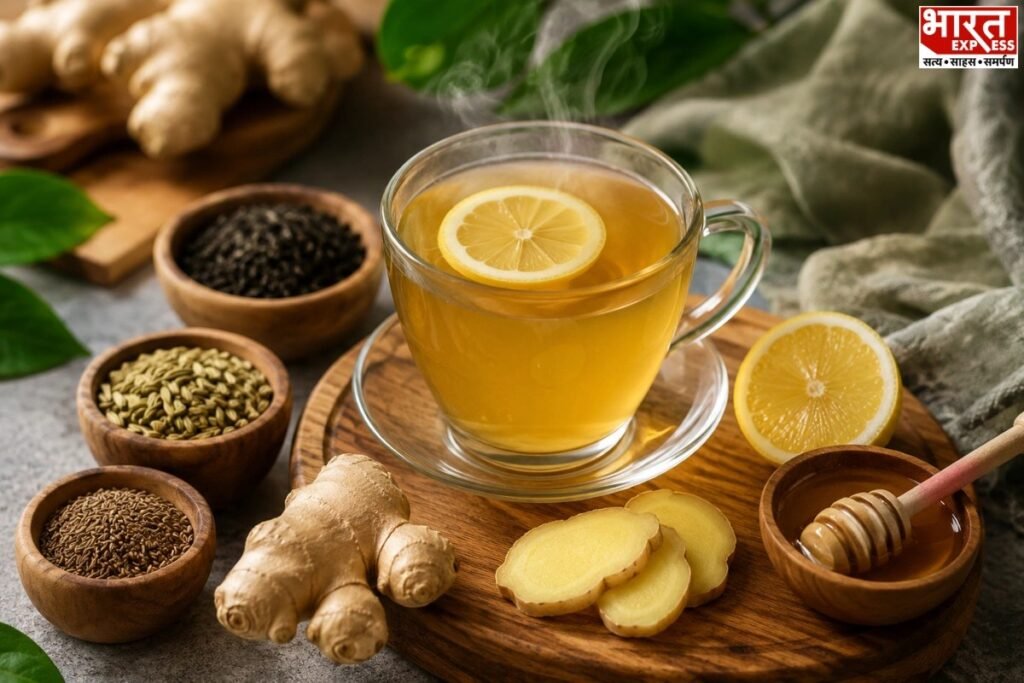
Start with the simplest: warm water or herbal tea. Warmth itself seems to soothe — ginger tea is the star here, with real evidence for speeding stomach emptying and calming nausea. Peppermint tea relaxes digestive tract muscles (skip it if you have acid reflux, though — it can worsen heartburn by relaxing the esophageal sphincter). Fennel tea is the traditional after-dinner digestive across the Mediterranean and South Asia for good reason.
What about the old ‘digestif’ — the after-dinner drink? Bitters-based liqueurs genuinely stimulate digestive juices; that’s their historical purpose. But alcohol overall slows digestion and adds calories to an already-heavy situation, so consider it optional tradition rather than therapy. Coffee after a big meal is a mixed bag: it can stimulate digestion but worsen reflux — know your own stomach.
Avoid: more food disguised as drinks (milkshakes, eggnog — dairy plus fat on top of a heavy meal is asking for trouble), carbonated sodas (the bubbles add gas to existing bloat), and ice-cold water in large volumes, which some people find uncomfortable when overfull. Room-temperature sips win.
What Foods Help With Digestion After a Heavy Meal?
If you want to eat something (counterintuitive but sometimes right), reach for the light, the warm, and the slightly bitter. A small bowl of broth-based soup — miso, clear vegetable broth — is gentle, hydrating, and easy to process. Plain yogurt or kefir with live cultures gives your gut beneficial bacteria alongside an easy-to-digest protein; many people find it actively settling.
Fruits with natural digestive enzymes earn their reputation: pineapple contains bromelain, papaya contains papain, and kiwi has actinidin — all studied for aiding protein digestion. A few slices of fresh pineapple or papaya after a heavy meat meal is traditional in many cuisines precisely because it works. Bananas are gentle and potassium-rich, helpful if the meal was salty.
Ginger deserves its own mention — candied ginger, fresh ginger tea, or even a few thin slices chewed slowly. It’s one of the few ‘natural remedies’ with solid clinical evidence for nausea and gastric motility. Keep some around during the holidays; future-you will be grateful. The NIDDK's digestive disease resources has practical guidance on digestive-friendly eating patterns if bloat is a regular issue for you.
Movement: The Free Digestive Aid
The single best thing after overeating is a gentle walk — 10 to 15 minutes, easy pace. Walking stimulates peristalsis (the wave-like muscle contractions that move food along) and measurably reduces bloating compared to sitting or lying down. This is why the post-Thanksgiving walk is folk wisdom backed by physiology.
Don’t do vigorous exercise — intense workouts divert blood from digestion to muscles and can cause cramping or nausea on a full stomach. Save the run for tomorrow. Gentle yoga twists and knees-to-chest poses can relieve gas; lying on your left side also helps, since the stomach’s anatomy drains better in that position.
And loosen the belt — literally. Tight waistbands increase abdominal pressure and worsen reflux. Change into something comfortable without guilt. Your body is doing hard work; give it room.
What to Avoid (and When to Worry)
Skip the antacid arms race unless you actually have heartburn — popping Tums ‘just in case’ doesn’t speed digestion. Avoid lying flat for at least 2–3 hours after a very heavy meal; it invites reflux. Don’t take laxatives to ‘undo’ overeating — that’s disordered behavior, not digestion, and it’s hard on your body.
Most post-feast discomfort fades within a few hours. But get medical attention for: severe abdominal pain (not just discomfort), pain radiating to the jaw/shoulder/arm with sweating (possible cardiac event — heavy meals can trigger these), vomiting that won’t stop, or a rigid, board-like abdomen. These are rare, but heavy meals do occasionally unmask gallbladder issues or cardiac problems — take severe symptoms seriously.
For next time, the best strategy is preventive and unsexy: eat slowly (it takes 20 minutes for fullness signals to register), put the fork down between bites, and serve yourself slightly less than you want — you can always go back. Enjoying the food without the misery afterward is a skill, and like all skills, it improves with practice.
The Next Day: Getting Back to Normal
The morning after a heavy meal, resist both extremes: the punitive fast (‘I’ll just skip eating today’) and the resignation binge (‘well, the week’s ruined’). Your body wants normalcy — a regular, balanced breakfast at the regular time. Skipping meals after overeating reliably triggers rebound overeating later; the restriction-binge cycle is the real enemy, not the single feast.
Hydrate deliberately: big meals, especially salty or alcoholic ones, leave you dehydrated and puffy. Water, herbal tea, and water-rich foods (fruit, vegetables, broth-based soup) through the day. Light movement — a walk, gentle yoga — helps more than an intense ‘punishment workout,’ which on a still-full system just causes misery.
Zoom out: one heavy meal is nutritionally meaningless in the context of months of eating. The people with the healthiest relationships with food aren’t the ones who never overeat — they’re the ones who enjoy the feast, then eat normally the next day without drama. The faster you return to routine, the faster the whole episode fades into a pleasant memory instead of a guilt anchor. That’s the real digestive skill.
The Takeaway
After a heavy meal: ginger or fennel tea, a gentle 10–15 minute walk, loose waistband, and patience. Pineapple, papaya, yogurt, and broth help if you want to eat something.
Your digestive system handles feasts routinely — give it warmth, movement, and time, and skip the miracle cures.