How to Play Retro Games Legally on Modern Hardware (2026)
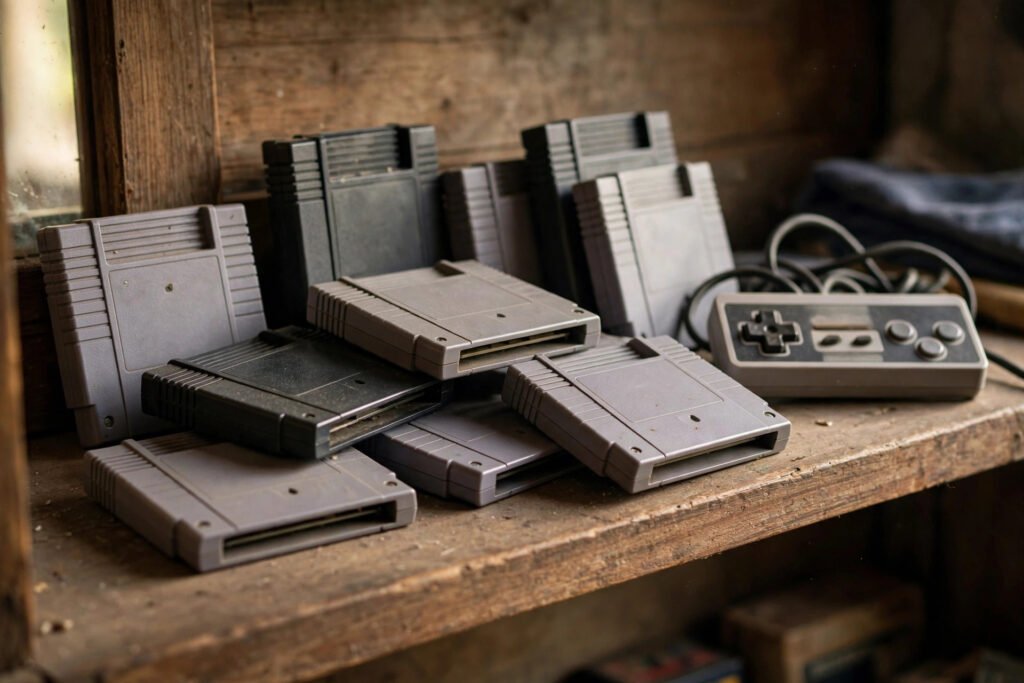
You found your childhood console in your parents’ attic. The cartridges are there, the memories are vivid — and the console itself is dead, the TV has no AV inputs, and the cartridges’ save batteries died a decade ago. The internet’s answer is “just emulate,” but that advice skips the important part: much of emulation exists in a legal gray zone, and there’s a thriving world of completely legitimate ways to play retro games on modern hardware. Here’s how to do it legally, from the easy official routes to the enthusiast methods.
Start With the Official Channels
The simplest legal path is buying retro games from the companies that made them. Nintendo Switch Online subscriptions include libraries of NES, SNES, Game Boy, and (at the Expansion Pack tier) Nintendo 64, Game Boy Advance, and Sega Genesis games — all officially emulated, all legal, all included in a subscription many players already have. PlayStation Plus Premium streams and downloads a rotating catalog of PS1, PS2, and PSP classics. Xbox’s backward compatibility program lets you play hundreds of Xbox 360 and original Xbox games on modern hardware, often with free resolution boosts.
Beyond subscriptions: digital storefronts sell individual classics. GOG.com specializes in DRM-free classic PC games updated to run on modern systems — the gold standard for legal retro PC gaming. Steam, the PlayStation Store, and the eShop all carry retro collections and remasters. Nintendo’s official retro offerings through Switch Online remain the easiest entry point for console classics.
Remasters, Remakes, and Collections
The retro market has matured into a real industry. Publishers now release curated collections (Castlevania Anniversary Collection, Mega Man Legacy Collection, Sonic Origins) with save states, rewinding, and museum-quality extras — often better than the original experience. Full remakes (Resident Evil 2, Final Fantasy VII Remake, Tony Hawk’s Pro Skater 1+2) rebuild classics with modern technology while preserving the design.
Specialist publishers like Limited Run Games, Strictly Limited, and iam8bit produce physical editions of retro and retro-style games, keeping the collector’s market alive legally. And the “mini console” wave — NES Classic, SNES Classic, Genesis Mini, PlayStation Classic — though mostly discontinued, created a legitimate plug-and-play retro market; used units remain widely available.
Emulation: Where the Law Actually Stands
Here’s the honest legal picture. Emulators themselves — software that mimics old hardware — are legal; courts established this in the early 2000s (Sony v. Connectix). What’s usually illegal is the ROM: downloading a game you don’t own is copyright infringement, full stop, regardless of what forums claim about “24-hour rules” (a myth) or “abandonware” (not a legal concept — copyright persists whether or not a game is sold).
The legally defensible path to emulation: rip ROMs from cartridges and discs you physically own, using hardware like cartridge dumpers. This falls under personal backup/archival arguments that, while never fully tested in court for games, are widely considered the safest ground. Some jurisdictions are clearer than others, but “I own the cartridge” plus “I dumped it myself” is the gold standard of retro emulation ethics. Everything else is piracy with nostalgia as the excuse.
The Hardware: Playing Ripped Games Well
Once you’re on solid legal ground, the hardware options are wonderful. A Raspberry Pi or similar single-board computer running RetroPie or Batocera becomes a tiny multi-console retro station for your legally dumped ROMs. Dedicated handhelds (Anbernic, Retroid, Steam Deck) play everything through the early 2000s beautifully. For the authentic feel, FPGA systems like the MiSTer project or Analogue’s consoles replicate original hardware at the gate level — cycle-accurate, lag-free, and legal with your own dumps.
CRT shaders and filters deserve a mention: modern displays make old games look harshly pixelated compared to memory, because memory includes the softening of CRT screens. A good CRT shader restores the intended look — it’s the difference between “wrong” and “right” for many players. Before investing in any of this, though, make sure your base hardware is sound: checking a used console before buying applies to retro hardware too. And for aging gear generally, whether to repair or replace old hardware is the same calculation.
Preservation: Why This Matters Beyond Nostalgia
There’s a serious argument beneath the hobby: video game preservation. An estimated 87% of classic games are out of print and unavailable legally — the Video Game History Foundation’s research puts the “critically endangered” figure starkly. When the only legal path to a game is a dead console and a rotting cartridge, culture is being lost. Supporting official re-releases, buying collections, and advocating for preservation exemptions to copyright law are how the legal landscape improves.
Until then, the ethical retro gamer’s creed is simple: buy what’s available officially, dump what you own, and don’t pretend piracy is preservation. The industry is slowly meeting players halfway — every collection purchased is a vote for more.
Caring for Original Hardware and Media
The legal path often starts with the cartridges you already own — and they’re aging. Cartridge save batteries (CR2032 cells in most) last 15–25 years; many are dead now, but they’re replaceable with basic soldering skills, and the saves can sometimes be recovered first. Disc rot affects early optical media — store discs vertically, away from heat and light. Original consoles need maintenance too: capacitors fail with age (the “recapping” hobby exists for a reason), and original power supplies should be inspected before use.
This maintenance matters legally as well as practically: your right to dump and play your own games is strongest when you actually preserve the originals. A well-maintained collection isn’t just nostalgia — it’s the legal foundation of your entire retro setup.
Conclusion
Playing retro games legally on modern hardware means starting with official channels (Switch Online, PS Plus classics, Xbox backward compatibility, GOG), exploring remasters and collections, understanding that emulators are legal but downloaded ROMs aren’t, dumping your own cartridges for the defensible path, and choosing hardware from Raspberry Pi to FPGA systems. Nostalgia doesn’t require piracy — the legal retro ecosystem has never been richer.
Frequently Asked Questions
Is downloading ROMs illegal if I own the game?
Yes, technically — downloading a ROM from the internet is copyright infringement regardless of ownership. The defensible approach is dumping the ROM yourself from your own cartridge or disc.
Are emulators themselves legal?
Yes. Courts ruled emulators legal in the early 2000s as long as they don’t use copyrighted BIOS code. The legal issues are about game ROMs, not emulator software.
What is abandonware?
A community term for games no longer sold — not a legal category. Copyright persists for decades after a game leaves the market, so “abandonware” downloads are still technically infringement.
How do I replace a dead cartridge save battery?
Most cartridges use a CR2032 cell soldered to the board. With basic soldering skills you can desolder the old cell and install a battery holder for easy future swaps. Back up the save first with a cartridge dumper if the data matters to you.
Is it legal to sell my dumped ROMs?
No — your backup rights (such as they are) are personal. Distributing ROMs, even of games you own, is copyright infringement. Dumps are for your own use on your own devices.
What’s the easiest legal way to play old Nintendo games?
A Nintendo Switch Online subscription, which includes NES, SNES, Game Boy, N64, GBA, and Genesis libraries depending on tier — no extra hardware or legal ambiguity required.