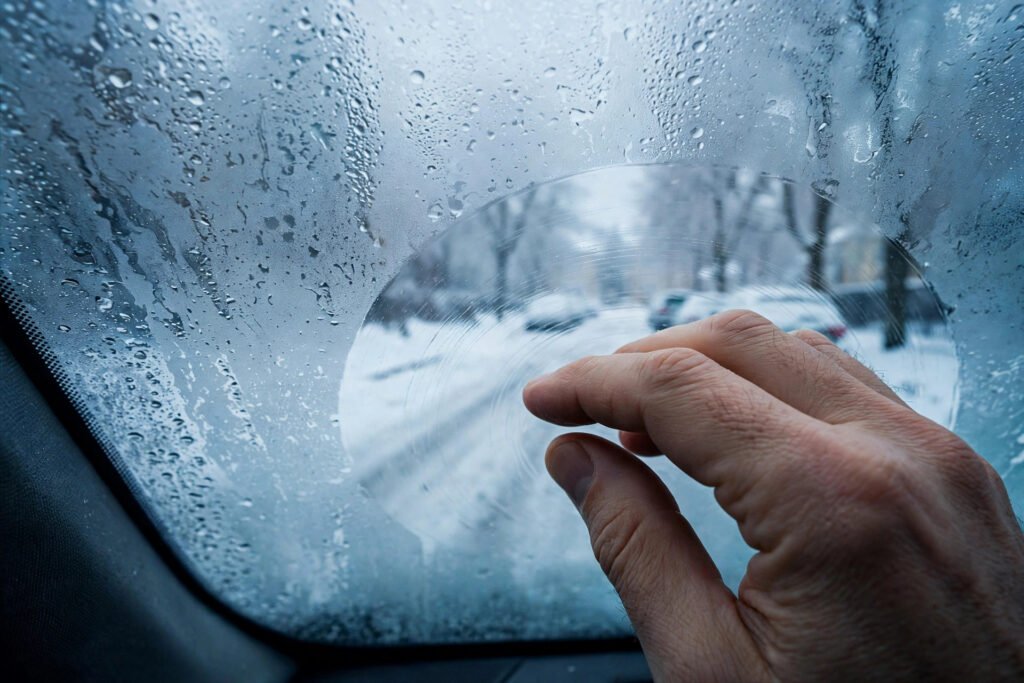
How to Keep Your Windshield From Fogging in Winter
You scrape, you blast the defroster, you wipe the glass with your sleeve — and thirty seconds later your windshield is fogged over again. Driving with a hazy windshield is not just annoying; it is genuinely dangerous, cutting your visibility to a fraction of normal. The good news is that windshield fogging is pure physics, and once you understand what causes it, preventing it becomes almost automatic.
Here is why your windshield fogs up every winter, the exact steps to clear it fast, and the habits and fixes that keep it from coming back — so you can stop guessing and start seeing clearly.
Why Windshields Fog Up in Winter
Fog on your windshield is condensation: moisture in the cabin air turning into tiny water droplets on the coldest surface in the car — the glass. Winter creates the perfect storm for it. Your warm breath adds humidity with every exhale, wet boots and coats bring in more moisture, and the glass itself can be near freezing, far below the dew point of the cabin air.
This is why fogging is worst on cold mornings and in rain or snow, and why it returns the moment you turn the defroster off. The root problem is always the same: warm, humid air meeting a cold surface. Every effective fix either removes the humidity or warms the glass — ideally both.
How to Clear a Fogged Windshield Fast
When you are already late and the glass is opaque, do this in order. Turn the defroster to its highest heat setting and aim it at the windshield. Then — and this is the part most people miss — turn the air conditioning ON and switch off recirculation. Running the A/C in winter sounds wrong, but the A/C compressor dehumidifies the air, which is exactly what you need. Fresh outside air is drier than the humid cabin air, so turn recirculation off to pull it in.
Crack a window slightly for the first minute to equalize temperature and vent humidity faster. Within two to three minutes the glass should be clear. If it is not, your cabin air filter may be clogged — a dirty filter restricts airflow and traps moisture, which is a common hidden cause of chronic fogging. Replacing it is a cheap, easy job, and learning the easiest way to learn basic car maintenance will help you handle filter swaps and other simple fixes yourself.
Everyday Habits That Prevent Fogging
Reduce the moisture you bring in
Shake snow off your boots before getting in, and knock excess water off your coat. It sounds trivial, but a car full of melting snow can add a surprising amount of humidity to the cabin. Rubber floor mats trap that meltwater instead of letting it soak into the carpet, where it evaporates into the air all winter long. Empty them regularly.
Run the A/C year-round
Most drivers turn the A/C off from November to March. Do not. Running the air conditioning with the heat on costs almost nothing in fuel and continuously strips humidity from the cabin. Your owner’s manual likely recommends this; it also keeps the A/C seals lubricated so the system still works when summer arrives.
Warm up with the defroster on, not recirculation
If you remote-start or idle to warm the car, leave the HVAC in defrost mode with fresh air selected. Recirculation mode just reheats the same humid air and guarantees a fogged windshield the moment you get in. Never warm up a car in a closed garage — the carbon monoxide risk is serious and can be fatal. The Department of Energy’s winter driving tips note that 30 seconds of idling is enough before driving gently, which warms the engine faster than extended idling.
Products and Fixes That Actually Work
Anti-fog treatments
Interior anti-fog sprays and wipes apply a hydrophilic coating that prevents droplets from forming, causing moisture to sheet invisibly instead. They work, but they need reapplication every few weeks and must be buffed completely clear — streaky application can make visibility worse, not better. Clean the inside of the glass thoroughly first; years of film from off-gassing plastics reduce any coating’s effectiveness.
Moisture absorbers
Reusable silica-gel dehumidifier bags placed on the dashboard absorb cabin moisture overnight and can be recharged in the microwave. They are a solid passive fix for cars that sit outside and fog up between drives, especially if you have a sunroof with aging seals or other small leak sources.
Check for leaks
If your windshield fogs heavily every single morning and the carpets feel damp, you may have a water leak — commonly a clogged sunroof drain, a failing door seal, or a windshield seal that has shrunk with age. A leak turns your car into a greenhouse and no amount of defrosting will fix it permanently. A body shop or glass specialist can find it quickly.
The Windshield Itself: Inside and Outside
The inside of your windshield collects a film of plasticizers, dust, and skin oils that gives condensation something to cling to. Wipe the interior glass monthly with automotive glass cleaner (not ammonia-based household cleaner, which can damage window tint) and a clean microfiber cloth, finishing with a dry buff. Many chronic foggers find that a truly clean interior windshield cuts their fogging problem in half.
On the outside, a hydrophobic treatment like a rain-repellent coating helps water sheet off during winter storms, improving visibility in the conditions that cause the worst fogging. Replace wiper blades before winter — worn blades smear road film across the glass, and smeared glass fogs faster and clears slower.
When Fogging Signals a Bigger Problem
Persistent fogging with a sweet smell and an oily film on the glass points to a leaking heater core, which mists coolant into the cabin. This is not a DIY fix for most drivers and should go to a shop — coolant vapor is unhealthy to breathe and the leak will only worsen. Similarly, fogging that appears only on one side of the car can indicate a blocked HVAC drain or a stuck blend door. If the standard fixes do nothing, get the HVAC system inspected rather than fighting the symptom forever. The Car Care Council recommends replacing cabin air filters every 12,000 to 15,000 miles — a neglected filter is one of the most common hidden causes of chronic fogging.
As with any winter car trouble, preparation matters: keeping an emergency kit in your car with a good ice scraper, spare microfiber cloths, and a backup anti-fog wipe means you are never stuck squinting through haze on a dark highway.
Conclusion
Windshield fogging is a humidity problem, and the fix is always some combination of removing moisture and warming the glass: defroster on high heat, A/C on, recirculation off, and a cracked window to clear it fast. Long-term prevention comes from clean interior glass, rubber floor mats, running the A/C year-round, and fixing any leaks or clogged cabin filters. Master these habits and winter driving becomes dramatically clearer — literally.
Frequently Asked Questions
Why does my windshield fog up even when the car is warm?
Because the problem is humidity, not temperature. Your breath and wet clothing keep adding moisture to the cabin air, and any cold surface — including the windshield edges — will collect it. Running the A/C with the heat continuously dehumidifies and prevents this.
Is it bad to drive with a fogged windshield?
Yes. Fogged glass drastically reduces visibility and reaction time, and in many states driving with an obstructed windshield can earn you a ticket. Never wipe it with your hand while driving — pull over safely first.
Do those anti-fog sprays really work?
They work reasonably well for a few weeks per application, provided the glass is perfectly clean first and the product is buffed clear. They are a supplement to good HVAC habits, not a replacement for them.
Should I use recirculation or fresh air in winter?
Fresh air, almost always. Recirculation traps humidity inside and is the fastest way to fog your windshield. The only exception is driving through a tunnel or heavy exhaust fumes for a short stretch.
Why does only my windshield fog and not the side windows?
The windshield is the largest, most sloped piece of glass and loses heat fastest, so it drops below the dew point first. Side windows fog too in severe cases — usually a sign of very high cabin humidity or a leak.