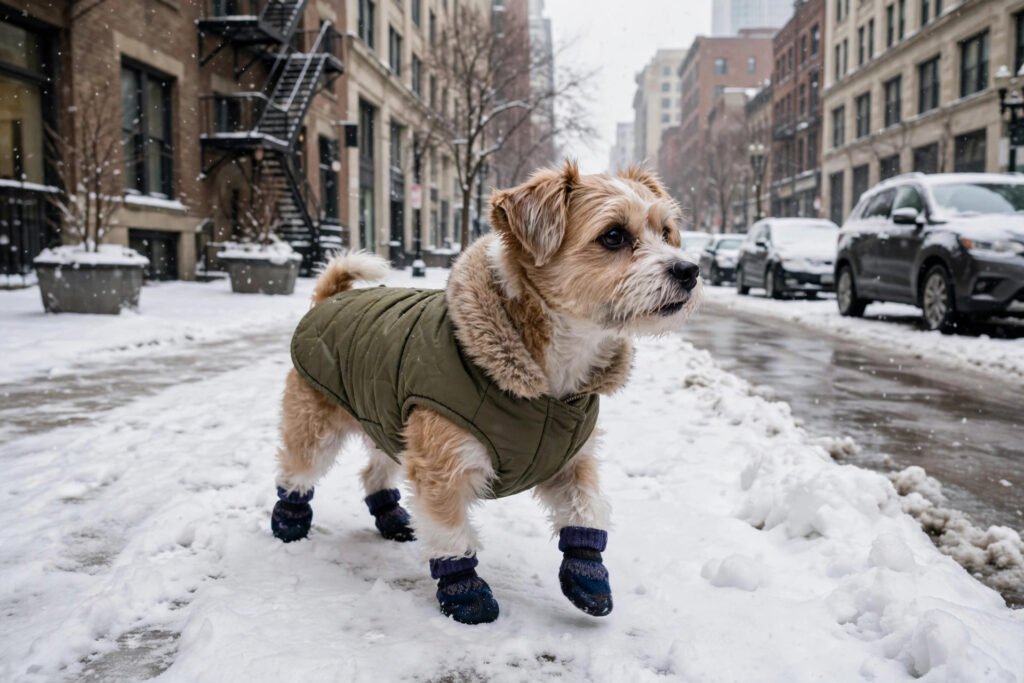
How to Keep Your Dog Warm During Chicago Winters
Chicago winters are dangerous for dogs — not just uncomfortable. When the wind chill hits -20°F, frostbite can damage a dog’s ears, paws, and tail in under 30 minutes, and hypothermia is a genuine emergency vets treat every winter. Yet every January, Chicago emergency vets see dogs suffering from preventable cold injuries because owners underestimated the lakefront wind or overestimated their dog’s tolerance.
This guide covers how to keep your dog warm and safe through a Chicago winter: which dogs are most at risk, the gear that actually works, paw protection strategies, indoor exercise alternatives for the worst days, and the warning signs of hypothermia every owner must recognize.
Know Your Dog’s Cold Tolerance
Not all dogs handle cold equally. High-risk dogs include: small breeds (Chihuahuas, Yorkies, mini Dachshunds), short-coated breeds (Greyhounds, Boxers, Pit Bulls, Dobermans), puppies under 6 months, seniors over 8-10 years, and dogs with arthritis, heart disease, or diabetes. These dogs need serious protection below freezing and should not be out long below 20°F.
Cold-tolerant breeds — Huskies, Malamutes, Bernese Mountain Dogs, Newfoundlands, Akitas — were built for this and often prefer winter. But even they have limits: no dog is safe in prolonged extreme cold, and wind chill affects dogs just as it does humans. The ASPCA’s cold weather safety guide is the gold standard reference.
General thresholds: above 45°F, most dogs are fine. 32-45°F: watch small and short-coated dogs. 20-32°F: limit time outside, use coats for at-risk breeds. Below 20°F: short potty breaks only for most dogs. Below 0°F: minimize all outdoor time, and never leave any dog unattended outside.
Winter Gear That Actually Works
Coats: Get a well-fitted insulated coat that covers from neck to tail base, with belly coverage for deep snow. Look for water-resistant outer shells — Chicago’s wet snow soaks through cheap fleece in minutes. Measure your dog’s back length and chest girth; a coat that rides up or restricts leg movement will be hated and useless.
Booties: The single most impactful gear for city dogs. Road salt burns paw pads chemically, and ice balls form between toes. Quality booties with Velcro straps (not elastic) stay on; expect a hilarious adjustment period of high-stepping. Pro tip: buy a 4-pack plus spares — dogs lose them in snowbanks constantly. If your dog absolutely refuses booties, paw balm/wax applied before walks provides a protective barrier, though it is less effective against salt.
Sweaters vs. coats: Sweaters work for mild cold and indoor warmth; for actual Chicago winter, you need an insulated coat. Layer a sweater under a coat for the most cold-sensitive dogs.
Paw Care: The Chicago-Specific Battle
Salt is the enemy. Chicago uses enormous quantities of road salt, and it causes chemical burns, cracking, and pain — plus toxicity if dogs lick it off. After every walk: rinse or wipe paws with a warm damp cloth, check between toes for ice balls and salt crystals, and apply paw balm to moisturize.
Keep the fur between paw pads trimmed — long fur collects ice balls that are painful and cause limping. Watch for warning signs: limping, licking paws obsessively, red or cracked pads, or reluctance to walk. These mean the paws need a break and treatment. The American Kennel Club’s expert advice covers paw care protocols in depth.
Consider your walking routes: side streets with less salt, parks with packed snow paths, and alleys are easier on paws than heavily salted main sidewalks. Some Chicago dog owners map low-salt routes the way runners map safe routes — it is worth the effort.
Indoor Life: Exercise, Enrichment, and Warmth at Home
On brutal days (below 0°F wind chill), skip the long walk without guilt — a bored dog is better than a frostbitten one. Replace outdoor exercise with: indoor fetch down a hallway, tug-of-war, puzzle feeders and snuffle mats, training sessions (mental exercise tires dogs remarkably well), and stair runs if your building allows.
At home, make sure your dog’s bed is off cold floors and away from drafts — elevated beds or beds with blankets work best. Senior dogs with arthritis suffer more in winter; consider a heated pet bed (with chew-proof cords) and ask your vet about joint supplements. Keep fresh water available — heated bowls prevent freezing for dogs spending time in garages or mudrooms, and winter air is dehydrating.
Never leave your dog in a cold car “for a minute” — cars lose heat terrifyingly fast, and it is just as dangerous as summer heat in reverse. And adjust food slightly: very active winter dogs burn more calories, but most city dogs are less active in winter and need no increase. If you travel with your pup, knowing how to find pet-friendly hotels without huge fees keeps winter trips affordable, and keeping your car clean with pets matters even more when wet winter dogs are involved.
Recognizing Hypothermia and Frostbite
Hypothermia signs: violent shivering progressing to lethargy, weak pulse, shallow breathing, muscle stiffness, and finally collapse. This is an emergency — warm the dog gradually with blankets (not hot water or heating pads directly on skin), and get to a vet immediately.
Frostbite signs: pale, gray, or blue skin on ears, tail tip, paws, or scrotum; skin that feels cold and hard; pain or swelling as tissue warms. Do not rub frostbitten tissue — warm gently and seek veterinary care, as damaged tissue can take days to fully declare itself.
When in doubt, call your vet or an emergency clinic. Chicago winters send a predictable surge of cold-injury cases to emergency vets every January — the vets would much rather take your worried phone call than treat your dog’s frostbite.
Conclusion
Keeping your Chicago dog warm through winter means: knowing your breed’s limits, investing in a real coat and booties, protecting paws from salt after every walk, exercising indoors on brutal days, and recognizing hypothermia warning signs. Chicago winters are survivable — even enjoyable — for dogs whose owners prepare. The dogs who suffer are almost always the ones whose owners winged it.
Frequently Asked Questions
What temperature is too cold for dogs in Chicago?
Below 20°F, most dogs should only be out for short potty breaks. Below 0°F, minimize all outdoor time. Small, short-coated, young, senior, or ill dogs need protection starting around freezing (32°F).
Do dogs need boots in winter?
In Chicago, yes for most dogs. Road salt chemically burns paw pads, and ice balls form painfully between toes. Booties are the best protection; paw wax is a partial alternative for dogs that refuse boots.
How do I protect my dog’s paws from road salt?
Use booties on walks, apply paw balm before and after, rinse paws with warm water after every outing, trim fur between pads, and choose less-salted routes when possible.
Can dogs get frostbite?
Yes — ears, tail tips, and paws are most vulnerable. In wind chills below -20°F, frostbite can begin in under 30 minutes. Signs include pale or gray skin that feels cold and hard.
Should I change my dog’s diet in winter?
Only if activity changes significantly. Very active outdoor dogs may need slightly more food; most city dogs are less active in winter and need the same or slightly less. Maintain body condition and adjust based on weight trends.