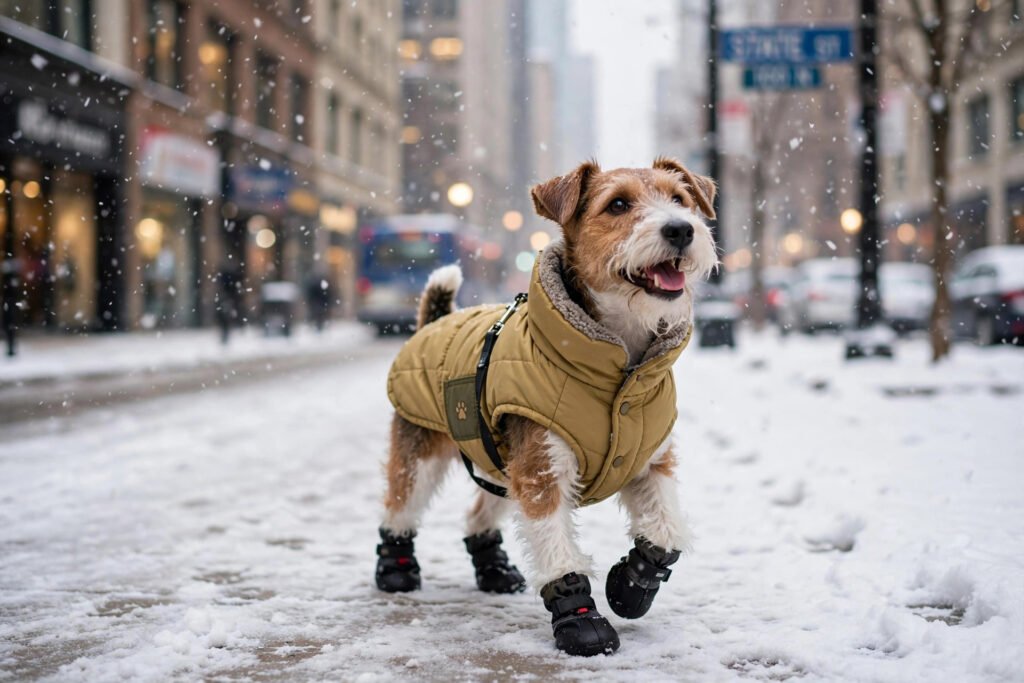
How to Keep Your Dog Warm in Chicago Winters
How to keep your dog warm in Chicago winters: when wind chills hit -30°F, your dog’s safety becomes a serious concern — and the answer isn’t the same for every dog. A husky thrives where a chihuahua suffers; a senior dog needs what a young athlete doesn’t. Chicago winters demand a real strategy, not just hope and a cute sweater from the pet store. Here’s the complete 2026 guide to keeping your dog warm, safe, and happy through a Chicago winter.
Know Your Dog’s Cold Tolerance
Cold tolerance varies enormously by breed, size, age, and health. Cold-hardy breeds (huskies, malamutes, Bernese mountain dogs, Newfoundlands): bred for this, comfortable well below zero with proper acclimation. Average dogs (labs, goldens, shepherds, beagles): fine to ~20°F with normal activity, need protection below that. Cold-sensitive dogs (chihuahuas, greyhounds, dachshunds, French bulldogs, Chinese cresteds, puppies, seniors, dogs with arthritis or illness): uncomfortable below 40°F, at risk below 20°F.
Key factors: body fat and coat (lean short-coated dogs lose heat fast), size (small dogs have worse surface-area-to-volume ratios), age (puppies and seniors regulate temperature poorly), and health (hypothyroid, diabetic, arthritic, and heart-condition dogs are vulnerable). Know your dog’s category — it determines everything below. The American Veterinary Medical Association’s cold weather guidance is the authoritative reference on pet winter safety.
The Gear: Coats, Boots, and Paw Protection
Coats: Cold-sensitive and average dogs need insulated, water-resistant coats below ~30°F. Fit matters more than fashion — coverage from neck to tail base, belly coverage for deep snow, snug but not restrictive. Measure your dog (neck, chest, length) rather than guessing by breed. Layering works: a fleece under a shell for extreme cold.
Boots: Chicago’s real paw enemy isn’t just cold — it’s road salt, which burns paw pads and is toxic if licked. Boots (properly fitted, with secure closures) are the best defense. Most dogs need a training period — practice indoors with treats before expecting winter walks. Alternatives: paw wax (Musher’s Secret and similar) creates a barrier — better than nothing, worse than boots.
Post-walk ritual: Every single walk — wipe paws with a warm damp cloth (removes salt and ice-melt chemicals), check between toes for ice balls, inspect pads for cracks. Keep paw balm on hand for dryness. This 2-minute routine prevents the chemical burns and cracked pads that send Chicago dogs to vets every winter.
Outdoor Time Rules for Chicago Cold
General guidelines: above 30°F — most dogs fine with normal walks. 20–30°F — shorten walks for small/cold-sensitive dogs, gear up. 10–20°F — brief outings only for cold-sensitive dogs (5–10 minutes), moderate for average dogs with gear. Below 10°F — potty breaks only for most dogs; below 0°F — absolute minimum outdoor time for all but cold-hardy breeds. Wind chill counts — -5°F air with -25°F wind chill is -25°F to your dog.
Never leave dogs in cars in winter (cars become freezers — temperatures drop as fast as they rise in summer), never leave dogs outdoors unsupervised in extreme cold, and watch for hypothermia signs: shivering, lethargy, weakness, shallow breathing, cold ears/paws. Frostbite hits ears, tails, and paws first — pale/gray skin needs immediate veterinary attention. The CDC’s pet safety resources reinforce these emergency thresholds.
Indoor Warmth and Winter Exercise
Indoor comfort: provide warm sleeping spots away from drafts (elevated beds beat cold floors), consider heated pet mats (thermostat-controlled, pet-safe models only), maintain humidity (Chicago winter indoor air is brutally dry — it affects dogs’ skin and respiratory comfort too), and keep fresh water available (heated bowls for outdoor/garage water).
Exercise is the winter challenge — under-exercised dogs develop behavioral problems. Solutions: indoor play (fetch in hallways, tug, puzzle toys, training sessions — mental exercise tires dogs effectively), doggy daycare on extreme-cold days, indoor dog parks and training facilities (Chicago has several), and treadmill training (yes, really — with proper introduction). A tired dog is a warm, happy dog — even if the tiredness came from puzzle toys rather than the park. Thinking about adding to the family? Read whether a pet fits a busy lifestyle before committing.
Winter Nutrition and Hydration
Dogs burn more calories staying warm — outdoor-active dogs may need 10–25% more food in deep winter. Watch body condition (you should feel ribs easily but not see them) and adjust portions rather than guessing. Senior and less-active indoor dogs may need less — winter weight gain is common when exercise drops but food doesn’t.
Hydration matters year-round: heated water bowls prevent freezing for dogs with outdoor access, and indoor winter air increases water needs. Wet food or water added to kibble helps. And beware winter toxins: antifreeze (ethylene glycol) is lethally toxic and tastes sweet — clean spills immediately and consider propylene-glycol alternatives; rock salt and ice melts irritate paws and poison if ingested in quantity; keep dogs from drinking from roadside puddles where chemicals concentrate.
Special Situations
Senior dogs: Arthritis worsens in cold — orthopedic heated beds, joint supplements (vet-approved), shorter more frequent outings, and watch for increased stiffness. Puppies: poor temperature regulation — minimal outdoor time, always geared, never alone in cold. Short-nosed breeds (bulldogs, pugs): breathing difficulty compounds cold stress — extra caution. Traveling: winter road trips need planning — pet-friendly hotel guidance helps, plus never leave dogs in cold cars at rest stops.
Emergency preparedness: Chicago blizzards happen — keep 3+ days of dog food and medications, know your vet’s emergency number and the nearest 24-hour animal hospital, and include your dog in your household emergency plan. Power outages in -10°F weather are dangerous for cold-sensitive dogs — have a warming plan (body heat, blankets, car with heat as backup).
Conclusion
Keeping your dog warm in Chicago winters means: knowing your dog’s cold-tolerance category (breed, size, age, and health determine everything), investing in a properly fitted coat and boots (road salt is the real everyday enemy), following temperature-based outdoor time rules with wind chill factored in, doing the post-walk paw ritual every single time without exception, providing warm draft-free indoor rest, maintaining exercise through indoor alternatives, and preparing for emergencies. Chicago winters are survivable — even enjoyable — for dogs whose humans take the cold seriously.
Frequently Asked Questions
How cold is too cold for dogs during a Chicago winter?
Below 20°F is risky for small/cold-sensitive dogs; below 10°F means brief outings only for most dogs; below 0°F is potty-breaks-only except for cold-hardy breeds. Always factor wind chill.
Do dogs genuinely need coats and boots in Chicago winters?
Cold-sensitive and average dogs: yes below ~30°F. Boots especially — Chicago road salt burns paws and is toxic. Cold-hardy breeds need less, but salt protection helps all dogs.
How do I protect my dog’s paws from Chicago road salt?
Boots are best; paw wax is a decent alternative. Always wipe paws with a warm damp cloth after every walk to remove salt and chemicals.
Can I leave my dog in the car during a Chicago winter?
No — cars become freezers in winter, with temperatures dropping dangerously fast. The same rules as summer heat apply in reverse.
What are the warning signs of hypothermia in dogs?
Shivering, lethargy, weakness, shallow breathing, cold ears and paws. Frostbite shows as pale/gray skin on ears, tail, or paws — seek veterinary care immediately.