What to Bring to an Outdoor Concert for Comfort
What to Bring to an Outdoor Concert for Comfort (The Checklist)
Knowing what to bring to an outdoor concert for comfort is the difference between a magical evening and a miserable one. I’ve done outdoor shows in blazing heat, surprise downpours, and freezing amphitheater nights — and the veterans around me always had the gear I wished I’d brought. This isn’t about overpacking; it’s about the six forgotten essentials plus a few upgrades that separate comfortable concert-goers from the suffering masses. Print this checklist before your next show.
The 6 Forgotten Essentials
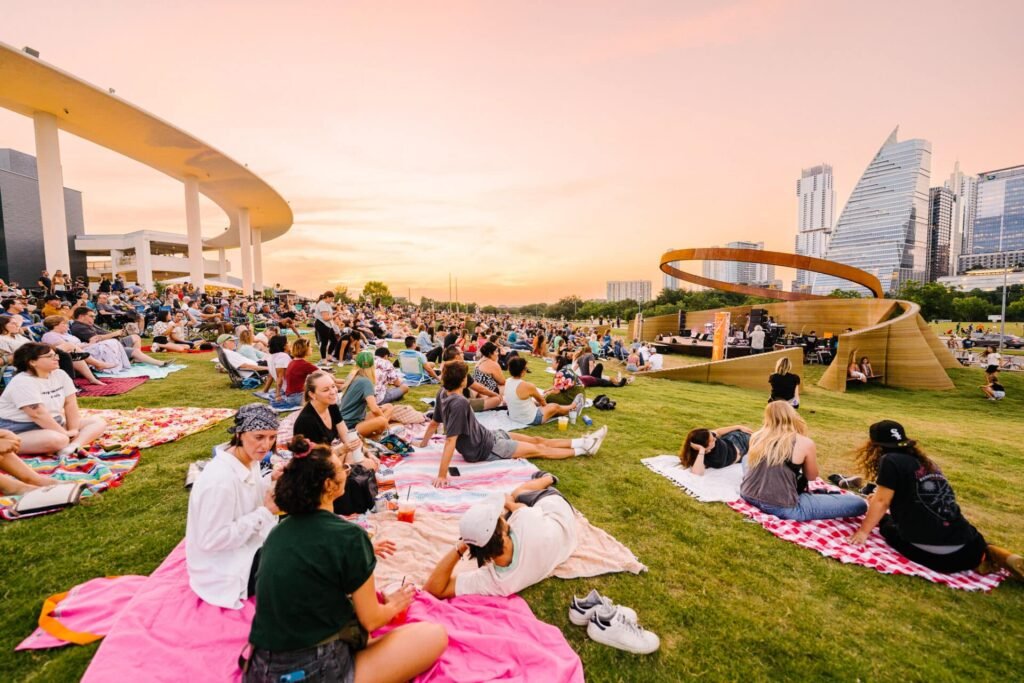
- A blanket or low-back chair. Check the venue’s chair policy first — many lawn venues ban full-height chairs but allow low-profile ones or blankets. A decent outdoor blanket ($20-30, water-resistant backing) is the most-used item on this list.
- Sunscreen + bug spray. Afternoon shows mean sunburn; evening shows mean mosquitoes. Bring both, apply before you need them.
- Layers. Temperature drops 10-15°F after sunset, and amphitheaters get windy. A packable hoodie or fleece weighs nothing and saves the night.
- Earplugs. High-fidelity concert earplugs ($15-25, Etymotic or Loop) cut damaging decibels while keeping the music clear. Your future hearing thanks you. Foam plugs from the drugstore work in a pinch.
- A portable phone charger. Tickets, setlists, ride coordination, photos — a dead phone at an outdoor venue is a real problem. Small power banks cost $15-20.
- Cash. Card readers fail, ATMs have lines and fees, and tipping the merch table in cash is faster. Bring $40-60 in small bills.
Veteran Upgrades
- Binoculars (compact). For large venues, cheap compact binoculars ($25) transform nosebleed lawn seats.
- A clear bag. Many venues now require clear bags — check the policy and buy a compliant one ($10-15) once, use it forever.
- Wet wipes and hand sanitizer. Porta-potties. Enough said.
- A rain poncho (not umbrella). Ponchos keep you dry without blocking anyone’s view. Umbrellas get confiscated or hated.
- Snacks and sealed water. Venue policies vary — check what’s allowed. Sealed water bottles are permitted at most outdoor venues.
- A small flashlight or headlamp. Finding things in the dark between sets without blinding neighbors with your phone.
The Weather Contingency Kit
Outdoor concerts happen rain or shine (lightning excepted). Pack for the forecast plus one surprise:
- Hot day: Wide-brim hat, extra water, cooling towel, shade plan (arrive early for tree cover).
- Rain likely: Poncho, waterproof bag for electronics, quick-dry clothing, a change of socks in the car.
- Cold night: Blanket as a wrap, hand warmers ($5 for a pack), insulated layers, warm hat.
What NOT to Bring
- Umbrellas — blocked views, often banned.
- Professional cameras — most venues ban detachable-lens cameras without a photo pass.
- Outside alcohol — universally banned; buy inside or pregame responsibly elsewhere.
- Too much stuff. You’ll carry everything, possibly long distances from parking. Pack light.
- Valuables you can’t afford to lose. Crowds, dark, grass — things disappear.
Before you go, check free concerts in your city — many are outdoors and this whole checklist applies. And if you’re buying tickets, read the resale ticket guide first. For general concert background, how concerts work covers the formats.
The Takeaway
Outdoor concert comfort comes down to: seating (blanket/low chair), sun and bug protection, layers for the temperature drop, earplugs, a phone charger, and cash — plus a poncho and weather-appropriate extras. Check the venue’s bag and chair policies before you pack. Get the logistics right and all that’s left is the music.
Frequently Asked Questions
Can I bring food and drinks to an outdoor concert?
Depends entirely on the venue. Public parks series: often yes, even coolers and picnic baskets. Commercial amphitheaters: usually sealed water only, no outside food or alcohol. Always check the venue’s FAQ page before packing — policies vary wildly and “I didn’t know” doesn’t work at the gate. When in doubt, eat beforehand and bring just sealed water. The venue makes its money on concessions; that’s the trade for the show.
What kind of chair is allowed at outdoor concerts?
Most lawn venues allow low-profile beach chairs (seat under ~9 inches off the ground) or blankets only — full-height camping chairs block views and are commonly banned. Some venues rent chairs on-site ($5-10). A few allow anything. This is the most-asked venue question because the answer varies so much: check the specific venue’s policy page, not general advice. When chairs are banned, a thick outdoor blanket with a stadium seat cushion is the comfort-maximizing combo.
How early should I arrive at an outdoor concert?
For general-admission lawn: 60-90 minutes before showtime for good blanket placement — the best spots (centered, slight elevation, near sound booth for best audio) go fast. For reserved seating: 30-45 minutes is plenty. For festivals: gates-open arrival if you want front positions. Factor in parking and entry lines, which at outdoor venues can eat 30+ minutes. Arriving early also means catching the opener, who is often excellent and playing to a relaxed crowd.
Are outdoor concerts safe in bad weather?
Shows go on in rain; they stop for lightning. Venues monitor weather radar and will pause or evacuate for lightning within a set radius — follow staff instructions immediately if this happens. Never shelter under trees in a lightning storm (parking structures and venue buildings are the safe spots). Heat is the more common risk: hydrate aggressively, seek shade, and know heat-exhaustion signs. Venues have medical tents — locate yours on arrival. When severe weather threatens, check the venue’s social media for updates before leaving home.
What should I wear to an outdoor concert?
Comfort over style, always: breathable layers you can add or remove as temperatures shift, broken-in shoes (you’ll stand and walk on grass and gravel for hours — this is not the night for new shoes or heels), and a hat for daytime shows. Avoid white (grass stains, dust, spilled drinks) and anything you’d cry over losing in a crowd. A small crossbody bag beats a big tote — less to carry, harder to lose, and compliant with most venue bag policies. Check the forecast and dress for ten degrees cooler than the daytime high, since venues get cold after dark. The veteran look isn’t fashionable, it’s functional — and the comfortable people are the ones still dancing at the encore.