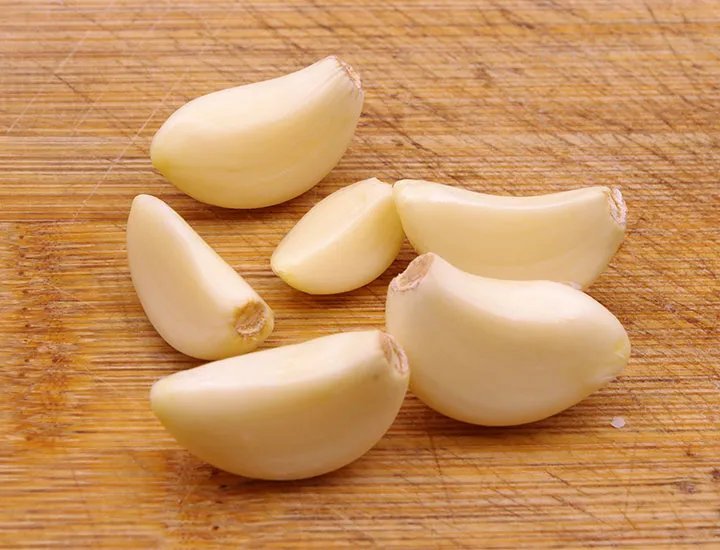
The Easiest Way to Peel Garlic Quickly (3 Methods)
The Easiest Way to Peel Garlic Quickly (3 Methods, Timed and Ranked)
What’s the easiest way to peel garlic quickly? The shake method: put the cloves between two bowls (or in a jar), shake hard for 20 seconds, and the peels fall right off. I’ve timed all the popular methods against each other, peeling a full head each way, and the results were clear. Whether you’re mincing two cloves for dinner or prepping a whole head for pulled pork, here’s the fastest way to get from papery bulb to ready-to-chop cloves.
Method 1: The Shake (Fastest for Batches) — 20 Seconds
Separate the cloves from the head (smash the bulb with your palm). Put the unpeeled cloves in a lidded jar, cocktail shaker, or between two metal bowls held together. Shake vigorously for 15-20 seconds. The cloves batter against each other and the peels loosen and fall off. Pick out the peeled cloves; give stubborn ones another 10-second shake. I peeled an entire head — 12 cloves — in under a minute this way. It’s almost absurdly effective, and it’s fun enough that kids will volunteer.
Method 2: The Smash (Fastest for 1-3 Cloves) — 10 Seconds Per Clove
Lay a clove flat, place the flat side of a chef’s knife over it, and give it a firm whack with your palm. The peel splits and slips right off. This is the fastest method for small quantities — one clove takes about ten seconds. The tradeoff: it crushes the clove slightly, which is fine for mincing, sautéing, or roasting, but not if you need picture-perfect whole cloves. Every professional kitchen on earth uses this method; there’s a reason.
Method 3: The Microwave (Easiest for Stubborn Garlic) — 20 Seconds
Put unpeeled cloves in the microwave for 15-20 seconds. The heat loosens the peel’s grip and it slides off with barely a tug. This is the gentlest method — cloves stay whole and pretty. Downsides: it very slightly cooks the outer layer (irrelevant for cooked dishes, noticeable in raw applications like guacamole), and microwaving a big batch takes multiple rounds. Best for when you need a few pristine whole cloves for roasting.
The Ranking
- Whole head or large batch: Shake method wins by a mile.
- 1-3 cloves for cooking: Smash method — fastest, simplest, no equipment.
- Whole pretty cloves: Microwave method.
- Skip: Garlic peelers (silicone tubes) — they work but aren’t faster than smashing, and they’re another gadget to wash.
Buying and Storing Garlic
Buy firm, heavy heads with tight skin — avoid anything sprouting green shoots or feeling hollow. Store at room temperature in a ventilated spot (a garlic keeper, mesh bag, or open bowl), never in the fridge — cold triggers sprouting. Properly stored, whole heads last weeks. Once peeled, cloves keep about a week refrigerated in a sealed container. Don’t buy the pre-peeled tubs unless you’ll use them fast; they lose flavor quickly and sometimes taste oddly sharp.
The Takeaway
For batches, shake; for a few cloves, smash; for pretty whole cloves, microwave. Garlic prep shouldn’t take more than a minute, and now it won’t. Use your newfound speed on thirty-minute dinners — fresh garlic makes everything better, and there’s no excuse to reach for the jarred stuff anymore. (Okay, there’s one excuse: true laziness. We’ve all been there.)
Frequently Asked Questions
Is pre-minced jarred garlic as good as fresh?
No — and it’s not close. Jarred garlic sits in citric acid and preservatives that give it a harsh, one-dimensional sharpness missing the sweet complexity of fresh. It’s fine in a pinch for long-cooked dishes where garlic isn’t the star (soups, braises), but for anything where garlic flavor matters — aioli, garlic bread, stir-fries — fresh is dramatically better. Given that fresh garlic takes seconds to peel and mince, the jar saves almost no time. Keep one as emergency backup; cook with fresh.
Why do my hands smell like garlic for hours after handling it?
Garlic’s sulfur compounds (allicin and friends) bind to skin oils and don’t wash off with soap alone — soap removes dirt, not sulfur compounds dissolved in your skin’s oils. The famous fix works: rub your hands on stainless steel under running water (a spoon works; the steel catalyzes a reaction that neutralizes the sulfur). Lemon juice or baking soda paste also helps. Or wear gloves for big garlic-prep sessions — prevention beats cure.
Can I freeze garlic?
Yes — peeled cloves freeze well for 3-6 months in a freezer bag with the air pressed out. Frozen cloves are softer when thawed (fine for cooking, not for raw use) and can go straight into a hot pan without thawing. You can also freeze minced garlic in oil in ice cube trays — pop out a cube per dish. Don’t store garlic in oil at room temperature, though: that’s a botulism risk. Refrigerated garlic-in-oil keeps about a week; frozen is safe for months.
What’s the green sprout inside garlic — is it safe?
Safe but bitter. The green germ in the center of older cloves is just the garlic starting to sprout — it’s not harmful, but it tastes sharp and slightly bitter, and some people find it causes the notorious garlic “repeat” (burping garlic hours later). For raw preparations or delicate dishes, slice the clove and flick the green germ out with the tip of your knife. For long-cooked dishes, don’t bother — the bitterness cooks off.
Should I peel garlic before roasting a whole head?
No — roast it unpeeled. Slice the top quarter off a whole head to expose the cloves, drizzle with olive oil, wrap in foil, and roast at 400°F for 30-40 minutes. The cloves turn soft, sweet, and caramelized, and they squeeze right out of their skins like paste — no peeling required at all. Roasted garlic is a completely different ingredient from raw: mellow, nutty, and spreadable. Use it on bruschetta, mashed into potatoes, stirred into soups, or spread on sandwiches. One roasted head keeps a week in the fridge covered in a thin layer of olive oil. It’s the lowest-effort, highest-reward garlic preparation there is, and it sidesteps the whole peeling question entirely.