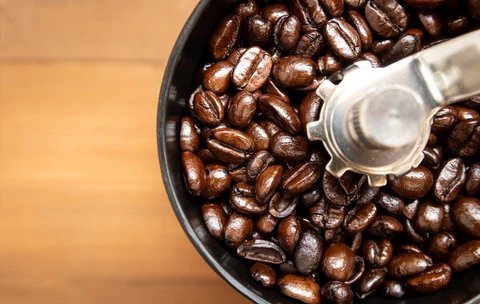
Is It Worth Grinding Your Own Coffee Beans at Home?
Is It Worth Grinding Your Own Coffee Beans at Home?
Is it worth grinding your own coffee beans at home? If you drink coffee daily and care even a little about flavor, yes — it’s the single biggest upgrade you can make, bigger than fancy beans or a new brewer. I resisted for years, convinced pre-ground was fine. Then a friend made me a cup from beans ground thirty seconds before brewing, and I understood immediately what I’d been missing. Here’s the honest breakdown of the difference, the cost, and what grinder to actually buy.
Why Fresh-Ground Tastes So Different
Coffee’s flavor lives in volatile aromatic compounds that start escaping the moment beans are ground — within 15-30 minutes, a noticeable amount is gone; within days, most of it. Pre-ground coffee from the store was ground weeks or months ago. Grinding fresh preserves those aromatics, giving you a cup that’s more complex, more fragrant, and noticeably less flat. It’s the difference between fresh-baked bread and week-old sliced bread — same ingredients, completely different experience. This is basic food chemistry, not snobbery.
The Real Cost Breakdown
- Decent burr grinder: $30-50 for a basic manual grinder, $80-150 for a good electric burr grinder. This is a one-time purchase that lasts years.
- Whole beans: $12-18 per pound at most grocery stores — roughly the same as quality pre-ground.
- Per-cup cost: About $0.50-0.75 per cup at home versus $4-6 at a coffee shop.
The grinder pays for itself if it stops even a few coffee-shop trips. And whole beans stay fresh 2-4 weeks after roasting (stored airtight, away from light), while pre-ground goes stale in days once opened.
Burr vs. Blade: The Grinder Question
This matters more than the brand. Blade grinders ($15-25) chop beans unevenly — some powder, some chunks — which extracts unevenly and gives you bitter-plus-sour cups. They’re better than pre-ground but barely. Burr grinders crush beans between two burrs for uniform particle size, which is what produces balanced, sweet extraction. If you’re buying one grinder, make it a burr grinder. A $35 manual burr grinder (like the popular Timemore or JavaPresse models) outperforms any blade grinder and is perfect for 1-2 cups a day. For households brewing pots, an electric burr grinder ($90-150, Baratza Encore being the classic pick) is worth it.
Grind Size Matters (More Than the Beans)
- Extra fine: espresso
- Fine: pour-over, AeroPress
- Medium: drip coffee makers
- Coarse: French press, cold brew
Wrong grind size is the #1 cause of bad home coffee — too fine for your method gives bitterness, too coarse gives sour weakness. A burr grinder lets you dial this in. Start with the recommended size for your brewer and adjust to taste.
When It’s NOT Worth It
Be honest with yourself: if you drink coffee purely for caffeine and genuinely can’t taste a difference, skip it. If you make one rushed cup in a chaotic morning and won’t maintain the grinder, pre-ground is fine. And if your brewer is a basic drip machine with old beans, the grinder helps but won’t perform miracles — fresh beans matter too. The upgrade shines brightest for pour-over, French press, and espresso drinkers.
The Takeaway
Grinding your own beans is worth it for anyone who drinks coffee daily and likes good flavor — a $40-100 burr grinder is the best value upgrade in all of coffee. Start with fresh whole beans (check the roast date, not just the expiration date), grind right before brewing, and match the grind to your method. Pair your upgraded coffee with a proper breakfast and your mornings get significantly better. For deeper dives into brewing technique, the fundamentals of coffee preparation are a solid reference.
Frequently Asked Questions
How long do coffee beans stay fresh after roasting?
Peak flavor is 3-14 days after roasting, with good flavor lasting 2-4 weeks in an airtight container away from light and heat. After a month, even whole beans taste noticeably flat. This is why roast dates matter more than expiration dates — a bag “expires” in a year but was at its best weeks ago. Buy from roasters who print roast dates, buy amounts you’ll use in 2-3 weeks, and never store beans in the fridge or freezer for daily use (moisture and odor absorption ruin them; the freezer is only for long-term bulk storage in vacuum-sealed portions).
Is a manual grinder good enough, or do I need electric?
Manual burr grinders ($30-60) are genuinely excellent for 1-2 cups a day — they produce grind quality rivaling electric grinders costing three times more. The tradeoff is effort: grinding for espresso takes real elbow work, and grinding for a full pot gets tedious. If you brew 1-2 cups (pour-over, AeroPress, French press), manual is perfect and oddly satisfying. If you brew large batches daily or make espresso, go electric. Either way, burr beats blade — that’s the non-negotiable part.
What grind size should I use for a regular drip coffee maker?
Medium — roughly the texture of coarse sand or raw sugar. Too fine and the water can’t flow through properly, over-extracting into bitterness; too coarse and the water rushes through, under-extracting into sour weakness. If your drip coffee tastes bitter, go coarser; if sour or weak, go finer. Small adjustments make big differences — change one step at a time and taste. This dialing-in process is half the fun of fresh grinding.
Does grinding fresh really beat good pre-ground coffee?
Yes, noticeably — and the gap widens with better brewing methods. Pre-ground coffee starts losing aromatics within 30 minutes of grinding; by the time a bag sits on a shelf for weeks, a huge portion of the volatile compounds are gone. Fresh-ground coffee smells dramatically better during brewing (that aroma is flavor escaping — you want it in the cup, not the bag). The difference is most obvious in pour-over and French press, subtler but still real in drip. Try it once side by side and you’ll never go back.
What coffee-to-water ratio should I use?
The standard starting point is 1:16 — one gram of coffee per 16 grams (milliliters) of water, which works out to about 2 tablespoons of ground coffee per 6 ounces of water. Prefer it stronger? Try 1:15. Weaker? 1:17. Weighing your coffee with a $12 kitchen scale is the single easiest way to make your cups consistent — scoops vary wildly by grind size, and eyeballing it is why home cups are unpredictable. Once the ratio is dialed in, the grinder does the rest. Pair your upgraded coffee routine with easy breakfast ideas that take under 10 minutes and mornings get dramatically better.