What to Serve at a Casual Backyard Barbecue
What to Serve at a Casual Backyard Barbecue (The Complete Menu)
Wondering what to serve at a casual backyard barbecue? The formula that never fails is: one great grilled main, three easy sides, one simple dessert, and cold drinks. That’s it. People remember barbecues for the atmosphere and one standout dish — not for a twelve-item spread that stressed you out. I’ve hosted and attended more cookouts than I can count, and the best ones always follow this simple structure. Here’s the full playbook.
The Main: Pick One and Nail It
Don’t grill five different proteins. Pick one main and do it well:
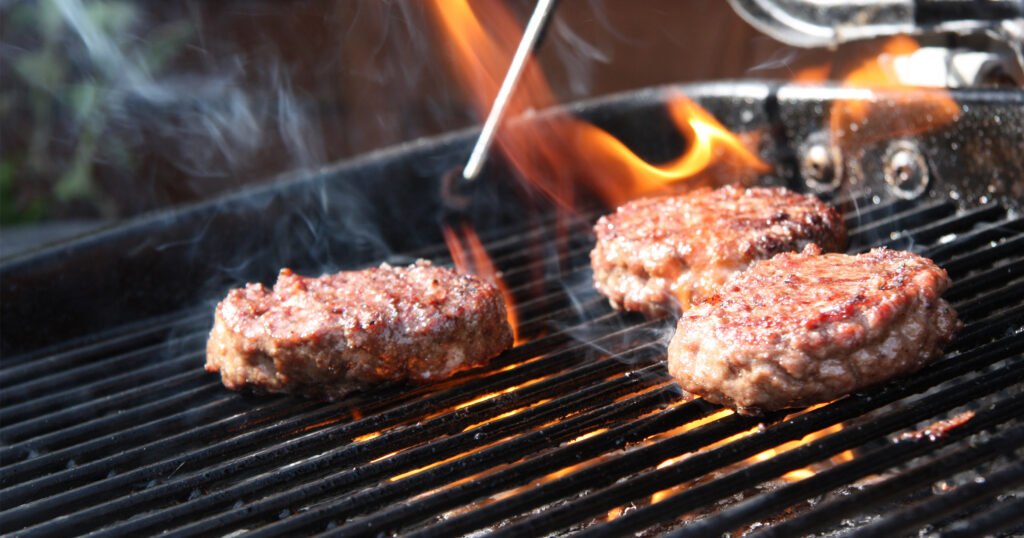
- Burgers — the crowd-pleaser. 80/20 ground beef, salt and pepper, don’t press them flat. Set out toppings and let people build their own.
- Hot dogs + sausages — the easiest option. A mix of classic dogs and good Italian sausage or bratwurst covers all tastes.
- Grilled chicken — marinate thighs (not breasts — thighs stay juicy) in Italian dressing or a simple soy-garlic marinade for an hour.
- Slow cooker pulled pork — make it the day before, keep warm in the cooker. Zero grill stress, feeds twenty.
- Ribs — impressive but fussy; only if you enjoy the process.
For vegetarians, grill portobello caps or veggie burgers alongside — brushed with oil and soy sauce, they’re genuinely good, not an afterthought.
Three Sides (Two Cold, One Warm)
Cold sides (make ahead)
- Classic coleslaw — doubles as a burger topping. Make it the morning of; it gets better as it sits.
- Pasta salad — endlessly adaptable, feeds a crowd cheaply, travels well.
- Watermelon and feta salad — the refreshing wildcard that everyone talks about.
Warm sides (day-of)
- Corn on the cob — grill in husks, 15 minutes, done. Butter and salt. Perfection.
- Baked beans — doctor up canned beans with bacon, brown sugar, and onion; keep warm in a slow cooker.
- Grilled vegetables — zucchini, peppers, onions in a grill basket with olive oil and salt.
And never underestimate chips with guacamole that stays green — it disappears faster than anything else on the table.
Dessert: Keep It Simple
Nobody wants a fussy dessert after barbecue. Winning options: watermelon slices (nature’s dessert), ice cream sandwiches from a box, a sheet-pan of brownies, or grilled pineapple with vanilla ice cream. If you’re feeling ambitious, homemade no-churn ice cream will make you a legend.
Drinks: The Cooler Strategy
Fill a big cooler with ice and stock: water bottles, a couple of sodas, lemonade, and beer/seltzers if your crowd drinks. Make one big-batch drink — lemonade, sweet tea, or sangria — in a dispenser. Don’t play bartender all afternoon; self-serve is the backyard way.
Logistics People Forget
- Shade and seating: More chairs than you think you need. A pop-up canopy if there’s no shade.
- Bug defense: Citronella candles, and keep food covered when not serving.
- Trash plan: Visible trash bags or bins, or you’ll be picking up plates from the lawn at midnight.
- Music: A Bluetooth speaker with a long playlist. Background volume, not concert volume.
- Timing: Start grilling 30 minutes before you tell people to arrive. Food ready when guests are hungry = perfect host.
The Takeaway
A great backyard barbecue is one great main, three easy sides, simple dessert, and cold drinks — plus enough seating and shade. Don’t overcomplicate it. The backyard barbecue is an American institution precisely because it’s casual. Feed people well, keep the cooler full, and let the afternoon take care of itself.
Frequently Asked Questions
How much food do I need per person at a barbecue?
Plan on 1/2 pound of meat per person (1/3 pound for burgers/hot dogs since buns fill people up), 1/2 cup each of 2-3 sides per person, and plan for 2-3 drinks per person for the first two hours plus one per hour after. It’s always better to have too much of the cheap stuff (chips, buns, soda) than to run out of the main. For 20 people: 8-10 lbs of meat, 3 large sides, and 60+ drinks. Leftovers are a feature, not a failure.
What should I serve vegetarians at a barbecue without making it awkward?
Make the vegetarian options genuinely good, not apologetic sides. Grilled portobello caps marinated in soy sauce and balsamic, veggie burgers (the newer plant-based ones grill well), grilled vegetable skewers, and corn on the cob all work. The key: cook them on a clean part of the grill or a grill mat, and don’t make a big announcement about “the vegetarian option” — just include them in the spread like everything else. A great pasta salad and baked beans round it out. Most vegetarians at barbecues are happy if there’s one solid protein and plenty of sides.
How do I keep food safe outdoors in the heat?
The two-hour rule: perishable food shouldn’t sit out more than two hours (one hour if it’s above 90°F). Practical tactics: put cold sides on trays over ice, keep the cooler closed between servings, serve in batches (put half out, refill from the cooler), and keep mayo-based salads coldest of all. Hot foods should stay above 140°F — a slow cooker on “warm” works for beans and pulled pork. When in doubt, the USDA’s food safety guidelines are the authority, and “when in doubt, throw it out” is never wrong.
What time should a backyard barbecue start?
Late afternoon — 3 or 4 PM — is the sweet spot. It gives you daylight for grilling and socializing, avoids the worst midday heat, and flows naturally into evening. Tell people to arrive 30 minutes before you plan to eat; early arrivals help set up and the grill gets going as people gather. Starting at noon means you’re grilling in peak heat and the party fizzles by 4; starting at 6 means you’re grilling in the dark.
How do you keep burgers from drying out on the grill?
Four rules: use 80/20 ground beef (the fat is flavor and moisture — lean beef makes dry burgers, period), don’t press them with the spatula (you’re squeezing out the juices — stop it), flip exactly once, and pull them at 160°F internal for food safety without overshooting. Make a thumbprint dent in the center of each patty before grilling — it prevents the puff-up that leads to overcooking the middle while waiting for the edges. Let them rest 3-5 minutes before serving so juices redistribute. And season aggressively with salt and pepper right before they hit the grill, not hours ahead (early salting draws out moisture). Juicy burgers aren’t luck; they’re technique.