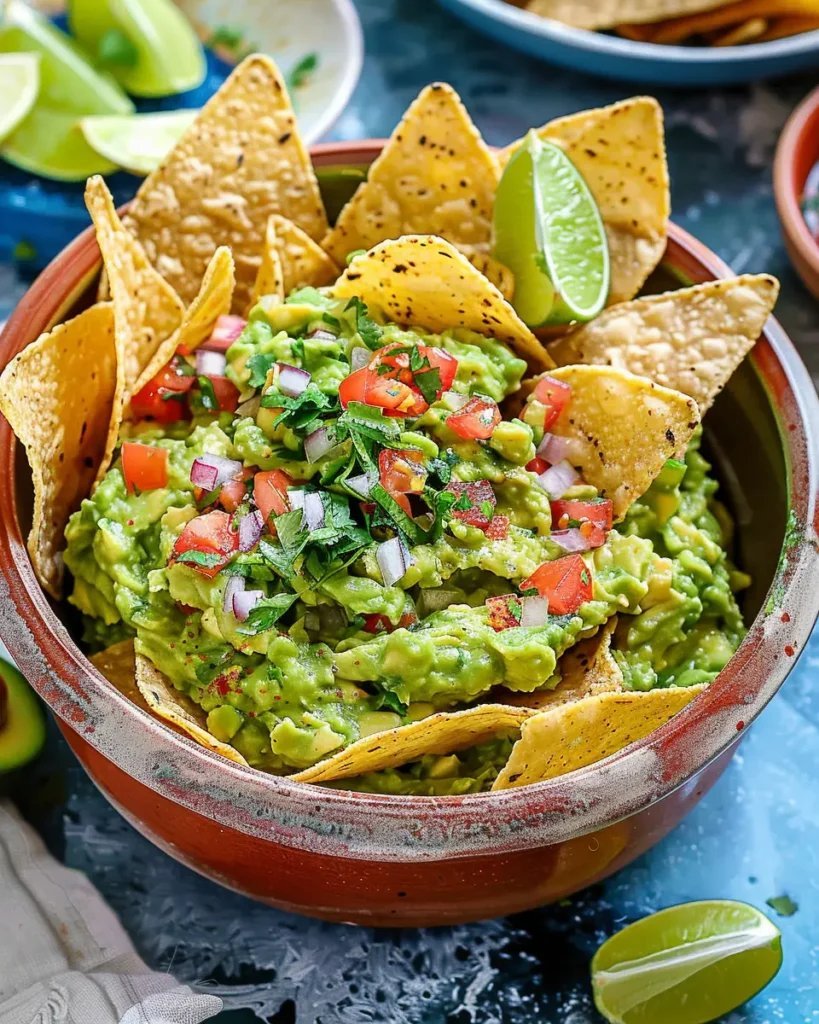
How to Make Guacamole That Does Not Turn Brown
How to Make Guacamole That Does Not Turn Brown
If you want to make guacamole that does not turn brown, the secret is limiting air exposure — browning is oxidation, the same reaction that turns a cut apple brown. Every trick that works does it by blocking air, adding acid, or both. I’ve brought guacamole to dozens of parties and tried every method: the pit trick (myth), the lemon juice trick (partially works), the water-seal trick (surprisingly effective). Here’s what actually keeps guac green, ranked by how well it works.
Why Guacamole Turns Brown
Avocados contain an enzyme called polyphenol oxidase. When the flesh is exposed to air, this enzyme reacts with oxygen and turns the surface brown. It’s purely cosmetic — brown guacamole is still perfectly safe to eat — but nobody gets excited about a brown bowl of dip. Guacamole’s history goes back to the Aztecs, who didn’t have plastic wrap but also didn’t have Instagram. We have higher visual standards now.
The Base Recipe (Start Here)
- 3 ripe avocados (yielding slightly to gentle pressure)
- 1 lime, juiced (about 2 tablespoons)
- 1/2 teaspoon salt, plus more to taste
- 1/4 cup finely diced white onion
- 1 jalapeño, seeded and minced (optional)
- 2 tablespoons chopped cilantro
- 1 small tomato, diced (optional)
Mash avocados with lime juice and salt — chunky, not smooth. Fold in the rest. Taste and adjust salt and lime. The lime juice isn’t just flavor; its acid slows the browning enzyme, buying you extra time.
Keeping It Green: What Actually Works
1. Press plastic wrap directly on the surface (best method)
The single most effective trick: lay plastic wrap directly against the guacamole, pressing out every air bubble, before putting the lid on. No air contact, no browning. This keeps guac green for a full day in the fridge. It’s unglamorous and it works better than everything else combined.
2. Extra lime or lemon juice on top
Acid slows the enzyme. Squeeze an extra half-lime over the surface before storing. It helps, but alone it only buys you an hour or two — combine it with the plastic-wrap method for best results.
3. The water seal (weird but effective)
Smooth the guac flat, pour a thin layer (about half an inch) of cold water over the top, cover, and refrigerate. Pour off the water before serving and stir. Water blocks oxygen completely. It sounds wrong; it works remarkably well for up to two days.
4. Make it fresh, right before serving
The ultimate solution: mash the avocados 15 minutes before guests arrive. Guacamole takes five minutes to make. There’s no preservation method better than freshness.
Myths That Don’t Work
- Leaving the pit in: The pit only protects the tiny spot of guac directly underneath it. Everything else browns normally. Pure myth.
- Storing with the onion: No mechanism, no effect.
- Olive oil layer: Marginally better than nothing, worse than plastic wrap, and it changes the texture.
Choosing Ripe Avocados (Half the Battle)
None of this matters with bad avocados. A ripe avocado yields to gentle palm pressure (don’t squeeze with fingertips — that bruises it) and the little stem nub pops off easily revealing green underneath. Brown under the stem means overripe. Rock-hard means 3-4 days on the counter. Buy a mix of ripe and firm so you’re covered for the week.
The Takeaway
Browning is just air meeting avocado — block the air with plastic wrap pressed on the surface (plus lime juice in the mix), and your guacamole stays green for a day. Serve it with chips alongside backyard barbecue favorites, and if you’re chopping onions for it, here’s how to do it without crying. Fresh, green, gone in minutes — that’s the goal.
Frequently Asked Questions
Is brown guacamole safe to eat?
Completely. Browning is just oxidation — the same harmless reaction that browns cut apples. It affects appearance and very slightly affects flavor (oxidized areas taste a touch bitter), but there’s zero safety issue. If the brown layer bothers you, scrape it off and the green guacamole underneath is perfect. That said, brown guacamole that’s been sitting out over two hours, smells off, or has been stored more than 2-3 days should be discarded for normal food-safety reasons, not because of the color.
How long does homemade guacamole last in the fridge?
One to two days at best, even with good storage. Guacamole is at its peak within hours of making — the texture and brightness fade noticeably by day two no matter what you do. The plastic-wrap-pressed-on-surface method keeps it green for about 24 hours; the water-seal method stretches to 48. For parties, make it the day of. Guacamole doesn’t freeze well (the texture turns watery and strange), so make only what you’ll eat.
What’s the best avocado variety for guacamole?
Hass, and it’s not close. Hass avocados have the creamy texture, nutty flavor, and high fat content that makes great guacamole — they’re also what 95% of American avocados are. Larger smooth-skinned varieties (like Florida avocados) are watery and bland by comparison; they work in salads but make disappointing guacamole. Buy Hass avocados firm and let them ripen on the counter 3-5 days, or buy them ripe (yields to gentle palm pressure) for same-day use.
Should guacamole have tomatoes and onions, or keep it simple?
This is the great guacamole debate, and honestly both are right. Traditional Mexican guacamole is often just avocado, lime, salt, and maybe chile — the avocado is the star. American-style adds onion, tomato, cilantro, and jalapeño for texture and complexity. My take: for the best avocado flavor, go simple; for a crowd-pleasing party dip, go loaded. Either way, add mix-ins gently at the end — over-mashing with chunky ingredients turns it to mush.
Can you freeze guacamole?
Yes, with caveats — plain mashed avocado freezes far better than fully-loaded guacamole. The onions, tomatoes, and cilantro turn watery and strange when frozen and thawed. The method: mash ripe avocados with lime juice and salt only, pack into freezer bags with all air pressed out, and freeze for up to 3 months. Thaw in the fridge overnight, then stir in your fresh mix-ins (onion, tomato, cilantro, jalapeño) before serving. The texture won’t match fresh-made — it’s slightly denser — but it’s dramatically better than wasting avocados. For party prep, though, fresh is still king; freeze only as a rescue strategy.
Pingback: Best Oil for Everyday Cooking: The Two-Oil Rule