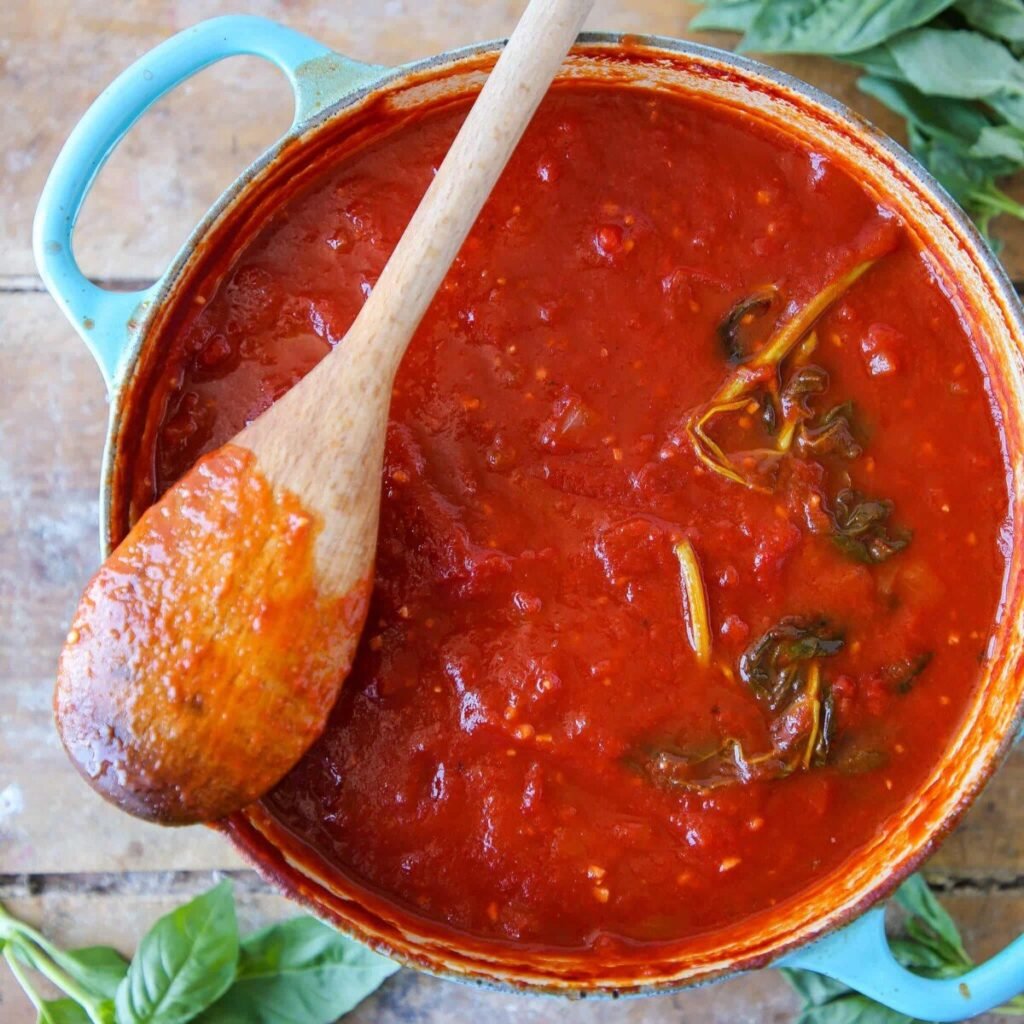
How to Make Restaurant-Style Pasta Sauce at Home
How to Make Restaurant-Style Pasta Sauce at Home
Restaurant pasta never tastes like the jarred-sauce version at home, and it’s not because of secret ingredients — it’s technique. Professional kitchens do a handful of specific things that home cooks skip, and each one is simple. Once you know them, your pasta sauce jumps two levels permanently.
Here’s the complete method, from a basic marinara to the tricks that make it taste like the trattoria.
Build the Base Right
Start with aromatics, not tomatoes. Soften diced onion in good olive oil over medium heat until translucent and sweet (8-10 minutes — don’t rush or brown it), add garlic for just the last minute (burnt garlic ruins everything), and if you want depth, add tomato paste and let it caramelize for 2-3 minutes until it darkens. That caramelized paste is concentrated umami — it’s the difference between flat and rich.
Tomatoes: canned San Marzano-style whole tomatoes, crushed by hand, beat almost every fresh tomato for sauce (unless it’s peak summer heirloom season). Simmer 25-35 minutes — long enough to meld, not so long it turns muddy. Season in layers: salt at the onion stage, again with tomatoes, adjust at the end. A pinch of sugar only if the tomatoes are acidic; a parmesan rind simmered in the sauce adds incredible savory depth (remove before serving). Finish with fresh basil off the heat — cooking basil kills its brightness.
The Pasta Water Trick (The Big One)
This is the single biggest difference between home and restaurant pasta: starchy pasta water. Before draining, scoop out a cup of the cooking water. The dissolved starch turns thin sauce into a glossy, clinging coating that wraps every strand instead of pooling at the bottom of the bowl. Restaurants do this reflexively; home cooks pour it down the drain.
The full technique: cook pasta 1-2 minutes shy of the package time (it finishes in the sauce), transfer it directly into the simmering sauce with a splash of pasta water, and toss vigorously over heat for 1-2 minutes. The pasta absorbs sauce flavor while the starch emulsifies everything into silkiness. Add a knob of cold butter or a glug of olive oil while tossing for extra gloss. Salt the pasta water aggressively — it should taste like the sea. This is the only chance to season the pasta itself.
Finishing Touches That Signal ‘Restaurant’
Plate like you mean it: twirl pasta into a nest with tongs rather than dumping, spoon extra sauce over the top (never drown it underneath), finish with freshly grated Parmigiano-Reggiano (the pre-grated shaker stuff is a different, sadder product), a drizzle of your best olive oil, cracked black pepper, and torn basil. The visual difference is immediate.
Small upgrades with outsized impact: toast the tomato paste, use bronze-die pasta (the rough surface grabs sauce — $3-4 a box, worth it), warm your serving bowls (hot pasta in a cold bowl cools fast), and never, ever rinse cooked pasta (you wash away the starch you need). For cream sauces, the same rules apply — finish in the pan with pasta water, and add cream off the highest heat to prevent splitting. Master these techniques once and every pasta you make for the rest of your life is better.
Restaurant Pasta Rules
The non-negotiables:
- Soften onions fully; caramelize tomato paste for depth.
- Use good canned tomatoes; simmer 25-35 minutes.
- Always reserve pasta water before draining — it’s liquid gold.
- Finish pasta IN the sauce for 1-2 minutes, tossing with pasta water.
- Salt pasta water like the sea; never rinse pasta.
- Grate real Parmigiano-Reggiano fresh; warm the bowls.
- Bronze-die pasta grabs sauce dramatically better.
The Bottom Line
Restaurant-style pasta sauce at home comes down to technique, not ingredients: caramelized tomato paste, proper simmering, and — above all — finishing the pasta in the sauce with starchy pasta water. These three moves transform any sauce.
Try it once with the pasta-water finish and you’ll never go back to the drain-and-dump method. It’s the smallest change with the biggest payoff in home cooking.
Beyond Marinara: Three More Sauces to Master
Once the marinara technique clicks, three more sauces use the same principles. Cacio e pepe (the Roman classic): just toasted black pepper, Pecorino Romano, and pasta water — the starch emulsifies cheese into a glossy sauce with no cream. The technique is everything: toss off the heat to prevent clumping, add pasta water gradually. Three ingredients, restaurant magic, 15 minutes. It’s the purest demonstration of the pasta-water principle.
Aglio e olio: thinly sliced garlic gently golden in olive oil (never brown — bitter), red pepper flakes, parsley, and pasta water to emulsify. Another 15-minute pantry sauce that tastes like a trattoria. The garlic must be sliced, not minced (minced burns instantly), and the oil should be your good stuff — it’s a primary flavor here. Add a squeeze of lemon at the end for brightness that cuts the richness.
And the weeknight bolognese shortcut: brown beef/pork mix deeply, add soffritto (onion, carrot, celery — finely diced), tomato paste caramelized, a splash of milk (the traditional tenderizer — it mellows acidity), and simmer 45 minutes minimum. True bolognese simmers hours, but the 45-minute version with proper browning beats any jar. Freeze it in portions — it might be the highest-value freezer meal in existence, transforming plain pasta into dinner-party food on demand.
Quick Answers
Why is my pasta sauce watery?
Usually under-reduced sauce or missing the pasta-water emulsion. Simmer longer, and always finish pasta in the sauce with starchy water.
Canned or fresh tomatoes for sauce?
Canned (San Marzano-style) win 9 months of the year — they’re picked ripe and consistent. Fresh only beats them at peak summer ripeness.
How long should sauce simmer?
25-35 minutes for marinara; 45+ for meat sauces. Long enough to meld flavors, not so long it turns muddy and loses brightness.
The pantry sauce arsenal means you’re never more than 15 minutes from great pasta. Keep always: good canned tomatoes, tomato paste in a tube (no waste versus cans), bronze-die dried pasta in 3-4 shapes, real Parmigiano-Reggiano (it keeps months refrigerated — the wedge, not the shaker), garlic, onions, olive oil (everyday plus a finishing bottle), red pepper flakes, and dried oregano. With this dozen items, you can make marinara, aglio e olio, puttanesca (add olives and capers), and arrabbiata on demand — no planning, no special shopping. The stocked pantry is the real weeknight cooking superpower; recipes are just combinations of things you already own.
Further reading: Serious Eats on pasta technique, the USDA on safe food handling.