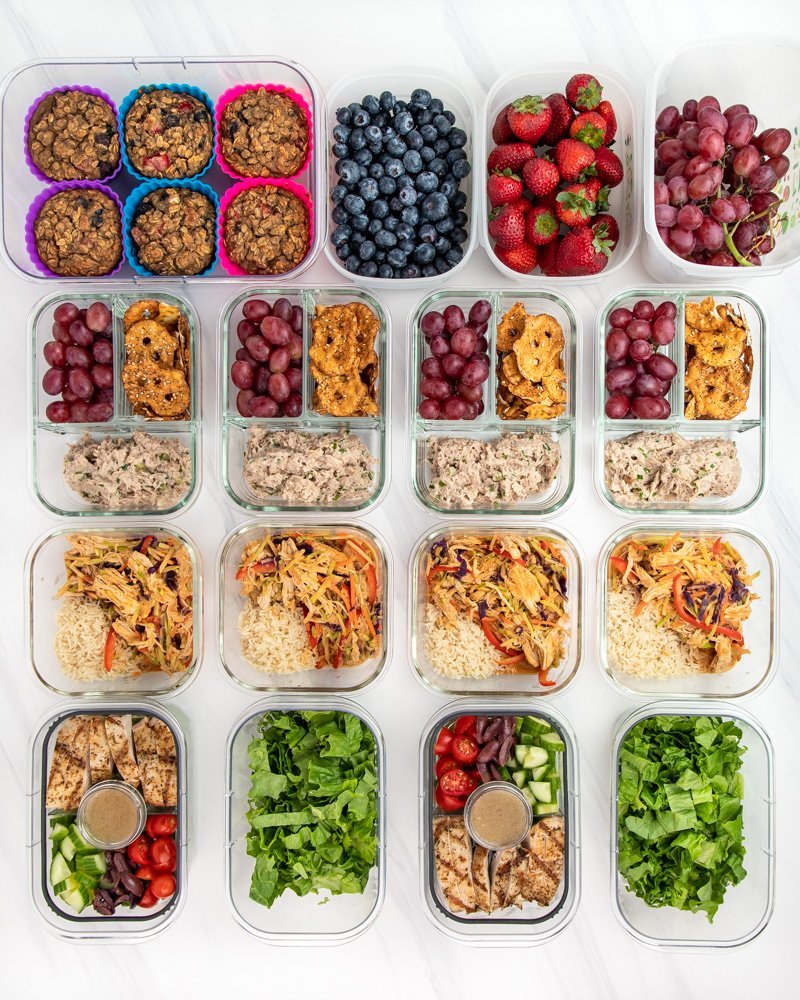
How Much Does It Cost to Meal Prep for a Week (One Person)?
How Much Does It Cost to Meal Prep for a Week (One Person)?
Meal prep promises to save money, but nobody tells you what it actually costs — and for one person, the math is trickier than for families. Bulk buying doesn’t scale down neatly, and cooking for one risks waste that eats the savings. Done right, though, a week of meal prep for one person costs $50 to $100.
Here’s the real breakdown and how to hit the low end without eating the same sad chicken five days straight.
The Real Weekly Cost Breakdown
The average single person spending on groceries runs about $250 to $350 a month, or $60 to $85 a week — and meal preppers typically land at the lower end of that because planned shopping kills impulse buys. A realistic prep week: proteins ($20 to $30 — chicken thighs, eggs, ground turkey, canned tuna), grains and starches ($8 to $12 — rice, oats, pasta, potatoes), vegetables and fruit ($15 to $25), dairy and extras ($8 to $12), and seasonings/oils amortized ($3 to $5). Total: $55 to $85 for 21 meals, or roughly $2.50 to $4 per meal.
Compare that to eating out: even cheap takeout at $12 a meal is $250+ a week for all meals. The savings are $150 to $200 a week — $8,000 to $10,000 a year. That’s not a typo. Meal prep is the highest-ROI habit in personal finance that nobody talks about at parties. The startup costs are minimal: decent containers ($25 for a set — glass lasts years), and pantry staples you build over a few weeks.
The Single-Person Challenges (and Fixes)
Challenge one: recipes serve four, and eating the same thing five days leads to food fatigue and wasted food. Fix: cook two smaller batches of different meals (e.g., a grain bowl base + a pasta dish) for variety, and embrace component prep — cook proteins, grains, and roasted veggies separately, then mix-and-match through the week into different combinations. Same ingredients, different meals.
Challenge two: produce waste. Fix: buy frozen vegetables for most cooking (nutritionally equal to fresh, zero waste, half the price), buy fresh only what you’ll eat in 3 days, and keep the “use first” items visible in the fridge. Challenge three: bulk deals that are too big. Fix: split warehouse-club purchases with a friend, or buy bulk only for non-perishables and freezer-friendly items. A $5 rotisserie chicken becomes three meals plus stock — that’s single-person bulk buying done right.
A Sample $65 Prep Week
Here’s a concrete week: Sunday, roast a sheet pan of chicken thighs ($8), cook a big pot of rice ($2), roast mixed frozen veggies ($5), hard-boil a dozen eggs ($3), and make overnight oats jars ($4). That’s lunches and breakfasts handled. Dinners: pasta with sauce and ground turkey ($10 for 3 meals), stir-fry with frozen veg and rice ($8 for 2 meals), and one flexible night (eggs, leftovers, or a $10 intentional eat-out). Snacks: bananas, apples, peanut butter ($8). Pantry amortized: $5.
Total: about $63. Time investment: 2 to 3 hours on Sunday. The trick is overlapping cooking — rice cooker running while the sheet pan roasts while eggs boil. You’re not cooking five separate meals; you’re running one coordinated session. Start with just lunches if full-week prep feels overwhelming — prepping 5 lunches saves $40+ a week alone and takes 90 minutes.
Single-Person Meal Prep Rules
Make it work:
- Budget $50-$100/week; $60-$70 is realistic for most.
- Component-prep (proteins + grains + veggies) beats single recipes for variety.
- Frozen vegetables: equal nutrition, zero waste, half the price.
- Cook 2 smaller different meals, not 1 giant batch.
- Invest in glass containers once ($25) — they last years.
- Start with lunches only if full prep overwhelms — still saves $40+/week.
- Track waste for 2 weeks; adjust quantities to what you actually eat.
The Bottom Line
Meal prepping for one person costs $50 to $100 a week — roughly $2.50 to $4 per meal versus $12+ eating out. The single-person tricks are component cooking, frozen vegetables, and right-sized batches.
Start this Sunday with just lunches. Ninety minutes of cooking buys you five days of not thinking about food — and about $200 a month back in your pocket.
Meal Prep Tools Worth Buying (and Skipping)
The meal prep industry wants to sell you a lot of gear; you need surprisingly little. Worth buying: glass containers with locking lids ($25-$30 for a 10-pack set — they last years, don’t stain, go from freezer to microwave), a good chef’s knife and cutting board (prep speed doubles with sharp tools), sheet pans (the workhorse — roast everything simultaneously), and a rice cooker ($30 — perfect rice with zero attention while you do everything else). That’s the complete kit for under $100.
Nice but optional: an Instant Pot ($80-$100 — speeds up beans, grains, and tough proteins dramatically), a food scale ($12 — portion accuracy for the macro-counters), and silicone muffin tins (portion-perfect egg bites and mini frittatas). Skip: single-purpose prep gadgets (avocado slicers, banana hangers — clutter, not help), expensive container ‘systems’ with proprietary lids (standard sizes are cheaper and replaceable), and anything marketed specifically as ‘meal prep’ at a premium — it’s regular kitchen gear with a label.
The best prep investment isn’t gear at all — it’s the routine. Same day, same time weekly; a written plan before shopping; prep to music or podcasts to make it enjoyable. People who prep consistently for 3 months report it becomes automatic — the friction disappears and the savings compound. The $100 in gear pays for itself in the first week; the habit pays for years.
Quick Answers
How long does meal prep take?
2-3 hours for a full week; 90 minutes for lunches only. Overlapping cooking (rice cooker + oven + stovetop simultaneously) is the key efficiency.
What containers are best for meal prep?
Glass with locking lids — they don’t stain or absorb odors, last years, and go from freezer to microwave safely.
How do I avoid getting bored eating the same meals?
Component prep: cook proteins, grains, and veggies separately, then combine differently through the week. Same ingredients, different meals.
The freezer-prep session, done monthly, is the force multiplier for weekly meal prep. Once a month, spend 2-3 hours on freezer cooking: double batches of chili, soup, casseroles, marinated proteins, and cooked grains, portioned and frozen flat. This creates a rotating stockpile of 10-15 emergency meals that cover the weeks when Sunday prep doesn’t happen — illness, busy periods, sheer exhaustion. The freezer stash is the difference between a resilient system and a fragile one. Label everything with contents and date, use within 3 months for best quality, and keep an inventory list on the freezer door. Future you, staring into the fridge on a chaotic Sunday night, will be profoundly grateful.
Further reading: the USDA’s MyPlate meal planning resources, FoodSafety.gov on safe meal prep storage.
Pingback: Cooking for a Picky Eater: What to Make (2026)
Pingback: Best Potluck Dishes Everyone Will Eat (2026)