Las Vegas Weekend Budget: How Much Spending Money You Need
Las Vegas Weekend Budget: How Much Spending Money You Need
How much spending money do I need for a weekend in las vegas? It’s one of the most common questions I hear — and the honest answer is simpler than you’d think.
Vegas has a unique talent: separating you from money you didn't plan to spend. I've done the $400 weekend and the $2,000 weekend, and the difference was almost entirely planning.
Here's what a weekend actually costs at three levels — excluding hotel and flights.
What actually works
Budget weekend: $300-500 spending money
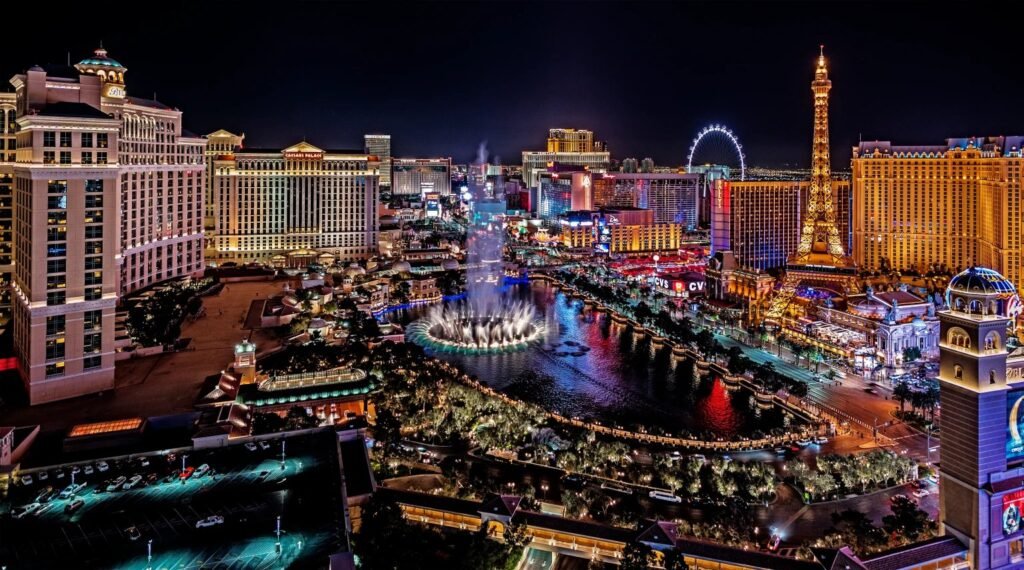
Free attractions (Bellagio fountains, Fremont Street, the Strip at night), happy-hour dining, one affordable show ($40-70), minimal gambling ($50-100 set aside as entertainment). Eat off-Strip or at happy hours; drink before you go out (Strip drinks are $15-20). This weekend is genuinely fun — Vegas's free spectacles are world-class.
Mid-range weekend: $800-1,200 spending money
Nice dinners ($60-100/person), a headline show ($100-150), dayclub or pool party, moderate gambling budget ($200-300), Ubers everywhere. This is the classic Vegas weekend — comfortable, memorable, no regrets. Most first-timers land here and have the 'real' Vegas experience.
Related reading: First Cruise? 15 Things to Know Before You Board (2026)
High-roller weekend: $2,000+
Fine dining ($150+/person), premium shows and VIP tables, bottle service ($500+), serious gambling bankroll. Only do this with money you can truly afford to lose — the house edge doesn't care about your weekend. Set the gambling budget before you go; Vegas is engineered to dissolve budgets.
The traps that drain wallets fastest
ATM fees on casino floors ($8+), 'free' drinks while gambling (they cost you in bets), resort fees you forgot to budget ($30-50/night, separate from room rate), and the 3am 'one more hand' spiral. Decide your gambling budget as cash in an envelope — when it's gone, you're done. This envelope trick has saved me hundreds.
Free and cheap: Vegas's best values
The fountains, the Fremont light show, the Flamingo flamingos, window-shopping the themed hotels, happy hours (many run 4-7pm with half-price drinks and food), and weekday prices (Sunday-Thursday is dramatically cheaper than Friday-Saturday). A Thursday arrival can cut show and dining costs 30%.
My honest take
My $400 weekend might be my favorite Vegas memory: fountains at midnight, a $45 comedy show, tacos off-Strip, and $60 of blackjack played slowly with free drinks. Vegas sells the fantasy that spending equals fun — the free stuff proved otherwise.
FAQs: How much spending money do I need for a weekend in las vegas?
Here are the questions I hear most often about this topic:
How much should I budget for gambling in Vegas?
Treat it as entertainment, not investment: $50-100 for casual play, $200-300 for a serious session. Never gamble money you need — set the limit before you go.
Are drinks really free in Vegas casinos?
While actively gambling, yes — cocktail servers circulate. Tip $1-2 per drink. The 'free' drink costs you in expected gambling losses, so pace yourself.
What's the cheapest day to arrive in Vegas?
Sunday through Thursday — hotel rates can drop 50-70% vs. weekends, and shows and dining often follow. A Thursday-Saturday trip beats Friday-Sunday on price.
The bottom line
Plan $300-500 for a fun budget weekend, $800-1,200 for the classic experience, $2,000+ for high-roller mode — plus hotel and flights. Set gambling money in a cash envelope, exploit the free attractions, and remember: Vegas is most fun when the spending is planned, not accidental.
For deeper background, check out Wikipedia's Las Vegas overview — both are solid, reputable resources worth bookmarking.
More from Daily Magazine 24
- First Cruise? 15 Things to Know Before You Board (2026)
- Find the Best Local Restaurants Abroad (Traveler's Guide)
One more thing worth knowing
Money tip that applies everywhere: notify your bank of travel dates, carry two different cards (kept separately), and keep some emergency cash hidden apart from your wallet. Card blocks from 'suspicious foreign activity' have derailed more trips than pickpockets have. A five-minute call or app notification before departure prevents the dreaded declined-card moment abroad.
One more thing worth knowing
Finally, build buffer into your itinerary — the unplanned half-day, the slower morning, the margin around connections. Rushed travel is stressed travel, and the buffer is where the magic happens: the long lunch that becomes a memory, the wrong turn that finds the viewpoint. Some of my best travel stories come from the gaps in the plan, not the plan itself.
One more thing worth knowing
One more thing: document as you go, lightly. A few notes each evening — where you ate, what surprised you, what you'd do differently — takes five minutes and becomes priceless later. Photos capture sights; notes capture feelings. Future-you, planning the next trip or just reminiscing, will be grateful for the specifics your memory will absolutely lose.
One more thing worth knowing
And remember why you're going in the first place. It's easy to turn a trip into a checklist to optimize — sights seen, photos taken, boxes ticked. But the trips I treasure most are the ones where I slowed down enough to actually be somewhere: the unhurried coffee, the long walk with no destination, the conversation with a stranger. See the sights, yes — but also just be there.
One more thing worth knowing
One thing seasoned travelers learn fast: the best trip is rarely the most expensive one — it's the best planned one. An hour of research before you go routinely saves hundreds of dollars and multiple headaches. Read recent reviews (not just the glowing ones), check seasonal quirks, and learn three local customs. Preparation doesn't kill spontaneity; it funds it, by removing the preventable disasters that eat your time and budget.
One more thing worth knowing
Here's my golden rule for any trip: plan the skeleton, leave the flesh loose. Book the non-negotiables (flights, first-night stay, must-do tickets) and leave deliberate gaps for discoveries — the restaurant you stumble into, the viewpoint a local mentions, the detour that becomes the highlight. Over-planned trips feel like work; under-planned ones waste precious days. The sweet spot is structure with breathing room.