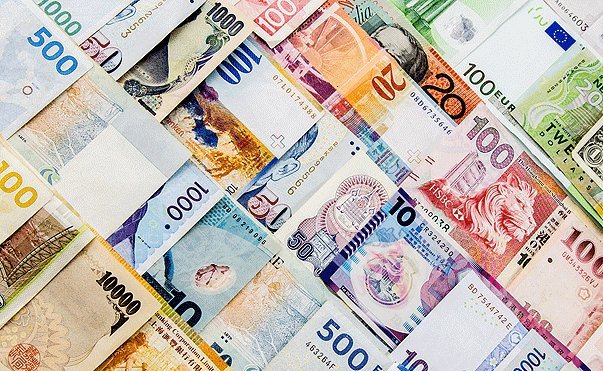
Best Way to Exchange Currency Before an International Trip
Best Way to Exchange Currency Before an International Trip
What is the best way to exchange currency before an international trip? Short answer: yes, with the right approach. Here’s the full breakdown.
I once exchanged $500 at an airport kiosk and got roughly $430 worth of euros. The kiosk kept the rest as a 'convenience fee' — the most expensive convenience of my life.
Currency exchange has a clear best-to-worst ranking. Here's how to keep your money yours.
Here’s what you need to know
Best: use ATMs abroad with a no-fee debit card
Foreign ATMs give near-interbank exchange rates — the best rate available to consumers. With a no-foreign-transaction-fee debit card (Schwab, Capital One 360), you pay essentially zero markup. Withdraw larger amounts less often to minimize any flat fees. This beats every exchange counter, every time. It's not close.
Second best: credit cards with no foreign transaction fees
For purchases, a no-foreign-fee credit card gets you the same great rate plus rewards and purchase protection. Always pay in the local currency (decline 'pay in USD' — that's dynamic currency conversion, a 3-7% hidden markup). Between no-fee cards and ATMs, you can travel nearly cash-free in most countries.
Related reading: Two Weeks, One Carry-On: The Packing System That Works
Before you go: order currency from your bank
If you want cash on arrival (smart for taxis and tips), order foreign currency from your bank 1-2 weeks ahead — rates beat airport kiosks significantly. Get a small amount ($100-200 worth); you'll use ATMs for the rest. Some banks waive fees for account holders. This is the only pre-trip exchange worth doing.
Avoid: airport kiosks and hotel exchanges
Airport exchange counters charge 7-15% in spreads and fees — the worst rates in travel. Hotel front desks aren't much better. These exist for desperate travelers; don't be one. If you land with no local cash, use the airport ATM (still far better than the kiosk 50 feet away).
How much cash do you actually need?
Less than you think: $100-200 worth for most developed countries (cards accepted nearly everywhere). More for cash-heavy destinations (Japan, parts of Southeast Asia, rural areas): $300-500. Carry a backup card separately from your wallet. The era of travelers' checks and cash belts is over — cards plus modest cash wins.
My honest take
I landed in Tokyo with ¥20,000 from my bank ($140) and used ATMs for the rest. Total exchange cost for the trip: about $4. My travel partner used airport kiosks and hotel exchanges and paid roughly $90 in hidden spreads. Same trip, same spending — $86 difference from method alone.
FAQs: What is the best way to exchange currency before an international trip?
Here are the questions I hear most often about this topic:
Should I exchange currency before I leave?
A small amount ($100-200) from your bank for arrival convenience — yes. Your full trip budget — no, use ATMs abroad for the best rate.
Is it better to pay in USD or local currency abroad?
Always local currency. 'Pay in USD' (dynamic currency conversion) adds a 3-7% markup that goes to the merchant's processor, not you.
What about prepaid travel money cards?
Generally worse than no-fee debit cards — they carry load fees, inactivity fees, and poorer rates. Skip them unless you need strict budget control.
The bottom line
Rank order: no-fee ATM withdrawals abroad, no-fee credit cards (pay in local currency), small bank order before departure. Never airport kiosks. The right method costs almost nothing; the wrong one quietly eats 10% of your spending money.
For deeper background, check out NerdWallet's currency exchange guides — both are solid, reputable resources worth bookmarking.
More from Daily Magazine 24
- Two Weeks, One Carry-On: The Packing System That Works
- Can You Drink Tap Water in Mexico? The Real Answer (2026)
One more thing worth knowing
A quick word on travel insurance, since it comes up constantly: for cheap, flexible domestic trips you can usually skip it, but for expensive or complicated itineraries it's the cheapest peace of mind in travel — typically 4-8% of trip cost. Check your credit card benefits first; many premium cards already include solid trip protection. Don't double-pay for coverage you already have.
One more thing worth knowing
Packing philosophy that changed my travel life: lay out everything you plan to bring, then remove a third. Almost everyone overpacks by 30-40%, and every extra item is weight you carry through airports, up stairs, and into taxis. The things you truly need on a trip fit in less space than you think — and anything you forget can usually be bought at your destination, often cheaper and as a fun souvenir.
One more thing worth knowing
Money tip that applies everywhere: notify your bank of travel dates, carry two different cards (kept separately), and keep some emergency cash hidden apart from your wallet. Card blocks from 'suspicious foreign activity' have derailed more trips than pickpockets have. A five-minute call or app notification before departure prevents the dreaded declined-card moment abroad.
One more thing worth knowing
Finally, build buffer into your itinerary — the unplanned half-day, the slower morning, the margin around connections. Rushed travel is stressed travel, and the buffer is where the magic happens: the long lunch that becomes a memory, the wrong turn that finds the viewpoint. Some of my best travel stories come from the gaps in the plan, not the plan itself.
One more thing worth knowing
One more thing: document as you go, lightly. A few notes each evening — where you ate, what surprised you, what you'd do differently — takes five minutes and becomes priceless later. Photos capture sights; notes capture feelings. Future-you, planning the next trip or just reminiscing, will be grateful for the specifics your memory will absolutely lose.
One more thing worth knowing
And remember why you're going in the first place. It's easy to turn a trip into a checklist to optimize — sights seen, photos taken, boxes ticked. But the trips I treasure most are the ones where I slowed down enough to actually be somewhere: the unhurried coffee, the long walk with no destination, the conversation with a stranger. See the sights, yes — but also just be there.