Lower Your Electric Bill Without Major Changes (14 Easy Wins)
Lower Your Electric Bill Without Major Changes (14 Easy Wins)
How can I reduce my electric bill without major changes? Here’s the real deal, based on what actually works rather than what sounds good.
My electric bill hit $210 last summer and I got mad enough to investigate. Turns out I didn't need solar panels or new appliances — I needed to stop paying for electricity I wasn't using.
These are the no-renovation, no-sacrifice changes that cut my bill by 18%. Most take under 10 minutes.
What really matters
Kill vampire loads with smart power strips
Devices in standby — TVs, game consoles, chargers, printers — sip power 24/7, costing the average household $100-200/year. A $25 smart power strip cuts power to peripherals when the main device turns off. I put my entertainment center on one and watched my baseline usage drop the first month. It's the closest thing to free money in home energy.
Thermostat discipline: the 3-degree rule
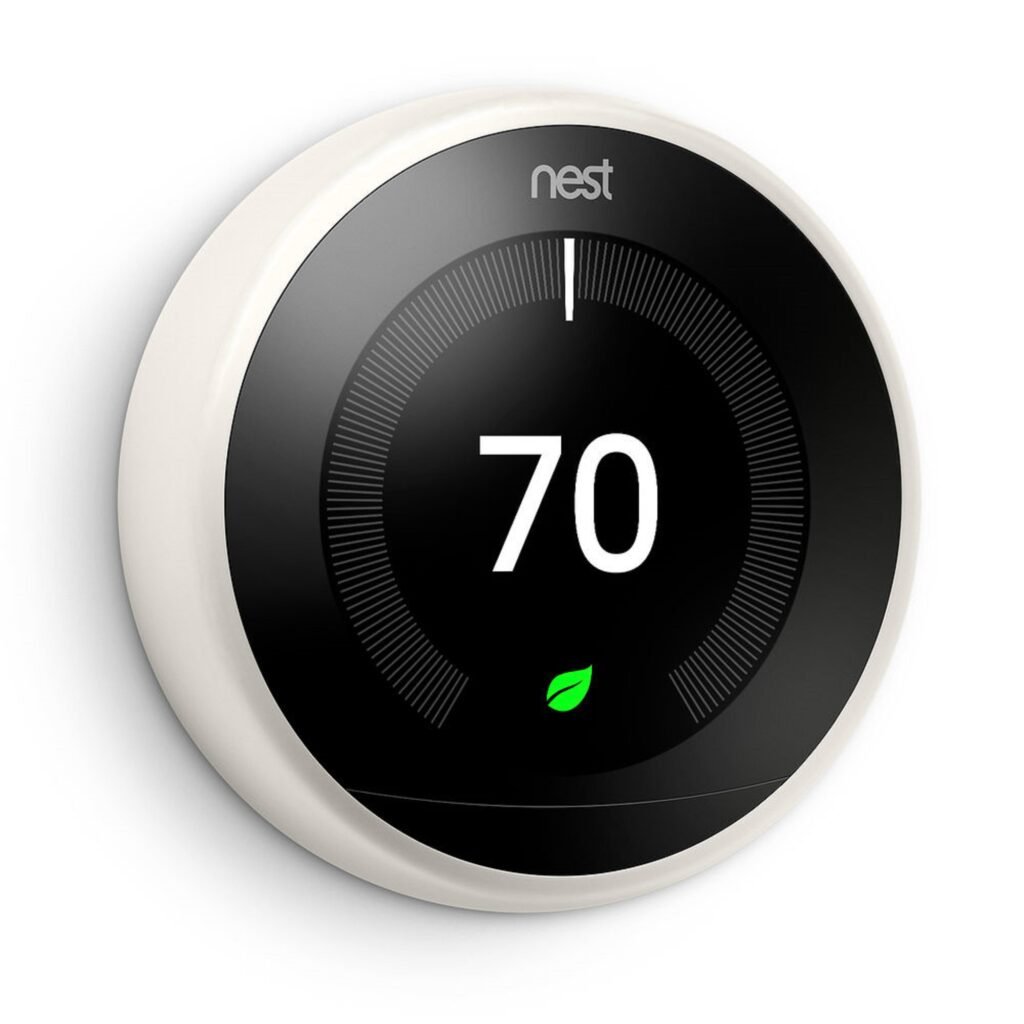
Heating and cooling are ~half your bill. Each degree you adjust toward the outside temperature saves ~3%: 78°F in summer and 68°F in winter instead of 72 year-round. A programmable thermostat ($30-50) automates it — set it and forget it. The first month I ran 78° instead of 74° in summer, I saved $24 and honestly couldn't tell the difference after day two.
Related reading: The Perfect Guest Bedroom Checklist: 15 Things Visitors Love
Switch to LEDs everywhere (seriously, everywhere)
If you still have incandescents anywhere, this is step one: LEDs use 75% less energy and last 25x longer. A $2 bulb pays for itself in months. Do the whole house in one $30 trip — closets, porch, garage, all of it. It's the highest-ROI energy upgrade that exists, and it takes an afternoon.
Wash cold, air-dry when you can
90% of washing machine energy heats the water — cold washes clean just as well with modern detergent. The dryer is one of your home's hungriest appliances; even partial air-drying (a $15 rack) cuts usage meaningfully. I switched to cold washes and line-drying half my loads: noticeable bill drop, and my clothes last longer too.
Shift big loads off peak hours
Many utilities charge 2-3x more during peak hours (typically 4-9pm). Run the dishwasher, laundry, and EV charging overnight or midday instead. Check your utility's time-of-use plan — some households save 10%+ just by shifting timing, with zero lifestyle change. My utility's app showed me my peak usage; moving two loads saved $18/month.
My honest take
The smart power strip discovery annoyed me — I'd been paying ~$150/year to keep devices in standby for no reason. Total investment for all my changes: about $80. Payback period: under three months. I wish I'd done the energy audit years ago.
FAQs: How can I reduce my electric bill without major changes?
Here are the questions I hear most often about this topic:
What uses the most electricity in a home?
Heating/cooling (~50%), water heating (~20%), then appliances, lighting, and electronics. Attack the big two first for the biggest savings.
Do unplugged chargers really waste power?
Phone chargers alone are trivial, but the cumulative standby load of a modern home (TVs, consoles, cable boxes, printers) is significant — hence the smart strips.
Will my utility do a free energy audit?
Many do! Check your utility's website — free or subsidized home energy audits are common and often reveal your specific biggest wasters.
The bottom line
Smart strips for vampire loads, thermostat discipline, LEDs everywhere, cold washes, and off-peak timing. No renovations, no sacrifice, ~$80 in supplies, and a 10-20% smaller bill. Your utility company won't suggest this — but your wallet will thank you.
For deeper background, check out the Department of Energy's Energy Saver hub — both are solid, reputable resources worth bookmarking.
More from Daily Magazine 24
- The Perfect Guest Bedroom Checklist: 15 Things Visitors Love
- How Much Should You Budget for Monthly Self-Care? (2026)
One more thing worth knowing
Finally, give any change a fair trial before judging it. Three weeks is my minimum — the first week you're fighting old habits, the second you're adjusting, and only in the third do you see the real payoff. I've almost abandoned routines on day five that became favorites by day twenty. Commit to the trial period upfront, evaluate honestly at the end, and keep what earns its place.
One more thing worth knowing
One more practical note: take a 'before' snapshot — a photo, a quick note about how things feel now. We adapt to improvements fast and forget how far we've come, which makes it tempting to abandon systems that are quietly working. Six months from now, that before-photo will remind you why you started. Progress you can see is progress you'll protect.
One more thing worth knowing
And if you take one mindset shift from all of this, let it be this: small, consistent beats big and occasional in every domain I've ever tested it. Ten minutes daily outperforms a monthly marathon. One habit at a time outperforms twelve resolutions. The tortoise doesn't just win the race — the tortoise is the only one still running in year two.
One more thing worth knowing
One thing I've noticed after years of tweaking my own routines: the best system is the one you'll actually maintain on your worst week, not your best one. Grand plans collapse under real life — kids get sick, work explodes, motivation evaporates. So whatever you take from this guide, shrink it down to the smallest version you could do exhausted on a Tuesday night. If that tiny version still helps, you've found your keeper. You can always scale up later; you can't scale up from quitting.
One more thing worth knowing
It's also worth saying: don't try to implement everything at once. Pick the one tip that resonated most and do just that for two weeks. I call it the 'one-thing rule,' and it's how I've built every lasting habit I have. Our brains rebel against overhauls but accept single tweaks gracefully. Two weeks from now, add tip number two. In three months you'll have transformed the whole area without ever feeling overwhelmed — slow change is the only change that sticks.