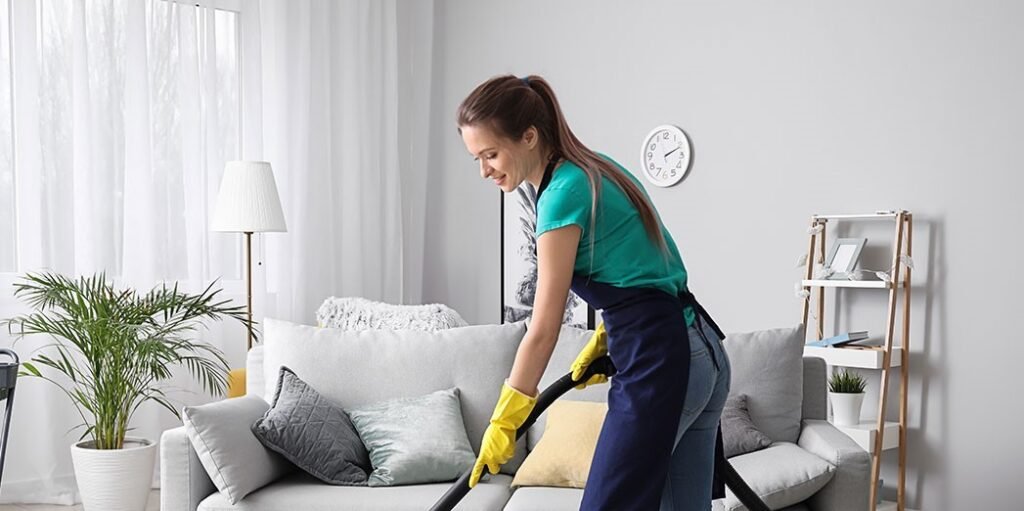
House Cleaner Costs in 2026: What You’ll Actually Pay Monthly
House Cleaner Costs in 2026: What You'll Actually Pay Monthly
How much does it cost to hire a house cleaner monthly? Short answer: yes, with the right approach. Here’s the full breakdown.
I resisted hiring a house cleaner for years because it felt like a luxury I hadn't earned. Then I calculated what my weekends were worth, got a quote, and realized I'd been wrong about both the cost and the category.
Here's what monthly cleaning actually costs in 2026, what drives the price, and how to get the most for your money.
Here’s what you need to know
Expect $120-250 per visit for most homes
For a typical 1,500-2,500 sq ft home, a standard monthly clean runs $120-250 per visit in most US markets. Studios and one-bedrooms often land $90-150; large homes can hit $300+. Big coastal cities run 20-30% higher. Monthly service is usually cheaper per visit than one-time deep cleans, which run $200-400+ because of the extra labor.
Frequency changes the math more than you'd think
Biweekly ($100-200/visit) is the sweet spot most cleaners recommend — the home never gets bad enough to need deep-clean pricing. Monthly is fine for tidy households. Weekly is luxury-tier and priced accordingly. Ask for quotes at two frequencies; the per-visit discount for biweekly is often 10-15%.
Related reading: Making Friends as an Adult in a New City: What Actually Works
Know what's included — and what costs extra
Standard cleans cover bathrooms, kitchen surfaces, dusting, vacuuming, mopping, and mirrors. Extras that bump the price: inside oven/fridge ($25-50 each), laundry, windows, pet hair deep-treatment. Get the checklist in writing before the first visit. My cleaner charges $30 extra for inside the fridge, which I happily pay twice a year and skip otherwise.
Independent cleaners vs. services: the real tradeoff
Independent cleaners run 20-30% cheaper ($25-45/hour) and you get the same person every time — but you're the backup plan if they're sick, and vetting is on you. Services ($40-70/hour) cost more but handle substitutes, insurance, and background checks. I went independent via referrals and verified insurance myself; it's been great, but the first hire took real legwork.
The 'worth it' test: price your own hour
Take the monthly cost and divide by the hours you'd spend cleaning. If a $160 monthly clean saves you 6 hours, you're paying ~$27/hour for your weekend back. If you earn more than that — or would simply rather live — the math usually favors hiring. For me, buying back two Saturday mornings a month was the easiest money decision I've made.
My honest take
I started with a one-time deep clean ($280, worth every penny as a reset) then moved to monthly maintenance at $150. The deep clean first is my top tip — it lets the recurring visits stay quick and cheap instead of playing catch-up forever.
FAQs: How much does it cost to hire a house cleaner monthly?
Here are the questions I hear most often about this topic:
Should I tip my house cleaner?
For recurring service, a holiday bonus (one visit's cost) is customary. For one-time cleans, 10-20% is appreciated. Cash is king.
Do I need to be home?
No — most clients aren't. You'll arrange key or code access after trust is established. Be home for the first visit to walk through priorities.
What should I do before the cleaner arrives?
Pick up clutter and put away valuables. Cleaners clean; they shouldn't have to organize your stuff first (some charge extra if they do).
The bottom line
Budget $120-250 per monthly visit for a typical home, start with a deep clean, and get the included-tasks list in writing. Run the hourly math on your own time — for most busy people, it's the best money they spend all month.
For deeper background, check out NerdWallet's household budget guides — both are solid, reputable resources worth bookmarking.
More from Daily Magazine 24
- Making Friends as an Adult in a New City: What Actually Works
- How to Plan a Staycation That Feels Like a Real Vacation
One more thing worth knowing
One thing I've noticed after years of tweaking my own routines: the best system is the one you'll actually maintain on your worst week, not your best one. Grand plans collapse under real life — kids get sick, work explodes, motivation evaporates. So whatever you take from this guide, shrink it down to the smallest version you could do exhausted on a Tuesday night. If that tiny version still helps, you've found your keeper. You can always scale up later; you can't scale up from quitting.
One more thing worth knowing
It's also worth saying: don't try to implement everything at once. Pick the one tip that resonated most and do just that for two weeks. I call it the 'one-thing rule,' and it's how I've built every lasting habit I have. Our brains rebel against overhauls but accept single tweaks gracefully. Two weeks from now, add tip number two. In three months you'll have transformed the whole area without ever feeling overwhelmed — slow change is the only change that sticks.
One more thing worth knowing
A quick word on perfectionism, because it derails more good intentions than laziness ever does. You don't need the perfect version of this — you need the done version. The slightly messy attempt beats the flawless plan that never leaves your head. I've seen people research the ideal approach for months while doing nothing; meanwhile the person who just started imperfectly is already reaping benefits. Start ugly, refine later.
One more thing worth knowing
If you live with other people, get them on board early — not with a lecture, but by making the new way easier than the old way. Systems that depend on everyone caring equally will fail; systems where the right choice is the lazy choice succeed. Put the thing where it belongs, remove friction from the good habit, add friction to the bad one. Design beats discipline, especially in shared spaces.