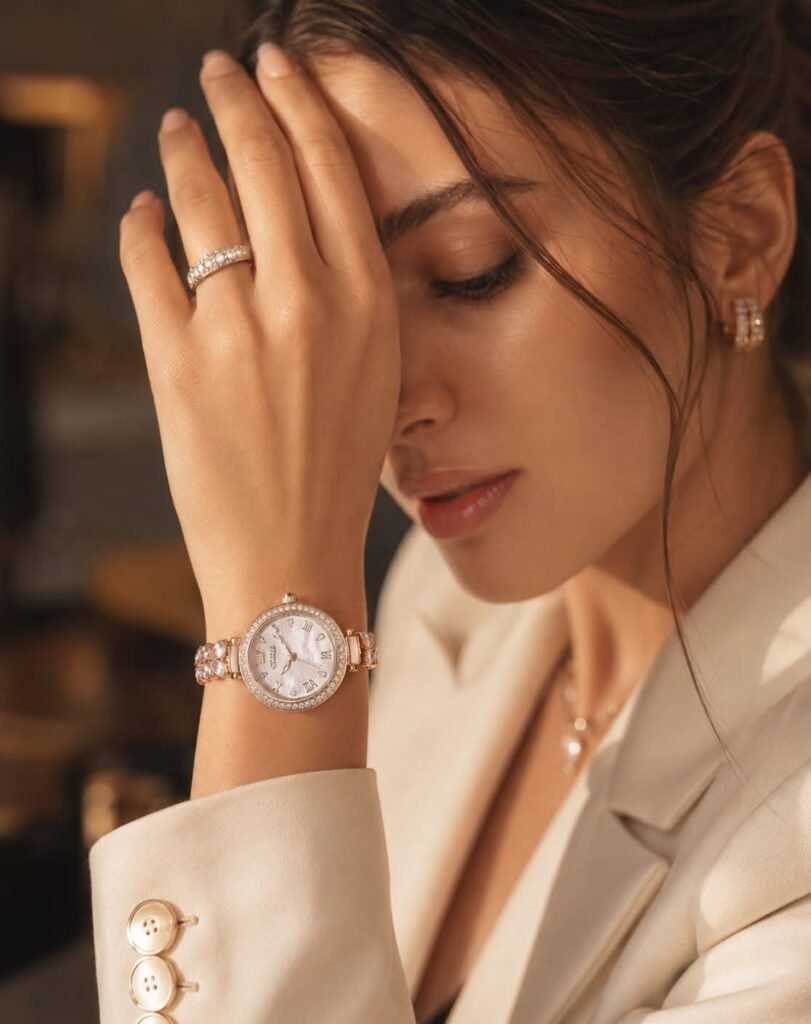
Watch Styles That Work for Casual and Formal Outfits
Watch Styles That Work for Casual and Formal Outfits
The dream: one watch that works with a suit at a wedding and jeans on the weekend. The reality: most watches lean hard one way — chunky divers scream casual, slim dress watches whisper formal. But a middle category exists, and it’s the smartest watch purchase most people can make.
I’ve worn one watch through job interviews, vacations, and black-tie events. Here’s what makes a watch genuinely versatile — and the specific styles that pull it off.
What Makes a Watch Versatile
Four attributes determine versatility. Size: 38–42mm case diameter suits most wrists and reads neither dainty nor aggressive — the middle ground that works everywhere. Larger (44mm+) skews sporty; smaller (<36mm) skews dressy. Thickness matters too — slim enough (under ~11mm) to slide under a shirt cuff, substantial enough to hold presence with casual wear.
Dial simplicity: clean dials with minimal complications bridge contexts. A simple three-hander or date-only dial works formally; chronographs and busy dials lean sporty. Color: white, silver, cream, or black dials are the versatile core — they match everything. Loud colors and patterns commit to casual.
Strap strategy: this is the versatility cheat code. A watch on a quality leather strap dresses up; the same watch on a NATO, rubber, or steel bracelet dresses down. Quick-release spring bars ($10 tool, five-minute swap) effectively give you multiple watches. The most versatile purchase is a versatile watch head plus two straps.
Which Watch Styles Work for Both Casual and Formal Outfits? The Winners
The field watch: originally military, now the versatility champion. Clean dial, 38–40mm, legible numerals, rugged but refined — Timex Expedition to Hamilton Khaki Field spans $50 to $700 of the same winning formula. Works with everything from suits (the smaller, cleaner versions) to hiking gear.
The minimalist dress-casual (the ‘Daniel Wellington’ category, but better): slim case, clean dial, leather strap — MVMT-style aesthetics from quality makers like Timex Marlin, Seiko, or Tissot. Reads polished with a suit, effortless with a sweater. The danger is going too thin/delicate — keep some wrist presence.
The restrained diver: not the chunky 44mm beasts, but slim divers like the Seiko 5 Sports (38mm versions) or Christopher Ward’s smaller models. Water-resistant, steel bracelet, clean enough for business casual, sporty enough for weekends. The bracelet-to-leather strap swap extends the range further.
The classic steel sports watch: the Rolex Datejust/Oyster Perpetual archetype — and its affordable homages. Fluted or smooth bezel, Jubilee or Oyster bracelet, date window. This category was literally designed as the one-watch solution, and it remains the answer if budget allows. Tissot PRX and similar integrated-bracelet designs offer the look accessibly.
Styles That Don't Bridge (Know the Limits)
Full dress watches (ultra-thin, small, leather-only, no lume): beautiful with suits, lost with jeans — they lack the presence casual wear needs. True tool watches (G-Shock, massive divers, pilot chronographs): great casually, wrong at formal events — they shout over a suit instead of complementing it.
Smartwatches: the modern dilemma. An Apple Watch with a leather band passes at business casual; at true formal events it’s still a small computer on your wrist. If formal events matter in your life, the one-watch answer probably isn’t smart — or own a traditional watch for those occasions.
Fashion watches (huge logos, trendy colors, novelty shapes): they date fast and commit to casual. The versatility play is always classic over trendy — trends are the opposite of bridge pieces. When choosing, the Hodinkee watch guides watch guides compare specific models’ versatility well.
Buying the One Watch: Practical Advice
Set the budget honestly: $100–$300 buys excellent versatile watches (Seiko, Timex, Citizen, Casio’s better lines) that last decades with servicing. $500–$1,500 (Tissot, Hamilton, Longines, Christopher Ward) buys Swiss/Japanese movements, sapphire crystals, and heirloom potential. Beyond that, you’re buying horology passion — wonderful, but not necessary for versatility.
Try on wrists, not screens: lug-to-lug distance matters more than case diameter for fit — long lugs overhang small wrists regardless of the 40mm spec. The watch should sit centered, not slide, with the strap snug enough that the watch back touches skin consistently. Photos lie about wrist presence; mirrors don’t.
Buy the strap set at purchase: one leather (brown or black — match your shoes/belt family), one casual (NATO, perlon, or rubber). Two straps, one watch, every context covered. And service mechanicals every 5–7 years ($150–$300) — a maintained watch outlives its owner; a neglected one doesn’t. For coordinating metals across accessories, see our guide to GQ's watch coverage.
The Second Strap: Changing the Look in Minutes
The quick-release strap is the versatility multiplier most watch owners ignore. With $10 spring-bar tools and 5 minutes of practice, you can swap straps yourself — no jeweler needed. The transformation is dramatic: the same watch head on brown leather reads boardroom; on a gray NATO reads weekend; on steel reads somewhere between. Three straps, three watches, one purchase.
The strap wardrobe: start with the two essentials — a quality leather strap (brown or black, matching your shoe/belt family) and a casual option (NATO, perlon, or rubber). Add a steel bracelet later if the watch supports it (the dressiest casual option, and the most durable). Match strap width to the lug width exactly (measure in millimeters — 20mm lugs need 20mm straps), and keep the strap proportional to the watch head.
Care extends strap life enormously: leather straps hate water (swap to NATO or rubber for swimming, rain, and workouts — sweat kills leather straps fastest), rotate between straps to let each dry fully, and condition leather straps occasionally like any leather good. A $30 strap maintained well outlasts a $100 strap neglected. The watch head lasts decades; the straps are the consumables — budget accordingly.
The Takeaway
38–42mm, clean dial, versatile color, plus two straps (leather + casual) = one watch for everything. Field watches and restrained steel sports models are the champions.
Buy classic, fit the wrist not the spec sheet, and maintain it. The one-watch collection is the most elegant collection.