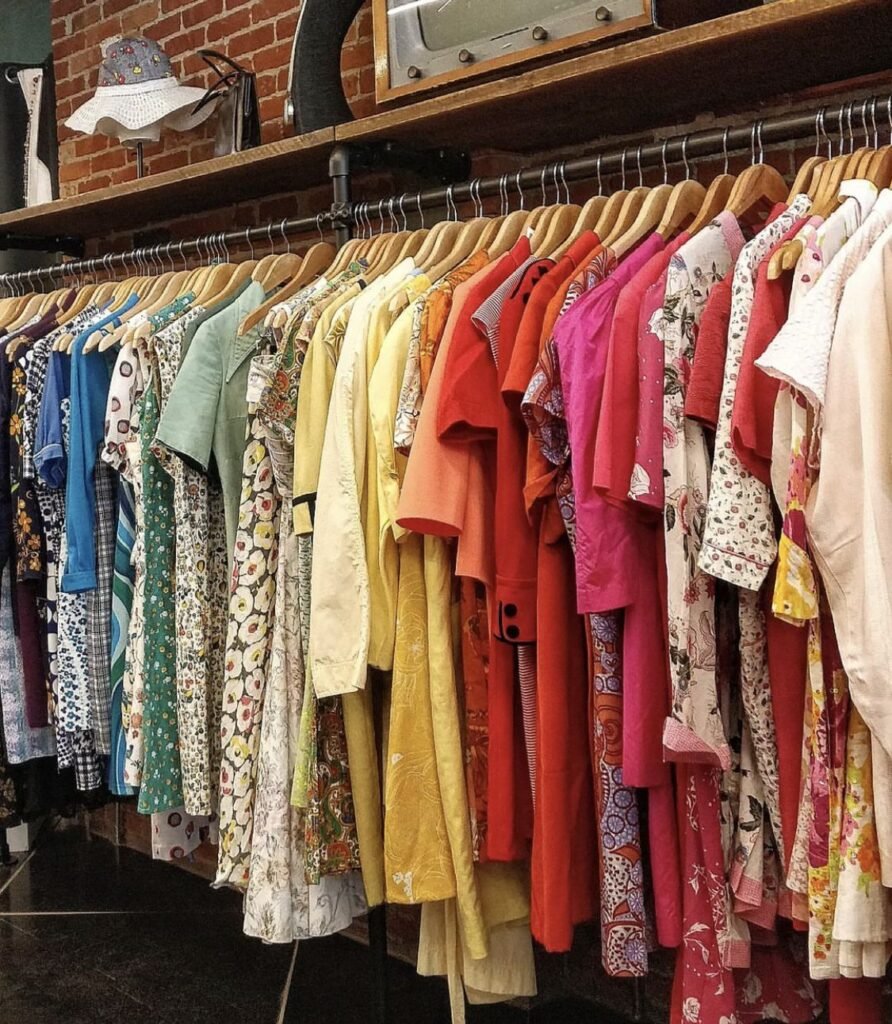
How to Spot Quality at the Thrift Store: Expert Guide
How to Spot Quality at the Thrift Store: Expert Guide
Thrift stores are treasure hunts where the treasure is real — quality wool coats, silk blouses, leather bags — buried among fast-fashion castoffs. The difference between thrifting frustration and thrifting triumph is knowing how to assess quality in about thirty seconds per item.
I’ve thrifted for over a decade, and the skill is entirely learnable: a checklist of physical tells that reveal construction quality regardless of brand. Here’s the expert’s eye, distilled.
The Fabric Test: Touch Tells the Truth
Pick it up and feel: quality fabrics have weight, density, and a certain ‘hand’ — wool feels springy, silk feels cool and fluid, good cotton feels substantial. Thin, flimsy, or plasticky-feeling fabric is the fastest quality tell; fast fashion’s cost-cutting shows first in fabric weight. Do the scrunch test: crush a corner in your fist for five seconds — quality fabric springs back; cheap fabric stays wrinkled.
Check the fabric content label (legally required in the US — its absence is itself a red flag): natural fibers (wool, silk, cashmere, linen, cotton) and quality blends signal better garments. ‘100% polyester’ isn’t automatically bad (quality poly exists), but combined with light weight and low price, it’s the fast-fashion signature. Look for linings in jackets and coats — lined garments cost more to make and signal quality intent.
Check for wear: hold up to light for thinning, check high-friction areas (underarms, seat, elbows, collar) for wear-through, and look for pilling (some pilling is fixable with a shaver; heavy pilling on non-knits suggests low-quality fiber). Smell it — mustiness often washes out, but smoke and mildew sometimes don’t.
How Can I Tell if a Thrift Store Find Is Good Quality? The Construction Checks
Seams: turn it inside out. Quality garments have finished seams (French seams, bound edges, or serged neatly) — raw, fraying edges scream cheap. Check seam allowances (generous = quality, lets out for alterations), straight stitching (wobbly lines = rushed manufacturing), and reinforced stress points (bartacks at pockets, sturdy buttonholes).
Details: buttons should be sewn tightly with shanks or secure stitching (wiggle them — loose buttons on the rack mean cheap thread or worn garment); zippers should be metal or quality plastic that glides smoothly (test every zipper — replacements cost $25+); hems should be even and secure; patterns should match at seams (plaids aligning at shoulders and pockets = careful, expensive manufacturing).
Structure: blazers and coats should have canvassing or fusing that feels smooth (bubbling = delaminating fusing, walk away), lapels should roll cleanly, and shoulders should hold their shape on the hanger. Pick up the garment — quality has heft from interfacings, linings, and fabric weight. If a ‘wool coat’ feels like a windbreaker, trust the scale over the label.
Labels and Brand Intelligence
Read every label: content, care, and brand. Certain labels are thrift gold — quality makers whose construction survives decades: Brooks Brothers, Burberry, Aquascutum, Pendleton, Harris Tweed, Hermès scarves, quality Italian makers. Learn your local store’s donor demographics — affluent-area stores receive better brands consistently.
But brand isn’t everything: diffusion lines (e.g., ‘X for Target’) trade on names with cheaper construction — check the actual garment, not the label prestige. And some no-name vintage is superbly made — mid-century garments were often constructed better than modern designer pieces. Judge the item in your hands; use brand as a hint, not a verdict.
Country of manufacture hints at era and sometimes quality (Italian/English/French tailoring traditions, Japanese denim), but it’s not destiny — excellent garments come from everywhere now. Date the piece roughly by labels and union tags if you’re into vintage; it helps you recognize when ‘old’ means ‘well-made era’ versus just old.
The Thrift Decision Framework
Run the checks in order: fabric feel → construction inspection → wear/damage assessment → fit potential. Then ask the four questions: Does it fit now, or need cheap alterations? (Hemming: yes. Shoulders: no.) Is the price right for the quality? (A $40 thrifted coat should be $40-good, not just better than the $8 rack.) Will I actually wear it? (The thrift ‘deal high’ causes more unworn purchases than any sale.) Can I clean/repair it? (Stains, missing buttons, odors — price the fix.)
Know your personal thrift categories: the items where thrift beats retail for you (for most: wool coats, blazers, silk blouses, leather goods, quality denim) versus where retail wins (undergarments, athletic shoes, anything needing precise fit in cheap fabrics). Specialize your hunting — experts thrift categories, dabblers browse everything.
And the golden rule: the best thrift find is the one you’ll wear constantly. A $100 thrifted designer piece worn twice loses to a $12 perfect-fit sweater worn fifty times. Quality matters, but wearability decides. For making thrifted finds look their best, see our guide to Goodwill store locator.
The Best Days and Times to Thrift
Thrifting has a rhythm, and timing matters. Best days: weekdays, especially Tuesday through Thursday — new donations get processed and shelved continuously, and weekend crowds haven’t picked through them yet. Many stores restock heavily on Mondays after weekend donation rushes, making Tuesday morning prime time. Avoid Saturday afternoons (picked over, crowded) unless you enjoy the chaos.
Learn each store’s markdown system: most thrift chains use colored tags with rotating discount schedules (e.g., ‘blue tags 50% off this week’). Shopping the discount color stretches your budget enormously — a $12 tag at 50% off is $6 for the same item. Ask staff about the rotation; they’re usually happy to explain, and regulars plan visits around it.
Seasonal timing is the advanced play: shop winter coats in spring (donated during closet cleanouts, deeply discounted, no competition), summer clothes in fall, and formal wear in January (post-holiday donations flood the racks). Buying off-season feels odd and saves enormously. And the estate-sale overlap: when thrift stores in affluent areas receive estate donations, quality spikes for days — the regulars know, and now you do too.
The Takeaway
Feel the fabric, inspect inside-out seams, test zippers and buttons, check for wear, read labels — thirty seconds per item separates treasure from trash.
Thrift your strong categories, know your alteration limits, and buy for wearability over labels. The expert eye is just a checklist practiced until it’s instinct.