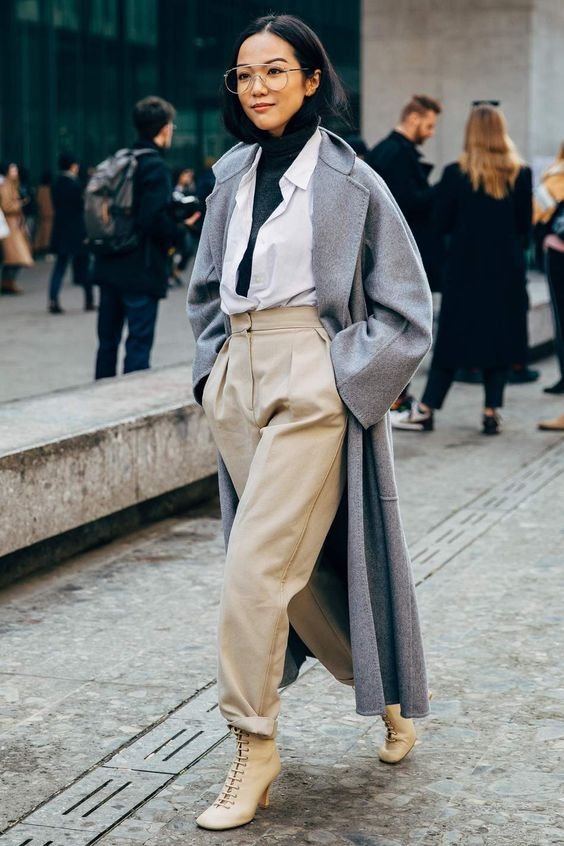
How to Layer for Cold Weather Without Looking Bulky
How to Layer for Cold Weather Without Looking Bulky
The cold-weather dilemma: pile on enough to stay warm and you look like a marshmallow; dress sleek and you freeze. But stylish winter dressing isn’t about choosing between warmth and silhouette — it’s about layering smarter, not thicker.
I’ve survived proper winters while refusing to look like an expedition, and the secret is a system: thin technical layers doing the warming, with one structured outer layer doing the looking-good. Here’s how it works.
The Thin-Layer System
The core principle: multiple thin layers trap more warm air than one thick layer, and they lie flatter. The system has three parts. Base layer: moisture-wicking thermal (merino wool or synthetic, $25–$50 — Uniqlo Heattech is the budget legend). It sits against skin, moves sweat away, and adds serious warmth at almost zero bulk.
Mid layer: insulation — a thin down vest or sweater, fleece, or cashmere crew. This is the warmth engine; thin down (packable vests and sweaters) gives extraordinary warmth-to-bulk ratio. Outer layer: the structured piece — wool coat, parka, or blazer — which provides wind protection and the silhouette. Wind is the real enemy; a windproof outer over thin layers beats a bulky non-windproof coat.
The result: three thin layers under a fitted coat are warmer and sleeker than one giant sweater under a puffer. Each layer should be slightly looser than the one beneath — base fitted, mid relaxed, outer structured. No single layer should fight the others.
How Do I Layer Clothes for Cold Weather Without Looking Bulky? Fabric Choices
Fabric is the anti-bulk weapon. Merino wool base layers: warm, thin, odor-resistant, and they don’t add visual volume. Cashmere mid-layers: warmer than wool at the same thickness — a thin cashmere sweater out-warms a chunky acrylic one while lying flat. Thin down: the warmth-to-weight champion for mid-layers.
Avoid bulk-builders: chunky cable knits (beautiful, bulky — wear them as the visible layer, not under things), thick fleece under fitted coats (use thin fleece or save it for casual), and multiple heavy cottons (cotton’s a poor insulator that adds volume without warmth). One chunky piece per outfit max — let it be the star, with thin layers beneath.
The sleek-looking fabrics: ponte, scuba knits, and stretch wools hold structure without bulk; silk and synthetic thermals disappear under everything; leather and faux-leather leggings add warmth as a mid-layer leg option that looks streamlined. Tights + socks + boots: layered leg warmth that’s invisible.
Proportion Tricks That Keep You Sleek
Define the waist: belted coats, half-tucked tops, or a visible waistband break up the column of layers and prevent the shapeless look. Even with three layers, a defined waist reads ‘styled’ while an undefined one reads ‘bundled.’ A coat with a belt or a blazer over layers works wonders.
Vary the lengths: layers peeking at different hemlines (shirt below sweater, sweater below coat) look intentional and add vertical interest. Monotonous same-length layers look bulky; staggered lengths look designed. Show some ankle or wrist — a glimpse of skin (or a slim boot) at the extremities keeps the outfit from reading as one solid mass.
Go monochrome or tonal: one color family head-to-toe (all black, camel tones, navy + gray) creates an unbroken vertical line that reads slim regardless of layers. Contrasting colors chop the silhouette and emphasize each layer’s edge. Dark colors recede; the all-dark winter outfit is sleek for optical reasons, not just aesthetic ones. The Who What Wear's layering guide winter layering editorials demonstrate these proportions beautifully.
The Practical Details
Neck solutions: a thin merino neck gaiter or sleek scarf adds major warmth (huge heat loss from the neck) without the bulk of a chunky knit — though a beautiful chunky scarf as the statement piece works if everything else is thin. Turtlenecks as base layers eliminate the scarf question entirely.
Don’t forget extremities: warm socks (merino hiking socks in boots — invisible, transformative), thin glove liners under nicer gloves, and a hat (you lose meaningful heat from an uncovered head, and hats complete winter outfits visually). Cold hands and feet make your whole body feel colder — addressing them lets you wear less bulk elsewhere.
Indoor-outdoor strategy: buildings overheat in winter, so design layers to shed — the outer coat comes off, the blazer or sweater stays polished. Avoid the base-layer-so-thick-you-sweat-indoors trap; you should be comfortable in just base + mid indoors. And keep a packable down vest in your bag — the emergency warmth layer that weighs nothing and rescues under-dressed days. For choosing the outer layer itself, see our guide to REI's layering basics.
Kids and Layering: The Same System, Smaller
Children lose heat faster than adults (higher surface-area-to-mass ratio) and complain less articulately — so the layering system matters more for them, with adjustments. The kid version: moisture-wicking base layer (kids sweat then chill fast — cotton base layers are the classic mistake), insulating mid (fleece or thin down — warm without restricting playground movement), and a windproof/waterproof outer (the shell matters most — wind cuts through everything else).
The practical differences: skip scarves for young kids (strangulation hazard on playground equipment — use neck gaiters instead), mittens beat gloves for warmth (fingers share heat), and boots must be waterproof with room for thick socks (tight boots restrict circulation and make feet colder). Label everything — the school lost-and-found is where unlabeled winter gear goes to die.
Teach the system early: kids who learn ‘base, warm, shell’ dress themselves sensibly for life. And the car-seat rule that surprises parents: bulky coats in car seats are dangerous (the harness can’t tighten properly on compressed puff) — use thin fleece in the seat and put the bulky coat on over the harness, or blanket over the buckled child. Safety first, warmth second, style a distant third — for kids, that’s the correct priority order.
The Takeaway
Thin technical base + insulating mid + structured windproof outer = warm and sleek. Define the waist, stagger lengths, and go tonal.
Warmth comes from trapped air between thin layers, not from one thick one. Layer like an onion, look like yourself.