Are Designer Handbags a Good Investment? Honest Math
Are Designer Handbags a Good Investment? Honest Math
Every few years, headlines declare that Hermès Birkins outperform the S&P 500. Suddenly everyone wants to know: should I buy a designer bag as an investment? It’s a seductive idea — wealth you can carry.
I’ve followed the resale market for years, and the truth is spikier than the headlines. A tiny number of bags genuinely appreciate; most designer bags depreciate like cars. Here’s the honest math.
Which Bags Actually Hold Value
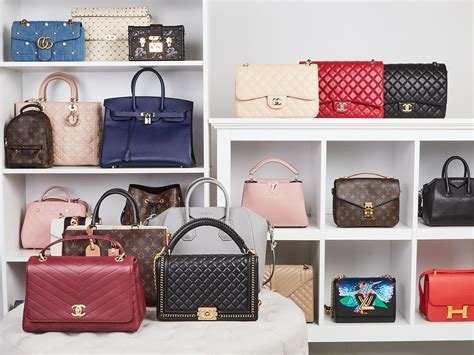
The investment-grade tier is brutally narrow: Hermès Birkin and Kelly (especially in classic colors and leathers), Chanel Classic Flap (which benefits from relentless retail price increases — Chanel raises prices ~annually, dragging resale up), and Louis Vuitton icons (Speedy, Neverfull, Alma in monogram canvas — canvas survives use better than leather). These consistently retain 80–120%+ of retail on the resale market.
The next tier holds value decently but doesn’t appreciate: Gucci Marmont, Dior Saddle and Lady Dior, Prada Galleria, Loewe Puzzle. Expect 60–80% retention in good condition. Everything else — trendy shapes, seasonal colors, diffusion lines, most contemporary designers — depreciates 40–70% the moment it’s ‘used.’ The resale market is ruthlessly brand-and-model hierarchical.
Condition is the value lever: pristine with box, dust bag, and authentication cards commands premiums; visible wear, missing accessories, or repairs crater value. Using your ‘investment’ daily and preserving its value are fundamentally in tension — investors who profit tend to store, not carry.
Is It Worth Buying Designer Handbags as an Investment? Run the Real Numbers
Take the famous Birkin claim: yes, some Birkins appreciated impressively over the last decade — but you can’t just buy one. Hermès rations Birkins through purchase history and relationships; the ‘investment’ requires spending tens of thousands on other Hermès goods first for the privilege. The quoted returns ignore that buy-in completely.
Chanel’s math is more accessible: a Classic Flap bought for $5,000 five years ago might resell for $6,000–$7,000 today — but after authentication fees, platform commissions (10–20% on resale sites), and inflation, the real return is modest. Compare that to an index fund over the same period, with zero storage, insurance, or authenticity risk.
The honest expected return for most ‘investment’ bags: capital preservation with enjoyment, not wealth building. If you’d buy the bag anyway and love carrying it, strong resale value is a wonderful bonus — it’s a purchase that holds value, which is genuinely rare in fashion. But diverting actual investment money from markets into handbags is, for 99% of people, a worse financial decision wearing a nicer outfit.
The Hidden Costs Nobody Mentions
Authentication: $50–$150 per bag through services like Entrupy or Real Authentication — mandatory for resale credibility, since fakes are excellent now. Platform fees: 10–25% on Fashionphile, The RealReal, Vestiaire Collective. Shipping and insurance on a $10,000 bag isn’t pocket change either.
Storage and care: designer leather needs conditioning, stuffing to hold shape, dust bags, climate control — neglect shows in resale photos and prices. Some bags need professional spa services ($200–$500) to stay pristine. Exotic leathers and light colors are maintenance nightmares as investments.
Market risk is real: tastes shift (the logo-mania cycle turns), brands dilute (overproduction kills exclusivity — watch for it), and economic downturns hit luxury resale first. A bag is an illiquid, undiversified, sentiment-driven asset. Fine as a hobby; terrifying as a retirement plan. The The RealReal luxury resale marketplace resale market reports track actual price data if you want numbers over narratives.
When a Designer Bag IS Worth Buying
Buy it when: you love the design independently of its investment story, you’ll carry it regularly (joy is a return too), it’s a classic model in a classic colorway, you’re buying at retail (paying resale markup destroys the investment thesis), and the purchase doesn’t strain your finances. That’s a purchase with good resale — the only sane framing.
Smart buying tactics: buy classic, not trendy (trends die, classics compound); buy leather colors that hide wear (black, tan) over pristine whites; keep everything (box, dust bag, receipts, cards); and consider the pre-loved market for carrying — someone else’s 30%-off-like-new is your discount, and you skip the depreciation cliff.
And the best ‘investment’ framing of all: cost per wear. A $3,000 bag carried 1,000 times costs $3 per wear — cheaper than the $200 bag carried twice. Buy the bag you’ll actually use, in the style that survives trends, and let resale value be the safety net, not the strategy. For spotting quality worth paying for, see our guide to Vestiaire Collective resale data.
Authentication: Protecting Yourself When Buying Pre-Loved
The pre-loved market is where smart luxury buying happens — but fakes are excellent now, and ‘good deal’ listings are the hunting ground. The rules: buy from platforms with authentication guarantees (Fashionphile, The RealReal, Vestiaire Collective’s authenticated listings), and for peer-to-peer purchases, use third-party authentication services (Entrupy, Real Authentication — $50–$150) before the return window closes.
Learn the basics yourself: date codes and serial numbers (know the format for the brand and era — fakers get these wrong most often), hardware quality (real luxury hardware has weight and precise engraving; fakes feel light and look blurry), stitching (even, tight, consistent — luxury houses don’t do sloppy), and materials (the leather smell, canvas texture, and lining quality are hard to fake well). Compare against authenticated examples, not memory.
Red flags: prices far below market (if it’s too good, it’s fake), sellers who refuse authentication or detailed photos, stock photos instead of actual item photos, and ‘mirror quality’ or ‘1:1’ language (that’s counterfeit terminology). Pay with protected methods (credit card, platform payments — never wire transfers). Authentication isn’t paranoia; it’s the cost of admission to the pre-loved market.
The Takeaway
A handful of bags (Birkin, Kelly, Chanel Flap) genuinely hold or grow value — but access barriers, fees, and storage eat the famous returns. Most designer bags depreciate.
Buy bags you love that happen to hold value, not investments you happen to carry. The stock market doesn’t need conditioning or dust bags.