Is Seasonal Hair Shedding Normal? What Science Says
Is Seasonal Hair Shedding Normal? What Science Says
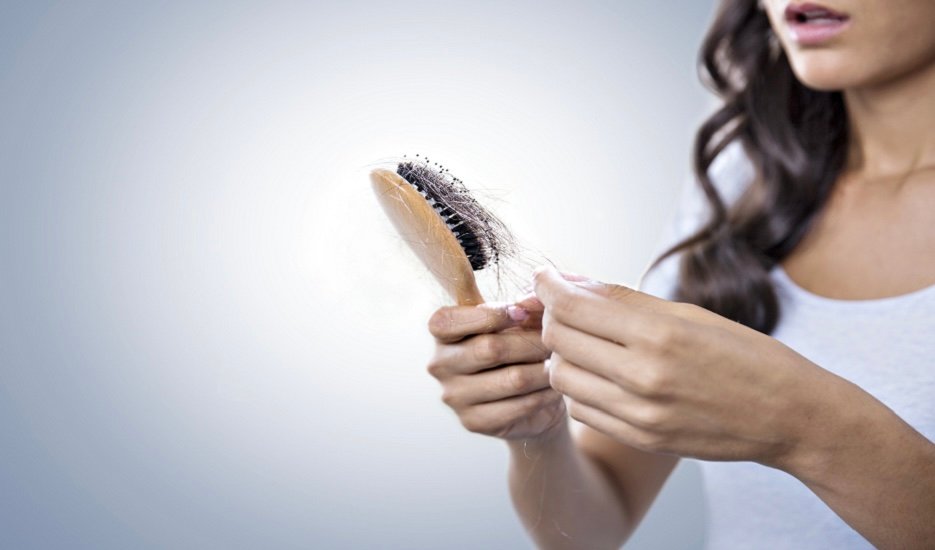
Every October, the same quiet panic: the shower drain is fuller, the brush needs cleaning twice as often, and you’re wondering if something’s wrong. Then spring comes and it happens again, milder. Is seasonal hair shedding actually a thing, or are you imagining it?
You’re not imagining it. Researchers have documented seasonal patterns in hair shedding for decades, and for most people it’s completely normal. I went through a full dermatologist workup over fall shedding once — everything was fine, and learning the science behind it saved me years of worry. Here’s what’s going on.
Why Hair Sheds More in Fall (and Sometimes Spring)
Human hair grows in cycles: growth (anagen), transition, and rest/shedding (telogen). At any time, about 10–15% of your scalp hair is in the shedding phase — that’s the normal 50–100 hairs a day everyone quotes. Seasonal shifts nudge more follicles into the shedding phase simultaneously.
The leading theory is evolutionary leftovers: like many mammals, humans may retain a faint seasonal molt cycle. Summer’s UV exposure is thought to push more hairs into the resting phase as a protective response, and those hairs then shed 2–3 months later — hello, October drain-clog. A large 2017 study analyzing Google search trends across multiple countries found searches for hair loss consistently peaked in late summer and fall in both hemispheres, which is elegant real-world confirmation.
Spring brings a smaller secondary peak for some people. The pattern varies individually — not everyone notices it, and that’s fine too. Not shedding seasonally doesn’t mean anything is wrong, just as shedding seasonally usually doesn’t either.
Is It Normal for Hair to Fall Out More in Certain Seasons? How Much Is Too Much
Normal daily shedding is 50–100 hairs; during a seasonal peak, it can temporarily run higher — visibly more in the brush and shower — for 4–8 weeks before settling back. The key word is temporary. Seasonal shedding resolves on its own as follicles cycle back into growth. Your ponytail might feel slightly thinner at the peak, but you shouldn’t see scalp showing through or develop bald patches.
Do a rough check: the pull test. Run your fingers through dry hair from roots to ends — if consistently more than 5–6 hairs come out per pull, or you’re seeing widening parts, a visibly thinner crown, or patchy loss, that’s beyond seasonal. Also watch for shedding that doesn’t ease after two months, or shedding paired with other symptoms like fatigue, weight changes, or irregular periods.
Keep perspective on the timeline: because of the 2–3 month lag in the hair cycle, the shedding you see in October reflects what happened to your follicles in July and August — sun, stress, illness, or diet changes from months ago. Blaming last week’s shampoo is almost always wrong; hair operates on a delay.
What's Worth Doing (and What's a Waste)
Worth doing: make sure you’re not deficient in the big three — iron, vitamin D, and protein. Low ferritin (stored iron) is one of the most common reversible causes of excess shedding in women, and it’s a simple blood test. Crash dieting is another classic trigger; hair is non-essential tissue, so your body ditches it first when calories or protein run low. Eat adequately, especially protein.
Gentle handling helps at the margins: fewer tight ponytails and buns (traction alopecia is real and preventable), less high heat, and not ripping through wet hair with a fine brush. These won’t stop seasonal shedding, but they reduce breakage that makes shedding look worse.
Mostly a waste: expensive ‘hair growth’ shampoos (they can’t affect follicles meaningfully in the 30 seconds they’re on your scalp), biotin megadoses (only helps true biotin deficiency, which is rare, and can distort lab test results), and panic-buying every supplement an influencer holds. Save the money; spend it on the blood test instead if you’re genuinely concerned.
When to See a Dermatologist
Book the appointment if: shedding is heavy and sustained beyond 2–3 months, you see scalp through your hair or a widening part, hair comes out in clumps or patches, your hairline is receding (in women especially, this warrants evaluation), or shedding follows a clear trigger like starting a new medication, major surgery, or severe illness — the last one is called telogen effluvium and is usually temporary but worth confirming.
A dermatologist can do what the internet can’t: examine follicles under magnification, order the right labs (thyroid, iron/ferritin, vitamin D, hormones), and distinguish seasonal shedding from female/male pattern loss, alopecia areata, or scarring conditions that need prompt treatment. Early evaluation of real hair loss genuinely improves outcomes.
Bring notes: when it started, photos of your part over time (surprisingly useful), recent illnesses or stressors, new medications, and diet changes. The American Academy of Dermatology on hair shedding has a solid overview of hair loss types that’ll make the appointment more productive. And remember — for classic fall shedding that eases by December, the most likely prescription is reassurance.
The Shedding Diary: Learning Your Normal
Since seasonal shedding is normal but excessive shedding isn’t, the most useful thing you can do is learn your personal baseline. For one month during a non-shedding season, note roughly how much hair is in the brush and shower drain weekly — a quick photo each Sunday works. That’s your baseline. Repeat during fall. Now you know your pattern instead of guessing, and next October’s increase won’t trigger panic because you’ll recognize it.
Track the context too: major stressors, illnesses, diet changes, new medications — with the 2–3 month hair-cycle lag in mind. ‘Started shedding in October’ plus ‘had COVID in July’ is a solved mystery, not a crisis. Dermatologists love patients who bring timelines; it shortens the diagnostic path dramatically.
Photograph your part and hairline every few months in consistent lighting — the same spot, same part. Human memory is terrible at gradual change; photos aren’t. Stable photos over a year of seasonal ups and downs is the most reassuring data you can own. And if the photos do show progressive thinning, you’ve caught it early, when treatments work best. Either way, the diary replaces worry with information.
The Takeaway
Yes, seasonal shedding — peaking in fall — is real and normal for most people. It runs its course in 4–8 weeks as follicles cycle back to growth.
See a dermatologist if it’s heavy beyond 2–3 months, patchy, or visibly thinning. Otherwise, check your iron and protein, handle hair gently, and let the season pass.