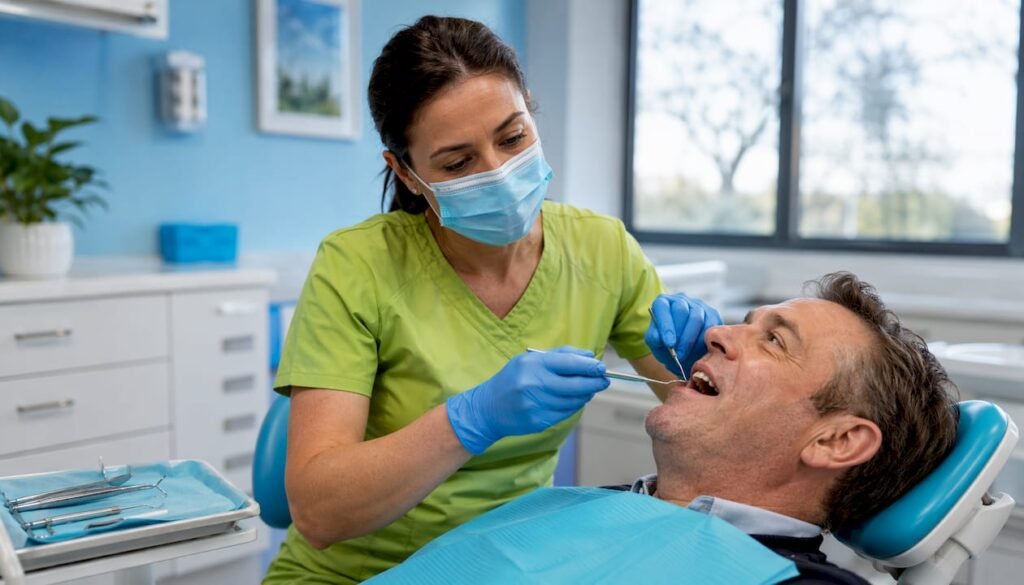
Dental Cleaning Cost Without Insurance: 2026 Prices
Dental Cleaning Cost Without Insurance: 2026 Prices
There’s a special kind of dread in needing dental care without dental insurance — you know you should go, but the unknown price tag keeps you postponing. Routine cleanings are the most basic preventive care there is, and skipping them is how $150 cleanings turn into $1,500 root canals.
I’ve paid out of pocket for dental cleanings during insurance gaps, and the prices were more manageable — and more variable — than I expected. Here’s what you’ll actually pay and how to keep it reasonable.
What a Cleaning Costs Out of Pocket
A standard adult cleaning (prophylaxis) without insurance typically runs $75 to $200 at most private practices in the US, with a national average hovering around $125–$150. That’s for the cleaning itself — the exam is often separate ($50–$150) and X-rays add another $25–$250 depending on type. A first visit with exam, X-rays, and cleaning commonly totals $200 to $400 all-in.
Geography swings prices hard. Major coastal cities run 30–50% above the national average; rural areas and the South tend to be cheaper. Chain dental clinics (Aspen Dental, Western Dental) often advertise new-patient cleaning specials — sometimes under $100 including X-rays — though upselling is common, so go in with a plan.
The big price jump comes with deep cleanings. If you have gum disease, the dentist may recommend scaling and root planing, which runs $150–$350 per quadrant — $600 to $1,400 for a full mouth. That’s a different procedure from a routine cleaning, and it’s worth a second opinion before committing, given the cost difference.
How Much Does a Dental Cleaning Cost Without Insurance? What Changes the Price
Several factors move your number. New-patient vs. existing: first visits cost more (exam + X-rays + cleaning bundled). Routine vs. deep cleaning: as above, gum disease multiplies the cost. Location: urban coastal practices charge the most. And practice type: private practices charge more than dental schools, community clinics, or chains — often with genuinely more personalized care, but the cleaning itself is comparable.
Frequency matters too. Most people need cleanings every six months; some with gum issues need every 3–4 months. Skipping cleanings doesn’t save money — tartar buildup below the gumline is exactly what progresses a $150 cleaning into a $1,200 deep cleaning. The cheapest dental care is the boring preventive kind, done on schedule.
Ask for an itemized estimate before you sit in the chair. Reputable offices provide this happily; hesitation is a red flag. And know that you can decline add-ons — fluoride treatments ($20–$50), for instance, are optional for most adults and heavily upsold.
Smart Ways to Pay Less
Dental schools are the best-kept secret in affordable dentistry: supervised students perform cleanings for $25–$75, and they’re thorough to the point of being slow (plan for a longer appointment). Community health centers offer sliding-scale fees based on income. Both options deliver quality care at a fraction of private prices.
Dental discount plans (not insurance — be clear on this) cost $100–$200/year and give 10–60% off at participating dentists. The math works if you need more than just cleanings; for cleanings alone, compare against the school/clinic prices first. Costco and similar warehouse dental partnerships sometimes offer member pricing worth checking.
Timing and negotiation help more than people think. Ask for the cash/self-pay discount — 5–15% is common. Schedule cleanings in slower months (dentists run specials in January and late summer). And if you need major work beyond the cleaning, get the treatment plan in writing and price-shop it at two other offices; dental prices for procedures vary wildly, and second opinions are normal. The ADA's MouthHealthy guide to paying for dental care has guidance on finding low-cost dental care by location.
Don't Skip It: The Real Cost of Waiting
Here’s the math that matters: $150 twice a year is $300 annually. One neglected cavity becomes a $200–$400 filling, then a $1,000–$1,500 root canal and crown if ignored further, then a $3,000+ implant if the tooth is lost. Prevention isn’t just healthier — it’s roughly ten times cheaper than the alternative.
Gum disease connects to more than your mouth, too — research links it to cardiovascular disease, diabetes complications, and adverse pregnancy outcomes. The mouth-body connection is real enough that physicians increasingly ask about dental care. Your twice-yearly cleaning is legitimately preventive healthcare, not cosmetic maintenance.
If money is truly tight, prioritize ruthlessly: the cleaning itself first (prevents the expensive stuff), then X-rays every few years unless something hurts, then everything else. A $50 dental-school cleaning beats a $0 skipped cleaning by an enormous margin.
Home Care Between Cleanings: Preventing the Expensive Stuff
The cleaning removes tartar; your daily habits determine how fast it comes back. The two-minute drill that prevents most problems: brush twice daily with fluoride toothpaste (electric brushes remove measurably more plaque — a $30 model beats any manual technique), floss or use interdental picks daily (the area between teeth is where most cavities and gum disease start, and brushing doesn’t reach it), and don’t rinse after brushing — spit, don’t rinse, so the fluoride keeps working.
The diet connection is direct: frequent sugary snacks and sipping sweetened drinks all day bathes teeth in acid repeatedly — it’s the frequency, not just the amount, that drives decay. Water (especially fluoridated tap water) between meals, cheese or nuts as snacks instead of candy, and not grazing constantly all protect enamel meaningfully.
Replace your brush head every 3 months, and don’t ignore the warning signs that mean ‘come in sooner than six months’: bleeding gums that don’t improve with two weeks of good flossing, persistent bad breath, tooth sensitivity to hot/cold, or any pain. Catching these early is the difference between a filling and a root canal — the most expensive sentence in dentistry is ‘it didn’t hurt, so I waited.’
The Takeaway
Expect $75–$200 for the cleaning itself, $200–$400 all-in for a first visit with exam and X-rays. Dental schools ($25–$75) and community clinics are the budget champions.
Go every six months without fail — it’s the cheapest dental care that exists, because it prevents everything expensive.