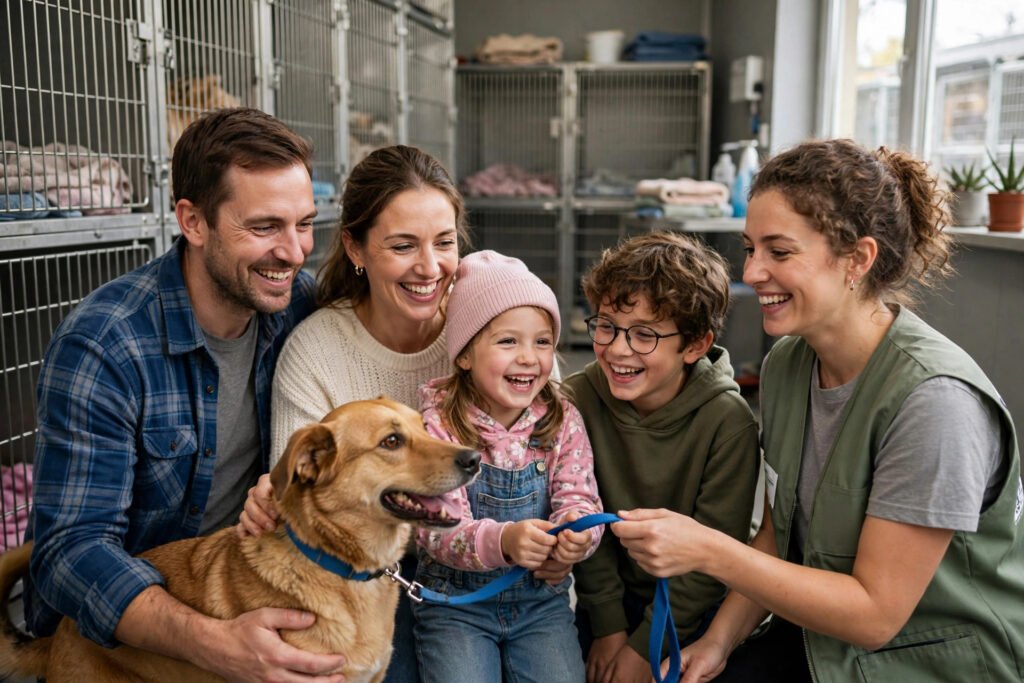
How to Adopt a Rescue Dog in Detroit: 2026 Step-by-Step
Every year, roughly 3 million dogs enter U.S. shelters, and the Detroit metro area — with the Michigan Humane Society, Detroit Animal Care and Control, and dozens of dedicated rescues — is one of the best places in the country to adopt. A rescue dog costs a fraction of a breeder puppy, comes vaccinated and spayed or neutered, and quite literally gets a second chance because you showed up. But adoption is a process, not a transaction, and knowing how it works in Detroit specifically saves you time and gets the right dog home faster.
This guide walks through every step of adopting a rescue dog in Detroit: where to look, what the application and home-check process involves, real costs, how to choose the right dog for your life, and how to set the first 30 days up for success.
Where to Adopt in the Detroit Area
Michigan Humane Society
The Michigan Humane Society is the region’s largest animal welfare organization, with adoption centers in Detroit, Westland, and Rochester Hills. Their dogs come with spay/neuter, vaccinations, microchipping, and a behavioral assessment. Adoption counselors match dogs to lifestyles rather than just handing you whoever is cutest — take their guidance seriously, because they know these dogs.
Detroit Animal Care and Control
DACC is the city’s municipal shelter, and it is chronically overcrowded — which means adopting here quite literally saves a life that may be out of time. Fees are the lowest in the region, dogs are vaccinated and altered, and the selection skews toward wonderful bully breeds and mixes that get overlooked. If you want your adoption to have maximum impact, start here.
Breed-specific and independent rescues
Detroit has excellent independent rescues: Detroit Dog Rescue, Rebel Dogs Detroit, and dozens of breed-specific groups. These are foster-based, meaning dogs live in homes — so you get detailed intel on house training, cat compatibility, and personality. The trade-off is a longer process: foster-based rescues are run by volunteers and move at volunteer speed.
The Adoption Process, Step by Step
Most Detroit-area organizations follow a similar flow. First, browse available dogs online — Petfinder and the shelters’ own sites list current residents with photos and bios. Second, submit an application covering your housing, work schedule, pet history, and vet references. Be thorough and honest; applications are not tests, they are matching tools.
Third, meet the dog — often multiple visits. Bring everyone who lives in the home, including current dogs, for a proper introduction. Fourth, many rescues do a home check or virtual home tour: they are looking for secure fencing (if you claimed a yard), no obvious hazards, and evidence you actually live where you said. Finally, sign the adoption contract and pay the fee. The whole process takes anywhere from same-day at DACC to two to four weeks at foster-based rescues.
What adoption fees cover
Detroit-area adoption fees typically run $150 to $400 — a fraction of the $1,500 to $3,000 a breeder puppy costs before its first vet visit. The fee covers spay/neuter ($200+ value alone), vaccinations, microchip, and often a starter bag of food and a free first vet exam. It is not a purchase price; it is cost recovery that funds the next rescue.
Choosing the Right Rescue Dog
Match energy to lifestyle, not looks
The number-one adoption mistake is choosing by appearance. A high-energy cattle dog mix in a downtown apartment with an owner who works 12-hour days is a recipe for a returned dog — and returns are devastating for the animal. Be brutally honest about your exercise capacity, work hours, and experience level, and let counselors steer you. The scruffy 4-year-old couch potato is often a far better fit than the stunning 8-month-old athlete.
Ask the right questions
How is the dog with cats, kids, and strangers? House-trained? Crate-trained? Separation anxiety? Resource guarding? Bite history? Good rescues answer directly; evasive answers are a red flag. For foster-based dogs, ask the foster for the unvarnished daily reality — fosters want successful permanent placements and will tell you the truth.
Consider the overlooked dogs
Senior dogs, black dogs, bully breeds, and dogs with manageable medical needs wait longest and are often the easiest, most grateful companions. A 7-year-old dog is past the destructive phase, usually house-trained, and has years of love left. If your lifestyle fits, adopting the dog nobody wants is the most rewarding choice you can make.
The First 30 Days: The 3-3-3 Rule
Rescue professionals use the 3-3-3 rule: 3 days to decompress (your new dog may be shut down, scared, or not eating — normal), 3 weeks to learn routines (personality emerges, testing boundaries begins), 3 months to feel home (the real dog appears). Do not judge the adoption in week one.
Set up for success: establish a consistent feeding, walking, and sleep schedule immediately. Limit visitors and excitement for the first two weeks. Start training from day one with positive reinforcement — rescue dogs thrive on predictable structure. And give grace: accidents, chewing, and anxiety in the first month are adjustment, not character flaws. Most “problem behaviors” resolve once the dog feels safe.
Budget for the transition too. Beyond the adoption fee, plan for initial supplies ($200 to $400), a vet wellness visit, and possibly training classes. New rescue dogs are also gloriously messy — budgeting professional carpet cleaning for the adjustment period is realistic planning, not pessimism. Understanding whether a pet fits a busy lifestyle before adopting prevents the heartbreak of a mismatch — rescue dogs deserve adopters who did the math first.
Detroit-Specific Tips
Detroit’s winters are a real factor: short-coated rescue dogs — and the city has many pit mixes with thin coats — need jackets and paw protection from November through March. The city’s dog licensing runs through Detroit Animal Care and Control; license promptly. And take advantage of Detroit’s growing dog infrastructure: new dog parks, pet-friendly patios along the Riverwalk, and training resources through the Michigan Humane Society’s behavior programs.
If you are renting, confirm your landlord’s breed and weight policies before falling in love — Detroit landlords vary enormously, and nothing is sadder than an adoption blocked at the lease. Get pet policy approval in writing before you apply.
Conclusion
Adopting a rescue dog in Detroit means choosing from the Michigan Humane Society, Detroit Animal Care and Control, or the city’s excellent foster-based rescues; completing an honest application and home check; paying $150 to $400 that covers altering, vaccines, and microchipping; and matching the dog’s energy to your real life — not your aspirational one. Follow the 3-3-3 rule through the first months, and you will understand what every rescue adopter learns: you did not just get a dog. You got the most grateful companion you will ever know.
Frequently Asked Questions
How much does it cost to adopt a dog in Detroit?
Typically $150 to $400 depending on the organization and the dog’s age — puppies cost more, seniors often less. The fee covers spay/neuter, vaccinations, and microchipping, worth far more than the fee itself.
How long does the adoption process take?
Same-day to a few days at municipal shelters like DACC; one to four weeks at foster-based rescues with home checks. Having your vet reference and landlord approval ready speeds everything up.
Can I adopt if I rent an apartment?
Yes, but get written landlord approval first, including any breed or weight restrictions. Many Detroit rescues require landlord confirmation before approving an application.
Are rescue dogs harder to train?
Not inherently. Many are past the hardest puppy phases and house-train quickly with consistency. Some need patience for anxiety or gaps in socialization, but positive-reinforcement training works on rescue dogs just as well as any dog.
What is the 3-3-3 rule for rescue dogs?
Three days to decompress, three weeks to learn your routines, three months to fully settle in and show their true personality. Do not evaluate the adoption’s success before the three-month mark.