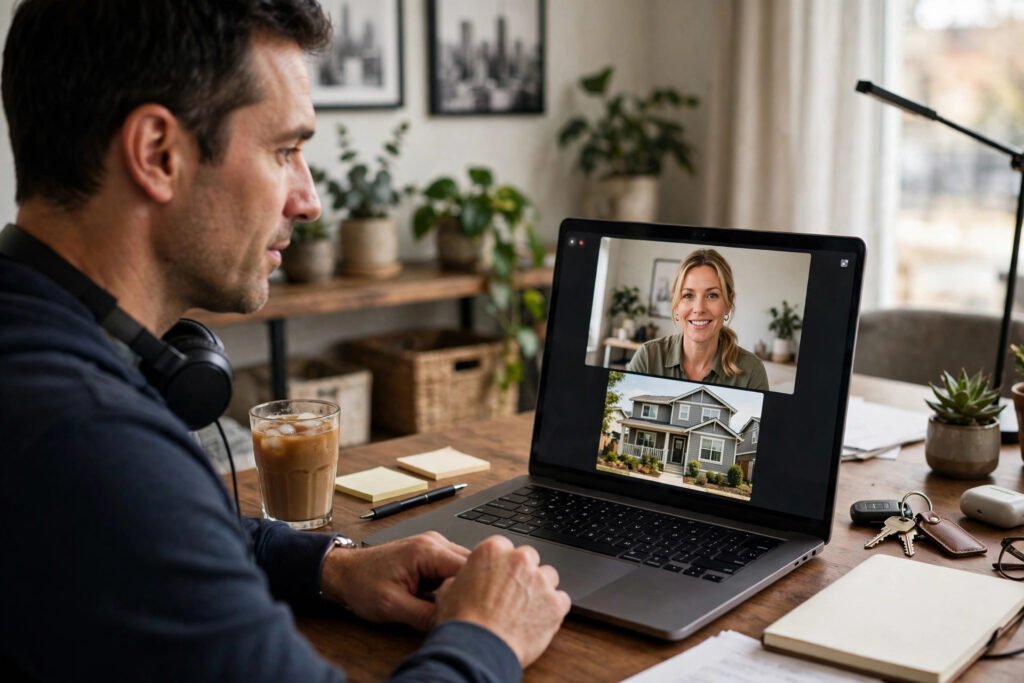
How to Invest in Midwest Rental Properties Remotely
The Midwest is America’s cash-flow capital for rental real estate. In Cleveland, Detroit, Indianapolis, Toledo, and dozens of smaller cities, purchase prices are low enough that rents produce the kind of cash-on-cash returns coastal investors can only dream about — 10–15%+ on well-bought properties. That math has attracted a wave of remote investors buying from California, New York, and overseas. Some build genuine wealth. Others buy expensive lessons. The difference is almost entirely about systems: team, market selection, and underwriting discipline.
This guide explains how to invest in Midwest rental properties remotely: choosing markets, building a boots-on-the-ground team, analyzing deals from afar, and managing without losing your shirt.
Why the Midwest Works for Remote Investors
The investment thesis is simple: price-to-rent ratios. A $120,000 duplex in Cleveland renting for $1,800/month total produces economics that a $900,000 duplex in San Diego cannot touch. Lower prices mean lower down payments ($25,000–$40,000 gets you in), meaningful cash flow from day one, and less competition from institutional buyers who focus on Sun Belt growth markets. The Midwest also offers landlord-friendly or balanced legal environments in many states (Indiana, Ohio, and Michigan are all workable), diverse economies in the larger metros, and deep inventories of the small multi-family properties that cash-flow best.
The honest caveats: appreciation is slower than coastal or Sun Belt markets (you are buying cash flow, not growth), some neighborhoods in legacy cities have real crime and vacancy challenges (block-by-block diligence is mandatory), and property taxes in parts of Ohio, Illinois, and Michigan are high enough to dent returns. Remote investing amplifies both the opportunity and the risk — which is why the team matters more than the market. The Census Bureau’s housing data helps you compare markets on rents, vacancies, and incomes before you commit.
Choosing Your Market (and Neighborhood)
Do not buy “the Midwest” — buy a specific neighborhood in a specific metro. Evaluate metros on: population stability (growing or stable beats shrinking — check Census trends), economic diversity (multiple employers and industries, not one factory), landlord-tenant law (know eviction timelines and regulations before you buy), property taxes (effective rates vary wildly — 2.5%+ in parts of Ohio and Illinois changes every calculation), and existing investor infrastructure (property managers, investor-friendly agents, and contractors who work with out-of-state owners).
Strong remote-investor metros include Cleveland (cash flow king, but hyper-local neighborhood variance), Indianapolis (stable, landlord-friendly Indiana law), Kansas City (balanced growth and cash flow), Detroit (highest returns and highest risk — block-level diligence essential), and Toledo/Dayton (deep value, smaller scale). Within any metro, the neighborhood makes or breaks the investment: class B/C areas with stable working-class tenants outperform both war zones (vacancy and vandalism eat returns) and class A areas (prices too high for cash flow). Never buy a neighborhood you have not researched block by block — Google Street View, crime maps, and local investor forums are your remote scouting tools.
Building Your Remote Team (In Order)
Hire in this sequence, because each validates the next: 1. Investor-friendly real estate agent. Not a regular residential agent — someone who owns rentals, understands cap rates and the 1% rule, and will tell you when a deal is bad. They are your eyes; interview several. 2. Property manager. For remote investing, this hire is non-optional — budget 8–10% of rent plus leasing fees. Vet ruthlessly: how many doors, what markets, eviction rates, maintenance markup policies, owner references (call them). A bad property manager destroys remote investments faster than anything. Our checklist for evaluating older homes covers the due-diligence side — the principles apply in every market.
3. Contractor/handyman. Your property manager usually coordinates repairs, but having an independent contractor for second opinions on big jobs prevents markup abuse. 4. Lender. Investor loans (20–25% down, slightly higher rates) from lenders experienced with out-of-state buyers; local community banks and credit unions in your target market often offer the best terms. 5. Insurance agent, CPA, and attorney. Landlord insurance (not homeowner’s), a CPA who understands real estate depreciation and cost segregation, and a landlord-tenant attorney on call. Assemble the full team before you buy — scrambling after closing is how remote investors get picked apart.
Analyzing Deals From a Distance
Remote underwriting must be more conservative than local, because surprises cost more from 2,000 miles away. The numbers: demand the 1% rule as a starting filter (monthly rent ≈ 1% of all-in price), then full cash-flow analysis: PITI + vacancy (8–10% — use higher for C-class), maintenance (8–10% of rent for older Midwest stock), capex reserves ($200–$300/month per unit for roof/HVAC/plumbing), property management (10%), and insurance. If it does not cash-flow with all of that, it is not a deal.
Remote due diligence: professional inspection (non-negotiable — be on video call during it), sewer scope on older properties (a $5,000 sewer line surprise is a rite of passage you want to skip), verification of rent rolls and leases (estoppel certificates from tenants), and a property manager’s rental assessment before you close (they will manage it — get their honest opinion on rent and tenant quality). Never skip the inspection because the numbers look good. And understand what technology can and cannot do for remote ownership — our piece on AI’s real impact on real estate separates the useful tools from the hype. BiggerPockets’ calculators and forums are the remote investor’s daily toolkit.
Managing Remotely: Systems Over Hope
Remote management runs on systems: monthly owner statements reviewed line by line (question every charge — markup on maintenance is the industry’s quiet profit center), quarterly property reviews with your manager (vacancy, delinquency, maintenance trends), annual in-person visits (walk every property, meet the manager face to face — the trip pays for itself in accountability), and reserve funds ($5,000–$10,000 per property liquid for emergencies; remote owners cannot DIY a crisis).
Set communication expectations in writing: response times, approval thresholds for repairs (e.g., manager approves under $500, you approve above), and eviction protocols. The investors who thrive remotely treat it as a business with KPIs; the ones who fail treat it as passive income and check statements never. It is not passive — it is leveraged, which is better, but only with attention.
The Bottom Line
Remote Midwest rental investing works when you buy cash flow in stable, researched neighborhoods, build the team before the portfolio (agent, property manager, contractor, lender, CPA), underwrite conservatively from a distance, and manage through systems and accountability. It fails when investors chase the cheapest properties in the roughest blocks with no team and no reserves. The Midwest rewards the disciplined remote buyer richly — be that buyer.
Frequently Asked Questions
What is a good cash-on-cash return for Midwest rentals?
Well-bought Midwest rentals typically target 10–15%+ cash-on-cash return (annual cash flow divided by cash invested). Below 8%, the risk and effort rarely justify choosing real estate over simpler investments.
Do I need a property manager for remote investing?
Yes — it is effectively mandatory. Budget 8–10% of rent plus leasing fees. A great property manager makes remote investing work; a bad one destroys it. Vet with owner references and market-specific questions.
Which Midwest cities are best for rental investing?
Cleveland, Indianapolis, Kansas City, Detroit, and Toledo all offer strong cash-flow fundamentals with different risk profiles. Neighborhood selection within the metro matters more than the metro itself — diligence must be block-level.
How much money do I need to start remote investing?
Typically $30,000–$60,000 all-in for a cash-flowing single-family or small multi-family: 20–25% down payment plus closing costs and reserves. Never invest your last dollar — keep 6 months of expenses per property liquid.