Is a Popcorn Machine Worth It for Home Movie Nights?
Is a Popcorn Machine Worth It for Home Movie Nights?
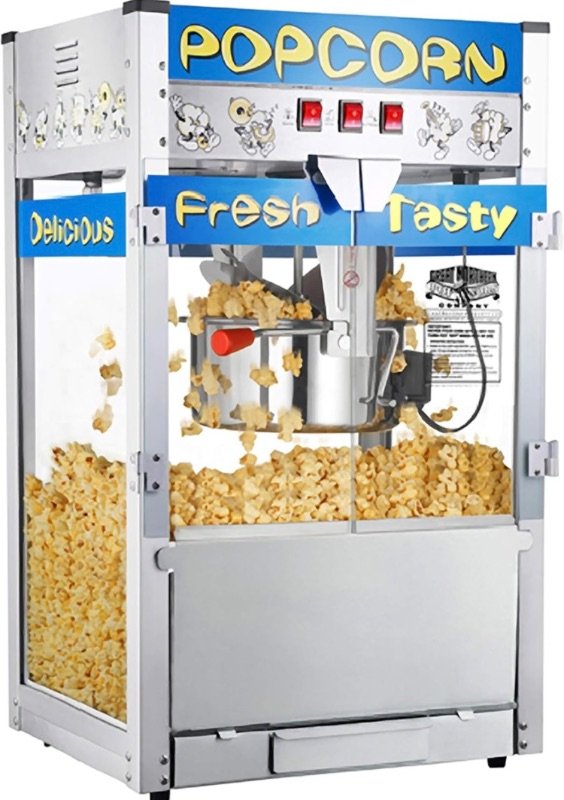
Is it worth buying a popcorn machine for home movie nights? If you do movie night weekly, yes — a $50-80 cart-style popper pays for itself in a year versus microwave bags, and the theater-style popcorn genuinely tastes better. If movie night is monthly or less, no — your stovetop or an air popper handles it fine. I’ve owned a cart-style machine for three years and used it probably 100 times. Here’s the honest math, the types, and the stovetop method that beats them all for casual use.
The Cost Math
- Cart-style popper: $50-80 (4-8 oz kettle). The classic red “theater” look.
- Stovetop popper (Whirley-Pop): $30-40. The enthusiast’s choice.
- Air popper: $20-30. Cheapest, healthiest, least “theater” taste.
- Microwave bags: ~$0.50-0.75 per bag.
- Bulk kernels: ~$0.15-0.25 per batch-equivalent. A $8 jug of kernels makes 50+ batches.
Weekly movie night: machine ($65) + kernels/oil ($20/year) vs. microwave bags ($35/year). The machine breaks even in under two years — and the popcorn is dramatically better. Monthly movie night: the machine never pays off financially; it’s purely a fun purchase (which is also valid).
Types Compared
- Cart-style kettle popper ($50-80): The full theater experience — sight, sound, smell. Kids go crazy for it. Downsides: bulky (needs storage), more cleanup, uses oil (that’s the flavor).
- Whirley-Pop stovetop ($30-40): Makes the best-tasting popcorn of any method — the stirring crank prevents burning and the oil contact maximizes flavor. Compact storage. The serious choice.
- Air popper ($20-30): Fastest, easiest cleanup, no oil (healthiest). But air-popped corn is drier and toppings don’t stick — it’s the least satisfying texturally.
- Microwave ($0, you own one): Convenient but the worst value and the most additives. Fine for occasional use.
The Stovetop Method (Free, Excellent)
No gadget needed — a pot with a lid makes great popcorn:
- Heat 3 tbsp oil (coconut oil = theater taste) in a large pot over medium-high.
- Drop in 3 test kernels; when they pop, add 1/2 cup kernels in a single layer.
- Cover, shake the pot gently, listen — when popping slows to 2-3 seconds between pops, remove from heat.
- Salt immediately (salt sticks to hot oil-coated corn). Melted butter if you’re feeling it.
This method costs nothing, tastes 90% as good as the machine, and takes 5 minutes. For monthly movie nights, it’s the answer.
The Theater-Salt Secret
The reason home popcorn never tastes like theater popcorn: Flavacol — the fine, orange-ish seasoning salt theaters use ($8 for a carton that lasts years). It’s not butter; it’s salt engineered to stick to popcorn. Coconut oil + Flavacol = the exact theater taste. This $8 purchase upgrades every popcorn method above. (Butter-flavored coconut oil, another $8, completes the illusion.)
When the Machine Is Worth It
- Weekly movie nights (especially with kids) — the ritual and theater factor justify it.
- Parties and events — a popper is a backyard movie night centerpiece.
- You love the theater experience — some purchases are about joy, not ROI. That’s fine.
When it’s not: monthly-or-less movie nights, tiny kitchens with no storage, or anyone who’d rather spend the $65 on more movies to watch. Pair your popcorn setup with drive-in nostalgia for the full experience.
The Takeaway
A popcorn machine is worth it for weekly movie-night households — $50-80 pays for itself in better popcorn and theater vibes within a year or two. For everyone else, the stovetop pot method (free) or a Whirley-Pop ($35) delivers 90% of the experience. Either way, buy Flavacol ($8) — it’s the actual secret to theater taste. Background: the science and history of popcorn.
Frequently Asked Questions
What kind of oil makes the best popcorn?
Coconut oil — it’s what movie theaters use, and it’s responsible for a huge part of the “theater taste.” It has a high smoke point and a subtle sweetness that neutral oils lack. Refined coconut oil (no coconut flavor) is the standard choice. Runner-up: peanut oil (high smoke point, neutral). Avoid olive oil (low smoke point, wrong flavor) and butter as the popping oil (burns) — add butter after popping instead. And whatever the oil, Flavacol seasoning salt matters more than the oil choice.
Why does my popcorn burn on the stovetop?
Three causes: heat too high (medium-high max — the kernels need time to heat through before popping), not shaking (kernels in contact with the hot spot scorch — shake every 15-20 seconds), and leaving it on heat too long after popping slows (residual heat finishes the job; the pot stays hot). The Whirley-Pop solves all three with its stirring crank, which is why enthusiasts swear by it. Also: old kernels pop poorly and scorch more — if your kernels are over a year old, replace them.
How do I get butter to stick to popcorn evenly?
Melt the butter fully (clarified/ghee works best — no water to make things soggy), drizzle it slowly over the popcorn while tossing continuously in a big bowl. The tossing matters more than the butter: drizzle a little, toss, repeat. For maximum coverage, use a butter mister or spray. And salt BEFORE butter — dry salt sticks to the oil on hot popcorn; butter first creates a barrier. Layer: pop → salt immediately → toss with melted butter → toss again. Restaurant-style, every kernel coated.
Is popcorn actually healthy?
Plain air-popped popcorn is genuinely healthy — whole grain, high fiber (4g per 3 cups), low calorie (~100 calories for 3 cups), with antioxidants. It becomes unhealthy through preparation: movie-theater popcorn can hit 1,000+ calories with butter-flavored oil and salt, and microwave bags add questionable flavorings. The health ranking: air-popped plain (best) → stovetop with light oil → kettle popper with coconut oil → theater-style loaded → microwave bags (worst, mostly due to additives). Season with nutritional yeast, spices, or a little parmesan for flavor without the calorie bomb.
How do I clean a popcorn machine?
Clean the kettle after every use — this is the maintenance step people skip, and old oil buildup is what makes machines look and taste gross within months. While the kettle is still slightly warm, wipe it out with paper towels (never submerge it in water or put it in the dishwasher — it’s electrical). Wash the glass panels and collection trays with warm soapy water; the base unit just needs a wipe-down. For deep cleaning, heat water with a splash of vinegar in the kettle to cut carbonized oil, then wipe clean. Total time: five minutes. A well-maintained machine lasts a decade; a neglected one tastes rancid within a year. The five-minute wipe-down after each movie night is the whole secret.