How to Make Vegetables Taste Good to Your Kids
How to Make Vegetables Taste Good to Your Kids
Figuring out how to make vegetables taste good to your kids is one of parenting’s great puzzles — and the answer is less about hiding vegetables and more about cooking them well. Here’s the uncomfortable truth: most kids don’t hate vegetables, they hate badly cooked vegetables. Boiled-to-mush broccoli would make anyone push the plate away. I’ve fed vegetable-skeptical kids for years, and the strategies that work aren’t tricks — they’re just good cooking plus a little psychology. Here are seven approaches that actually work.
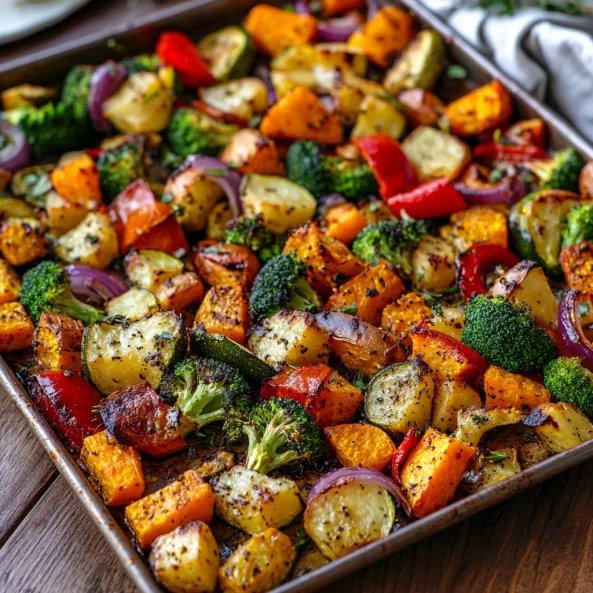
1. Roast Them (The Technique That Converts Skeptics)
Roasting transforms vegetables the way nothing else does. High heat (425°F) caramelizes natural sugars, creating crispy, sweet, nutty flavors that boiling and steaming never achieve. Toss broccoli, carrots, cauliflower, Brussels sprouts, or sweet potatoes with olive oil and salt, roast 20-25 minutes until the edges char slightly. Kids who “hate” broccoli routinely devour roasted broccoli. This single technique converts more vegetable skeptics than everything else combined. If you do one thing from this article, do this.
2. Dips Make Everything Better
Ranch, hummus, peanut butter, ketchup — the dip is the delivery vehicle. Kids who won’t touch a raw carrot will demolish carrots with ranch. This isn’t cheating; it’s how humans eat. Adults do the same thing with chips and guacamole. Keep 2-3 dips in rotation and put out a veggie-and-dip plate before dinner when kids are hungriest — the “appetizer effect” means they fill up on vegetables before the main even arrives.
3. Involve Them in Cooking
Kids eat what they make. A child who helped wash, tear, and season the green beans has ownership — rejecting them feels like rejecting their own work. Age-appropriate jobs: washing produce, tearing lettuce, shaking the salad container, brushing oil on vegetables before roasting, arranging veggie faces on pizza. The investment is 10 extra minutes of messy cooking; the payoff is a kid who asks for seconds of “their” dish.
4. The No-Pressure Method (Backed by Research)
Child feeding research consistently shows that pressure backfires — forcing bites, bribing with dessert, and “clean your plate” rules make kids like vegetables LESS, not more. The alternative: serve vegetables family-style alongside everything else, eat them yourself with visible enjoyment, and say nothing about whether the kids eat them. Repeated neutral exposure (10-15 times) is what builds acceptance. It’s slower than tricks, but it builds genuine preference instead of compliance. The Harvard Kids’ Healthy Eating Plate is an excellent evidence-based reference for family nutrition.
5. Make Them Fun (Without Being Patronizing)
- Veggie faces on pizza, plates, and wraps — bell pepper smiles, cucumber eyes, carrot noses.
- Rainbow challenges: “Can you eat something red, green, and orange today?” Gamification works.
- Grow something: Cherry tomatoes or herbs on a windowsill. Kids eat what they grow with shocking enthusiasm.
- Farmers market trips: Let them pick one new vegetable to try each visit. Autonomy drives acceptance.
6. Strategic Hiding (Use Sparingly)
Blending spinach into smoothies, cauliflower into mac and cheese, or zucchini into muffins does get nutrients in — and there’s nothing wrong with it. But hiding shouldn’t be the whole strategy, because kids never learn to like the actual vegetable. Use hidden veggies as a supplement to, not a replacement for, serving visible vegetables. The goal is a kid who eats broccoli knowing it’s broccoli.
7. Season Like You Mean It
Adults season their vegetables; kids get them plain, and then we wonder why they prefer the seasoned chicken nuggets. Salt, butter, garlic, parmesan, lemon — vegetables deserve the same treatment as everything else on the plate. A little good olive oil and flaky salt transforms steamed green beans. Stop serving punishment vegetables and start serving delicious ones.
The Takeaway
Kids like vegetables that taste good: roast them for caramelized flavor, serve dips, involve kids in cooking, drop the pressure, and season properly. It takes repeated exposure — not tricks — to build real preference. Be patient, eat your own vegetables with enthusiasm, and trust the process. For older kids, cooking challenges work even better than these tactics.
Frequently Asked Questions
What if my kid gags on vegetables?
True gagging (not just dramatic dislike) can indicate sensory issues or a genuine aversion — don’t force it. Try different textures first: a kid who gags on mushy cooked carrots might love raw crunchy ones, or vice versa. Roasting changes texture dramatically, so a “gag” vegetable in one preparation may be fine in another. If gagging is frequent across many foods (not just vegetables), mention it to your pediatrician — feeding therapy exists and works well. For most kids, though, it’s a phase tied to specific preparations, not all vegetables forever.
Should I require “one bite” of everything?
The research is mixed. The “one bite rule” is gentler than force-feeding and does increase exposure, which builds familiarity. But for strong-willed kids, even one required bite becomes a battleground that poisons the whole meal. A middle path many dietitians recommend: encourage tasting (“you can spit it out if you don’t like it” — the permission to reject paradoxically increases trying), but don’t mandate it. The key insight: the goal is a relaxed table where vegetables are normal, not a courtroom where bites are negotiated.
Are pouches and veggie snacks as good as real vegetables?
Not really. Veggie pouches, straws, and puffs typically contain minimal actual vegetable — they’re mostly fruit puree, starch, and marketing. A “veggie straw” has about as much vegetable as a potato chip has potato. They’re fine as snacks, but they don’t teach kids to eat vegetables or provide the fiber of whole ones. Whole vegetables — even just a few — beat any processed “veggie” product nutritionally. Don’t let the packaging do your parenting.
How many vegetables should kids eat per day?
USDA guidelines suggest 1-2.5 cups daily depending on age (1 cup for toddlers, 2-2.5 for teens). But don’t fixate on the number — focus on variety across the week and a relaxed attitude. A kid who happily eats roasted broccoli, carrots with hummus, and corn is doing great even if the cups don’t perfectly add up. And remember: fruit counts toward produce too. The families who stress least about exact servings tend to have kids who eat the most vegetables — the pressure research cuts both ways.